Leather vs. Nylon Dog Collar: What Really Lasts Longer?
Quick answer:
If you want a collar that keeps shape, handles repeated pulling and still looks respectable after months of real use, leather usually lasts longer than nylon. Nylon can work for lighter duty, wet conditions or as a backup, but under daily strain and stronger dogs, leather tends to stay solid longer.
Leather vs. nylon dog collar: what really lasts longer?
In real life, durability is not just about whether the collar snaps. It is about what happens after the hundredth walk, the muddy field, the sudden squirrel launch and the moment your dog throws his whole chest into the lead. A collar can survive on paper and still become annoying, twisty and unreliable in practice. That is where leather and nylon start living in different leagues.
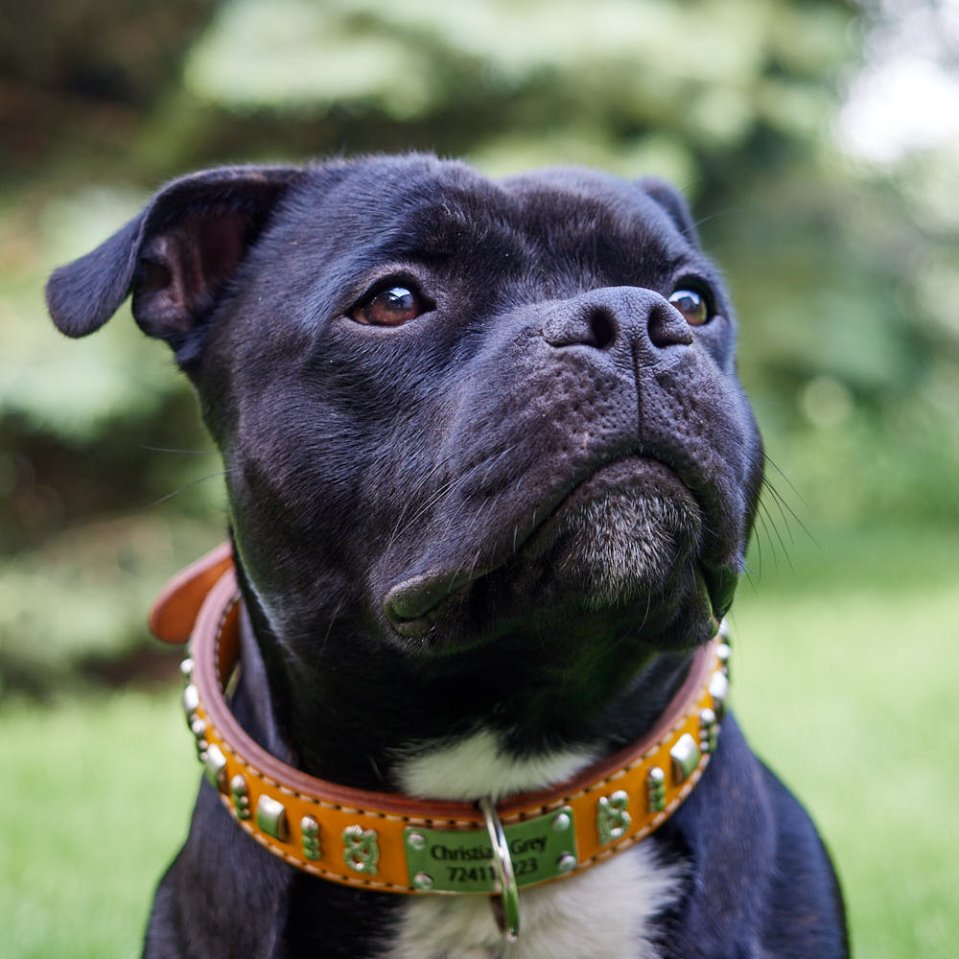
Leather usually lasts longer because it keeps its structure. It does not go limp as quickly, it does not start looking tired after routine friction, and it tends to stay steadier on the neck when the dog pulls properly. Nylon can look fine at first, but once it softens, frays or starts folding over itself, the problem is no longer cosmetic. The collar moves more, control gets messier, and the pressure stops feeling clean.
If you are comparing options for everyday use, a classic leather dog collar for everyday control makes more sense than a collar chosen only because it looked practical on day one. And if you are still deciding whether the issue is material or the dog’s response on the lead, it helps to also read why some dogs hate collars and how to help them love them.
Why does leather usually keep going longer?
Because good leather keeps form under repeated use. That sounds simple, but it changes everything. When the collar keeps its line, it stays more predictable on the dog. It twists less, flaps less and gives you a clearer feel through the lead.
You notice the difference fast. Five-second test: when the dog suddenly hits the end of the lead, does the collar stay stable, or does it roll, fold and cut into one line? If it rotates halfway around the neck or collapses into a narrow strip under pressure, that is not just ugly. That is poorer handling.
Where does nylon start losing points?
Nylon often loses on shape before it loses on pure survival. It may still be technically “fine,” yet already feel worse in use. The edges start looking tired, the body softens, the collar shifts more than it should, and what felt light in the shop starts feeling flimsy outside.
This is the classic trap: nice on the shelf, annoying in motion. Good on a product photo, weaker in real traffic. A dog collar should not become a wrinkled strap the moment the walk gets interesting.
Is nylon always the wrong choice?
No. Nylon still makes sense for lighter dogs, occasional use, messy water situations or as a spare collar. If your dog barely pulls and you need something simple for a short phase, nylon can do the job.
But if you already know the dog leans hard, surges forward or turns every walk into a negotiation, durability is no longer about “good enough.” That is where leather starts paying for itself.
Decision flow: what should you choose?
- If your dog walks calmly and the collar is only for light everyday use: nylon can work, but leather will still age better.
- If your dog pulls, lunges or braces into the lead: choose a structured leather option first.
- If your dog needs clearer communication without choking: move toward a half check collar built for control without choking.
- If you are not sure whether the problem is the type or the feel: solve structure, fit and material before blaming the whole category.
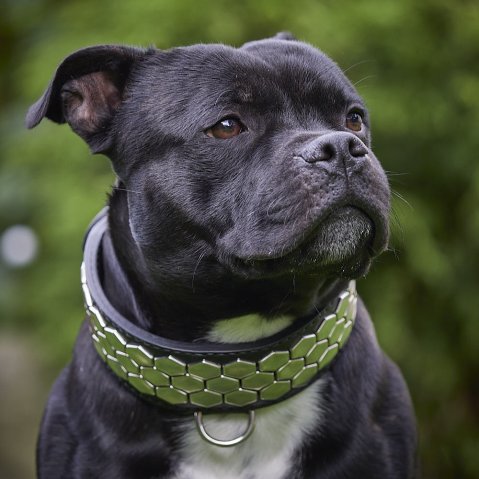
For dogs that need classic daily control with a clean, stable shape, a model like Simply Stunning classic collar fits the “less fuss, more function” camp. If the dog tends to lean into the lead and you need a faster, cleaner response, Dapper Half Check Collar is the more logical next step.
Common mistakes
Choosing by first impression only. Some collars look sleek until real use begins. Then the weak structure shows up fast.
Ignoring how the collar behaves under pull. If it turns 90 degrees, bunches up or slides around the neck, that is a functional issue, not a style preference.
Assuming all “strong-looking” collars are equally durable. Material, structure and how the collar keeps its shape matter more than visual bulk.
Expert view
From a practical gear point of view, the winner is not the collar that merely survives, but the collar that still works properly after repeated stress. That is why leather keeps coming up in serious everyday use. It does not just hold. It holds its manners. And that matters when the dog forgets his.
If you want to go one step deeper into longevity, read why leather ages like whiskey and plastic ages like trash. And if you want to avoid paying for fake leather dressed up as the real thing, continue with how to spot real leather from fake.
Who this solution suits
- Dogs that pull hard enough to expose weak gear fast.
- Owners who want one proper collar instead of a rotating pile of compromises.
- People who care about control, not just appearance.
- Anyone tired of collars that look done before the dog is.
Final summary
Leather usually lasts longer because it keeps shape, handles pressure better and ages in a way that still makes sense after real use. Nylon can work for light duty or wet backup use, but under everyday pulling it often shows its limits sooner. If your dog is strong, active or full of bright bad ideas, leather is usually the smarter long-term call. Pretty is easy. Useful after six months is the real test.
Frequently asked questions
Is a leather dog collar more durable than nylon?
Usually yes, especially for stronger dogs and repeated daily use.
Does nylon wear out faster?
It often loses shape, softens or frays sooner, even before it fully fails.
Which collar is better for a dog that pulls?
A structured leather collar is usually better, and a half check can help when clearer control is needed.
Is nylon better near water?
It can be practical as a backup in very wet situations.
How do I know the collar is not coping well?
If it twists, folds, shifts too much or feels messy under tension, it is not doing the job cleanly.
Featured Dogs