How long should a dog collar last?
Short answer:
A good dog collar should last years, not months—but only if it’s built right and treated right. Material, construction, your dog’s strength, and daily wear all play a role. A solid leather collar holds up far better than cheap alternatives, especially when you give it a bit of care and protect it with wax.
How long should a dog collar last?
A dog collar should last anywhere from several months to multiple years, depending on quality and use. Strong leather collars designed for everyday life tend to last much longer than softer, cheaper options that lose shape or fail under pressure. With proper care, especially using leather wax, lifespan increases noticeably.
What has the biggest impact on collar lifespan?
Mainly material, build quality, width, and how hard your dog pushes it.
A relaxed dog strolling calmly won’t stress a collar the same way as a dog that hits the leash like a freight train. That’s where reality kicks in. Solid leather pieces like Hot Shot or Renegade are made for that kind of everyday pressure.
Do leather collars actually last longer?
Yes—if they’re made properly, they outlast most cheaper alternatives.
Leather doesn’t break down the same way. It adapts, softens, and keeps its structure. Cheap collars tend to twist, stretch, or fall apart fairly quickly. A solid leather collar keeps doing its job long after the first impressions fade. You won’t notice it on day one—but you will after a few months of real walks.
How can you tell a collar is worn out?
Cracks, stretched holes, weak spots, and loose hardware are clear signs.
Your dog often reacts first. More scratching, head shaking, or just looking uncomfortable. Then you feel it—soft where it shouldn’t be, worn near the buckle, losing shape. That’s not “used.” That’s done.
Does the dog’s strength really matter?
Absolutely—and more than most people think.
A strong dog can stress a collar within seconds. A narrow collar on a thick neck focuses pressure and wears faster. That’s why wider designs like Viking make sense. On paper, it’s just width. In practice, it’s durability.
What about puppies?
Puppy collars are temporary by nature.
Puppies grow fast and treat everything like a toy. The first collar isn’t meant to last—it’s meant to fit. A lighter setup like Baby Doll makes much more sense than putting heavy-duty gear on a small, growing dog.
Does maintenance really make a difference?
Yes—and it’s often the deciding factor.
Leather that’s constantly wet, dirty, or dried too fast becomes stiff and fragile. Basic care keeps it alive much longer. And there’s one simple upgrade most people overlook.
Is leather wax worth it?
Definitely—it’s a small step with a big payoff.
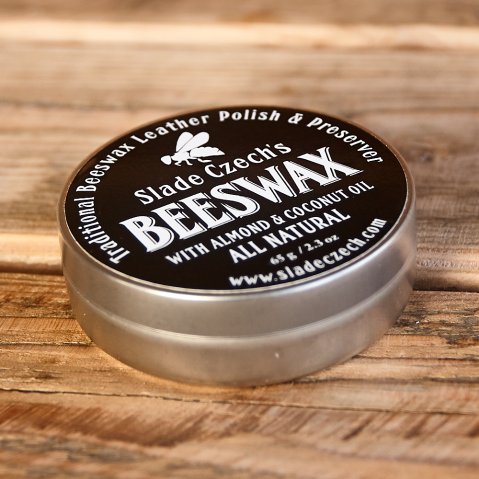
Leather deals with moisture, dirt, friction, and temperature shifts daily. Without protection, it dries out and weakens. Beeswax helps keep it flexible and slows down wear. It’s the difference between leather that ages well and leather that gives up early.
Should you rely on one collar for everything?
Not always the best idea.
A daily-use collar takes the biggest hit. If you rotate gear or separate everyday use from occasional wear, everything lasts longer. One collar doing everything wears out faster. Simple.
What’s the best collar for everyday use?
One that’s strong, well-fitted, and built for real conditions.
For daily wear, proven models like Hot Shot or Renegade are reliable choices. If your dog is stronger, Viking is the safer bet. It’s not about looks—it’s about what holds up over time.
Practical factors that affect durability
- Solid leather – keeps its shape and resists wear.
- Correct width – spreads pressure and reduces stress points.
- Strong hardware – weak buckles always fail first.
- Proper fit – poor sizing shortens lifespan quickly.
- Cleaning – dirt and moisture gradually damage materials.
- Leather protection with Beeswax – keeps leather flexible and longer-lasting.
- Matching the collar to the dog – puppies, average dogs, and strong dogs need different setups.
Common mistakes
Choosing based only on appearance. Looks don’t hold under pressure.
Using a narrow collar on a strong dog. It might look sharp—but it wears out fast.
Skipping maintenance. Wet, dirty leather always pays the price later.
Ignoring wax. Beeswax isn’t extra—it’s protection.
Overdoing it with puppies. Small dogs don’t need heavy gear.
And then there’s the real-life test—dog pulls, collar takes it. That’s where truth shows up.
Expert perspective
From real-world use, collar lifespan isn’t just about leather—it’s about how everything works together. Build, width, fit, behavior, and care all matter.
Many people decide based on first impressions, but collars are tested in motion, not in packaging. Rain, pulling, dirt, and repetition reveal everything.
For stronger dogs, wider and more robust collars consistently last longer. And treated leather behaves differently over time—wax isn’t optional if you want durability.
One simple rule: your dog tests the gear immediately. No second chances.
Who this is for
- Owners who want a collar for real daily use.
- Dogs that pull and need reliable gear.
- Puppies – best starting point with Baby Doll.
- Everyday use – proven Hot Shot.
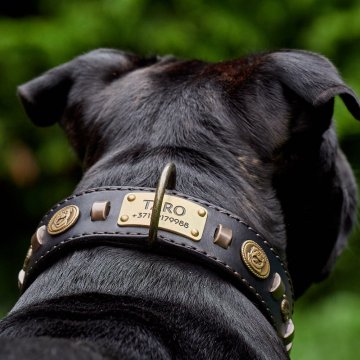
- With ID plate – Renegade.
- Strong dogs – wider Viking.
- Anyone looking to extend lifespan with Beeswax.
Final summary
A collar should last—but only if you choose it right and treat it right. Material, construction, fit, and care all add up.
Start light for puppies, go solid for daily use, and go wider for strong dogs. Then maintain it.
Leather doesn’t need miracles—just consistency.
When your dog forgets it’s even there, you’ve nailed it.
Frequently asked questions
How long should a leather dog collar last?
Several years if it’s well-made and maintained properly.
Does leather wax really help?
Yes. Beeswax protects leather and extends its life.
How often should I check the collar?
Regularly—focus on bends, holes, and hardware.
Is a wider collar better for strong dogs?
In most cases, yes. It spreads pressure more effectively.
Should a puppy wear a long-term collar?
No. Puppies grow fast, so collars should match their current size.
When should I replace a collar?
When it cracks, deforms, or stops being reliable.
Real Dogs