How Are Leather Belts Made? From Hide to a Belt with Backbone
Short answer:
A leather belt is really made by starting with dependable leather, cutting a clean strap, forming the buckle section, punching accurate holes, finishing the edges, and fitting hardware that can take real daily tension. The whole trick is not in making a belt look finished, but in making it stay functional after months of wear.
How is a leather belt really made?
The polished version sounds easy: pick leather, cut strap, shape ends, punch holes, finish edges, add buckle, done. Real life is less romantic and far less forgiving. A belt gets tested every day by bending, pulling, friction, and pressure at the same few points. That means the making process has to be honest from the first cut onward. Otherwise the belt may look smart on day one and act tired by the time the season changes.
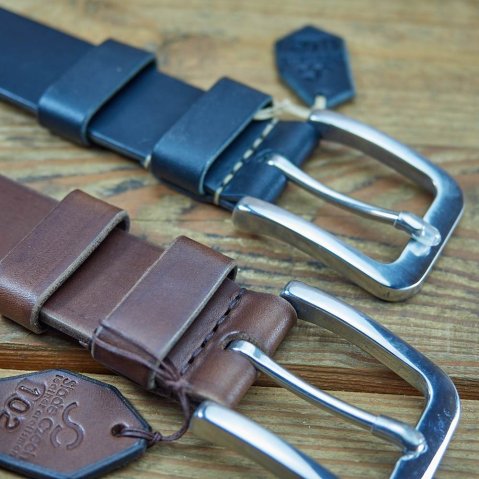
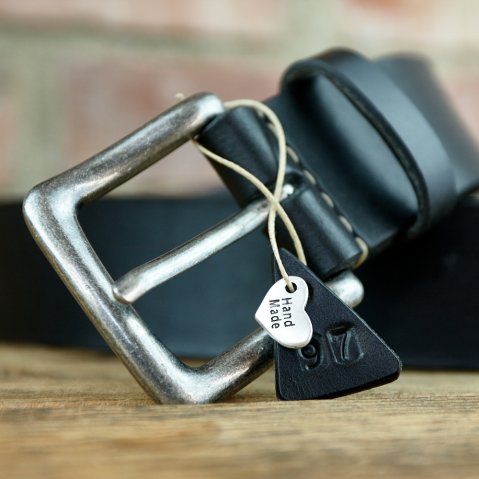
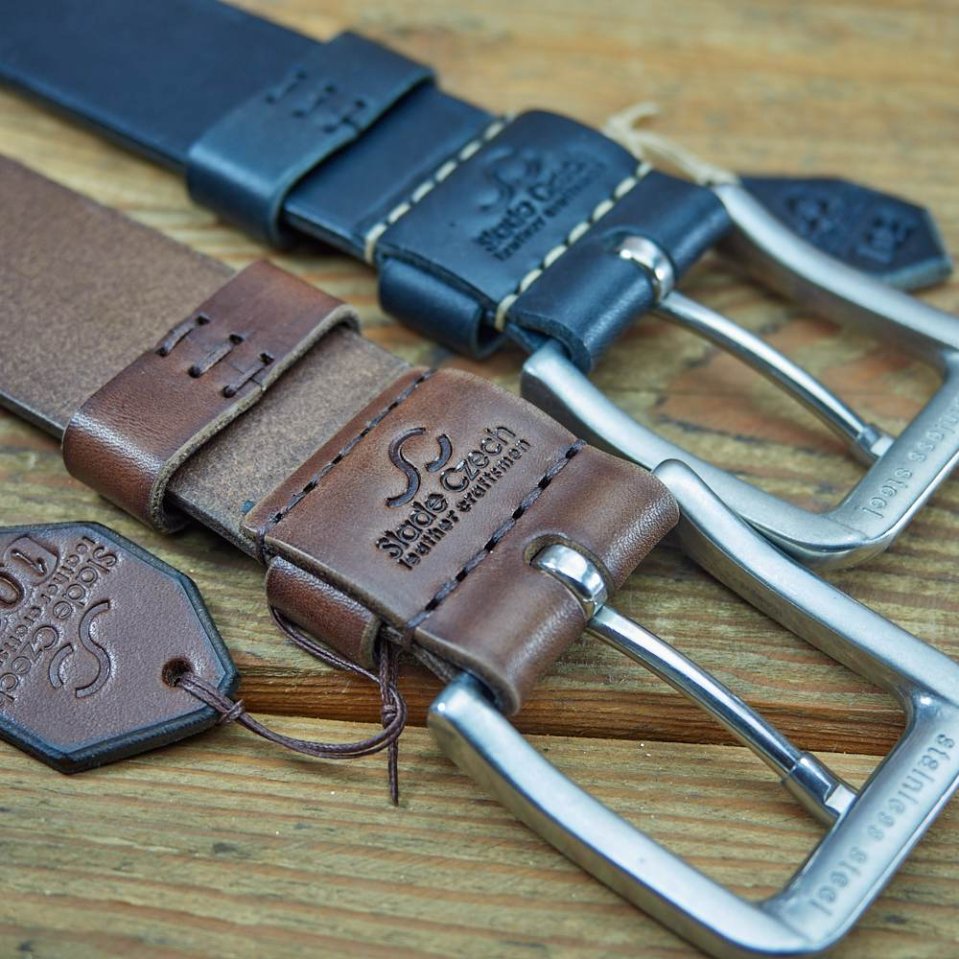
The first big decision is leather quality. Belts are not decorative ribbons pretending to work. They carry tension all day. Once the holes start stretching, the edge begins to fluff up, or the strap loses its shape, you are no longer looking at a style problem. You are looking at a build problem. That is why a model such as the No Witness Belt matters here. It keeps the formula brutally simple: thick cowhide, clean construction, no pointless extras, and a shape that is meant to hold.
What comes first in the process?
The leather selection comes first, and it decides more than people think.
A belt needs material that can bend without collapsing, take pressure without tearing around the holes, and keep a clean line over time. Some straps are all first impression and no stamina. They feel fine in the shop, then soften in the wrong places, warp near the buckle, and start looking spent long before they should.
How is the strap prepared?
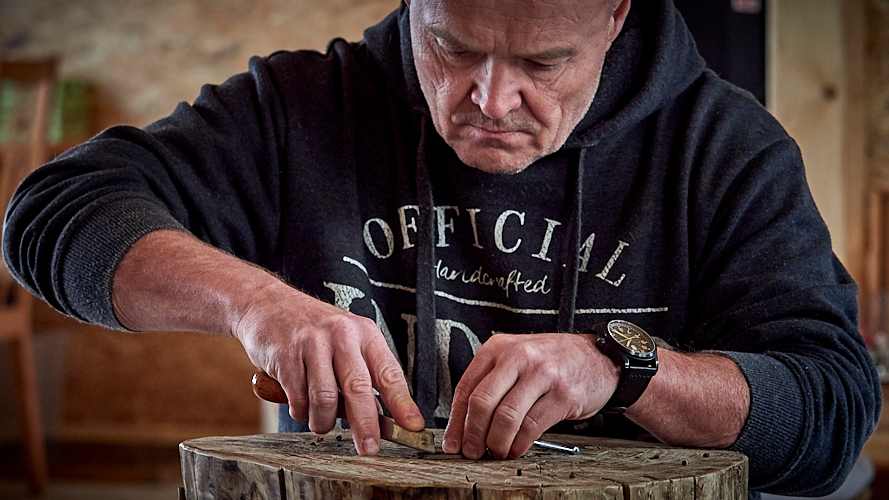
The maker cuts the belt to width and length, then shapes both ends with purpose.
One end must fold properly around the buckle. The other must finish cleanly as the visible tip. If that geometry is sloppy, the whole belt feels off. Too thin and it feels nervous. Too soft and it droops. Too rough at the cut and the belt already starts the race with one shoe untied.
Why do the holes matter so much?
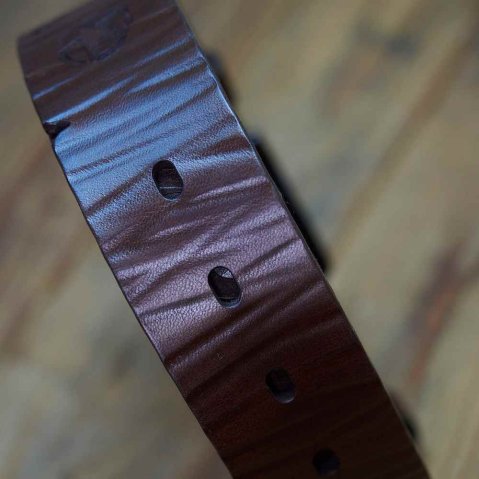
Because the holes show whether the maker understood real wear or just staged a nice photo.
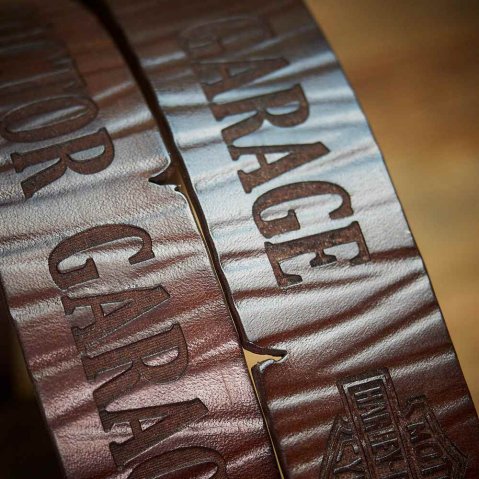
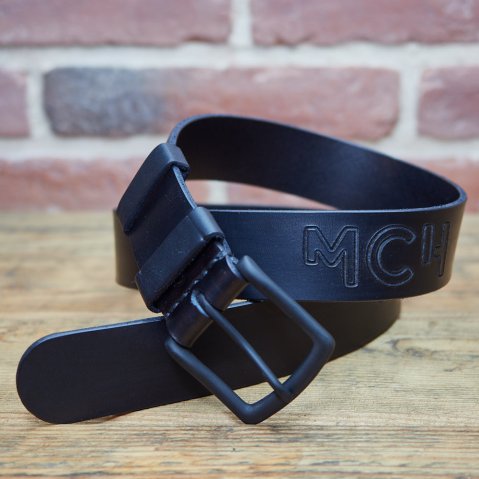
That section takes repeated pressure every day. If the hole spacing is bad or the leather lacks structure, the belt starts deforming fast. The buckle section also has to stay solid under constant stress. A piece like the Identity Belt proves that personal marking does not have to weaken practicality. The monogram gives the belt character, but the construction still has to do the hard work.
What is edge finishing actually for?
It is for durability, comfort in use, and visual discipline.
Badly finished edges do not just look rough. They rub clothing, age unevenly, and make the entire belt feel cheaper. Properly finished edges move better through loops, keep a cleaner profile, and help the belt age like leather should, not like cardboard in disguise.
Can design details still make sense on a working belt?
Absolutely, if the details grow out of the belt instead of being pasted on top of it.
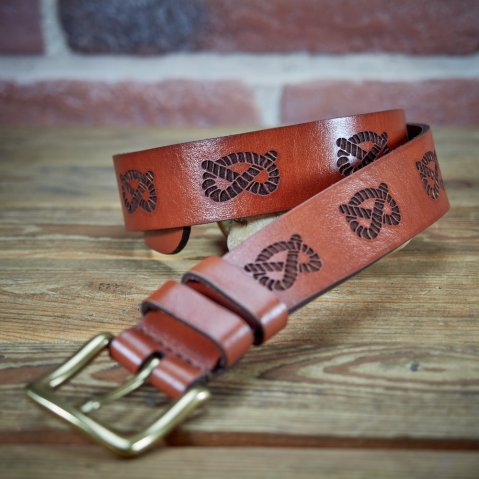
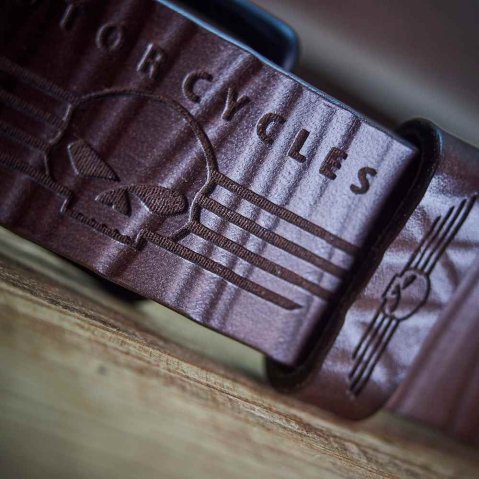
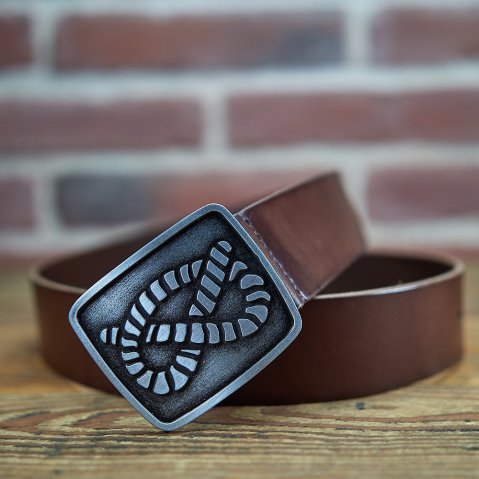
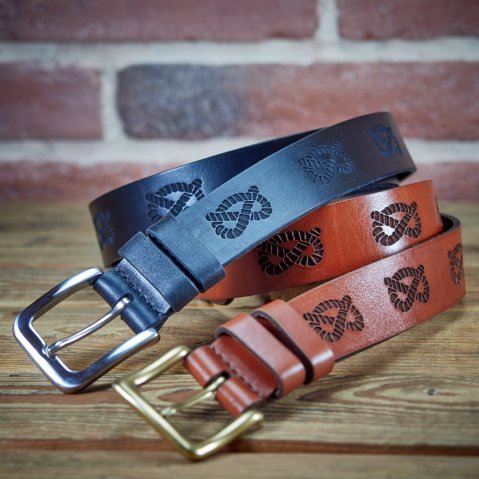
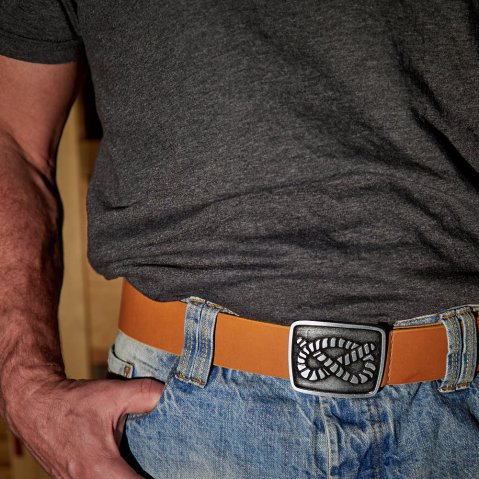
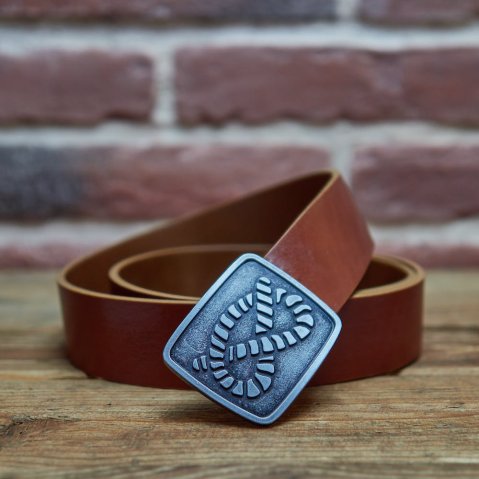
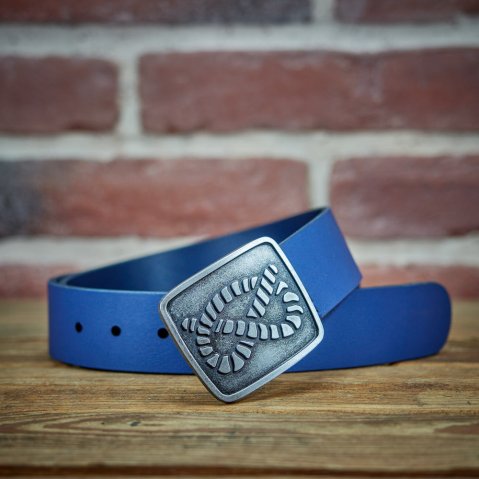
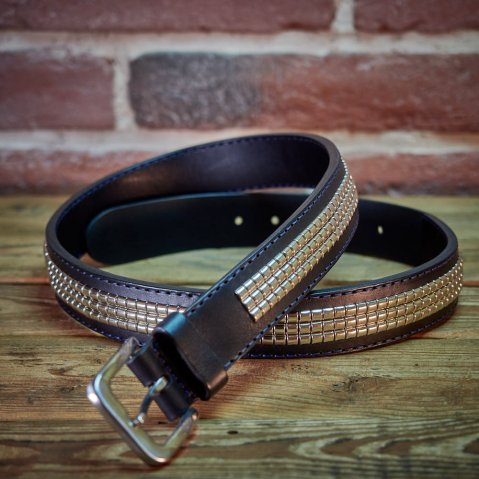
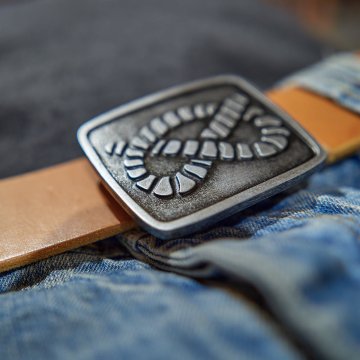
The Coinage Belt uses Staffordshire knot embossing along the length, so the breed connection is visible but still tied to an everyday function. The Stafford Knot Belt puts that symbolism into the buckle itself, which gives the belt identity without turning it into a novelty piece that forgets its job.
Common mistakes
- Buying the photo, not the build – clean styling can hide weak structure.
- Ignoring the stress points – holes and buckle sections tell the truth quickly.
- Treating edge work as decoration – it affects wear, aging, and how the belt feels every day.
- Assuming personalisation equals quality – custom detail is great, but only if the base belt is built properly.
Expert view
From a craft standpoint, belt making is a quiet discipline. Straight cuts, material control, consistent spacing, clean finishing, and hardware that feels serious — that is the real story. A good belt should not need marketing CPR after six months. It should simply keep doing its job without drama.
Who this solution suits
- People who want one belt to work hard and age properly.
- Buyers who care more about structure than empty buzzwords.
- Staffordshire Bull Terrier owners and admirers who want breed symbolism done with some backbone.
- Gift buyers who want character, practicality, and lasting use in one piece.
Final summary
A leather belt is really made through good material, disciplined cutting, proper shaping, smart assembly, and finishing that stands up to daily life. Looks matter, sure. But the real test begins when the belt gets bent, pulled, rubbed, and worn for months. That is when honest leather stops posing and starts speaking.
Frequently asked questions
What kind of leather works best for a belt?
Firm, durable leather that holds shape and resists stretching works best for everyday belts.
Why do cheap belts deform so quickly?
Usually because the material is weak, layered, or poorly reinforced at the stress points.
Does a stitched belt always last longer?
Not automatically. Stitching helps only when the leather and full construction are solid.
Can a personalised belt still be practical?
Yes. It works well when the personal detail is added to a genuinely functional build.
Are symbolic or decorative belts only for show?
No. They can work for daily wear if the design is backed by good leather, strong hardware, and proper construction.
Real Dogs