What to do if your dog gets lost
Short answer:
If your dog gets lost, move fast: search the last place they were seen, alert shelters and vets, post one clear photo with your phone number, and keep your line open. A readable dog tag is often the fastest way home.
What do you do when your dog is missing?
Start at the exact spot where your dog disappeared and work outward. Many missing dogs do not “run away” in a dramatic straight line. They duck behind fences, follow scent trails, hide under porches, or circle back when the noise settles. Your job is to make the search simple for everyone who might see them.
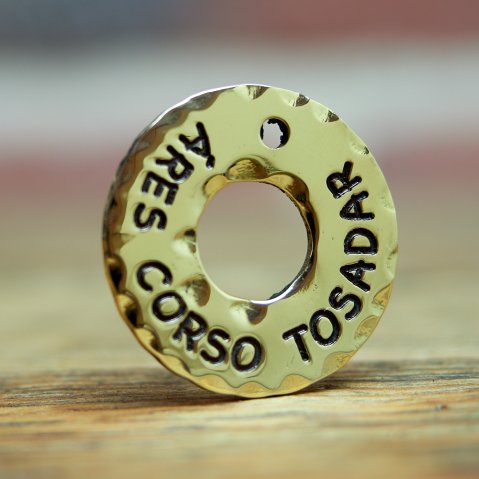
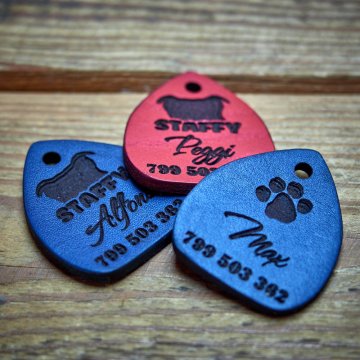
A visible ID tag gives strangers the one thing they need: a way to reach you right now. A clean Plate dog tag with engraved contact details is not just a nice collar accessory. It is the difference between “loose dog spotted” and “owner contacted”. That gap can be huge.
Where should I look first for a lost dog?
Check the last known location, nearby yards, alleys, parked cars, bushes, open gates, food areas, and quiet spaces where a stressed dog might hide.
Do not sprint after the dog if you spot them. A scared dog can switch from “maybe coming back” to “full escape mode” in half a second. Use a calm voice, crouch sideways, and ask people nearby to watch rather than chase. The 5-second test is simple: if the tag can be read quickly, the search has a shortcut.
Who should I call when my dog gets lost?
Call local animal shelters, vets, animal control, municipal police, rescue pages, and neighborhood groups.
Send the same clear details everywhere: photo, size, color, collar, tag, microchip status, last seen location, time, and phone number. Keep it clean. Panic writes paragraphs; good search posts write answers.
Is a dog tag still needed with a microchip?
Yes. A microchip is a strong backup, but a visible tag is faster in real life.
The finder needs a scanner for the chip. They only need eyes for a tag. That is why a dog tag still matters even with a microchip. The chip confirms identity later. The tag can start the call now.
What kind of dog tag is best for a dog that may bolt?
The best tag is easy to read, securely attached, and always on the collar when the dog is outside, travelling, or near open doors.
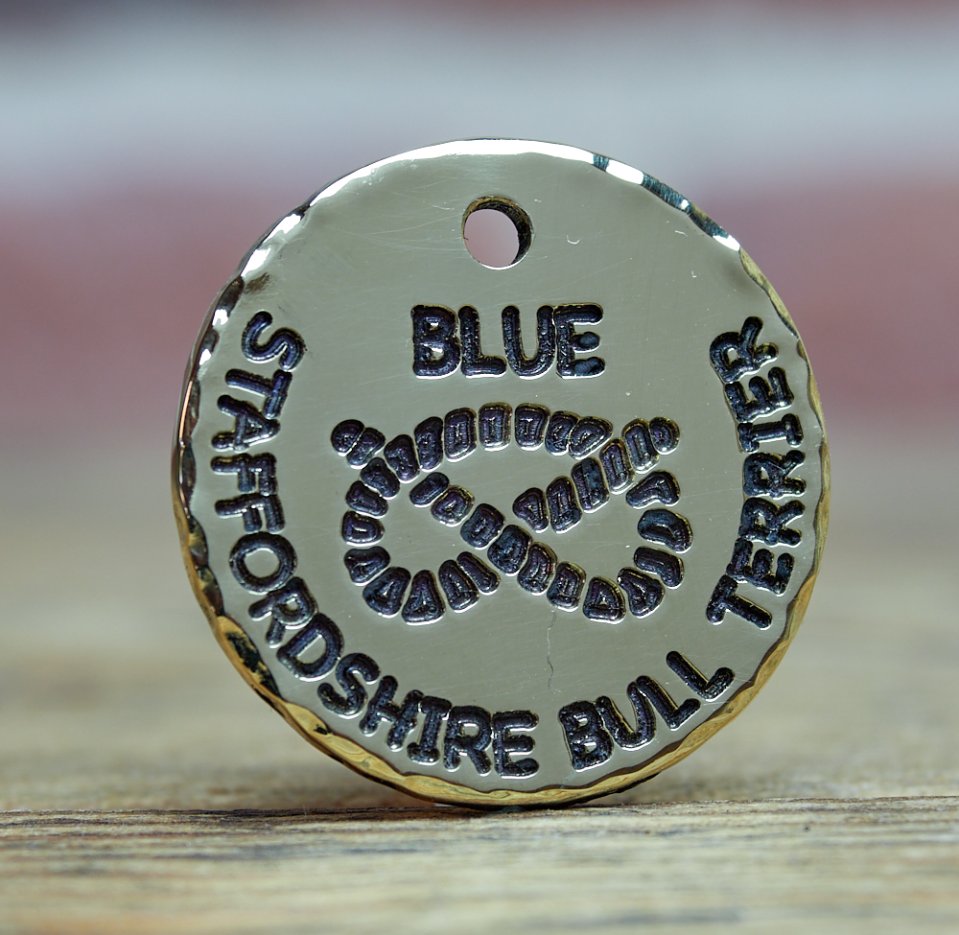
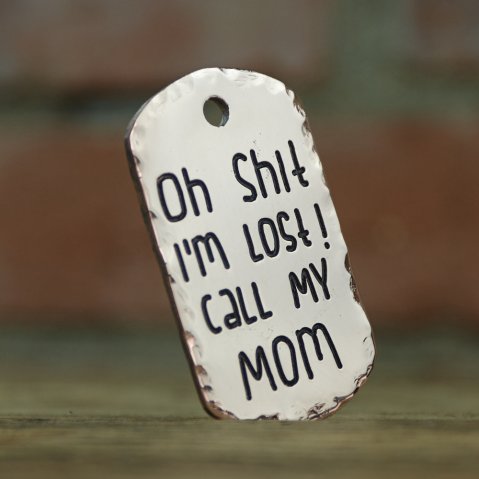
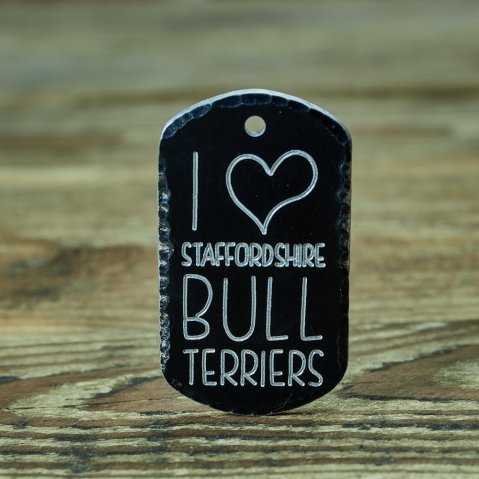
A Circle dog tag for daily walks is a strong everyday choice when you want a simple visible ID. For a dog that plays hard, hikes, or treats gear like gym equipment, a Military dog tag for tougher use keeps the message clear without looking delicate.
Does AirTag work for lost dogs?
AirTag can help as a backup in some areas, but it is not a full dog GPS tracker and should not replace visible ID.
Used correctly with an AirTag Wrap on the collar, it can add one more layer of information. Before relying on it, read how AirTag tracking works for escape-prone pets. Handy tool? Yes. Superhero cape? Not quite.
Quick decision guide: tag, bell, AirTag, or all three?
- If you want the fastest human contact, choose Plate with engraved phone details.
- If you prefer a clean round ID for daily wear, pick Circle.
- If your dog is strong, active, or hard on gear, go with Military.
- If your dog vanishes quietly around the home, garden, or campsite, a Bell dog tag gives you sound before you get silence.
- If you want a digital backup, add AirTag Wrap, but keep the tag and microchip in the plan.
Common mistakes
Assuming the dog will come back by itself
Some dogs do. Many do not. Traffic, noise, smells, and strangers can pull them farther away fast.
Using a blurry missing-dog post
A dark photo and a vague “lost near town” post wastes time. Use one clear image and exact location details.
Trusting only the microchip
A chip is important, but the dog must first reach someone with a scanner. A tag works on the sidewalk.
Buying ID that looks good but reads badly
A tag that wins the photo and loses the phone number is not doing its job. Good-looking gear is nice; readable gear gets the dog home.
Expert view
When a dog is lost, every step adds friction: someone sees the dog, tries to approach, wonders who to call, checks the collar, posts online, waits for replies. A readable tag removes several of those steps. That is why identification gear should be chosen for pressure moments, not just for cute collar photos.
If you want to understand the practical side of engraving, read engraved metal dog tags and collars. Clear marking is not a fancy extra. It is the message your dog carries when you cannot speak for them.
Who needs this setup?
- Dogs that bolt after squirrels, cats, dogs, bikes, or mysterious smells.
- Young dogs with fast legs and half-finished common sense.
- Strong breeds that can turn one open gate into a full neighborhood alert.
- Dogs that travel, show, visit family, or stay in unfamiliar places.
- Owners who want prevention before the group chat starts screaming.
Final summary
If your dog gets lost, search immediately, contact the right local people, and make your missing-dog post sharp and easy to share. Before anything happens, combine a registered microchip with a readable tag and consider an AirTag-style backup if it suits your area. The next smart step is to decide whether your dog needs simple ID, sound, digital tracking, or a layered setup. The best rescue plan is already attached before the gate swings open.
Frequently asked questions
What should I do immediately if my dog is missing?
Search the last known area, call calmly, ask nearby people, and alert shelters, vets, and local animal control.
Does a microchipped dog still need a tag?
Yes. A tag is visible immediately; a microchip requires a scanner.
Can I use AirTag to find my lost dog?
AirTag may help in some places, but it is not a full GPS tracker and should be used as backup only.
What should a dog tag say?
A phone number matters most. Keep the engraving clear and easy to read.
Why do dogs hide when they get lost?
Stress, noise, unfamiliar smells, and fear can make even a friendly dog hide instead of coming back.
Real Dogs