What Collar Actually Makes Sense for a Dog That Pulls?
Quick answer:
For a dog that pulls, the better answer is often a wider, firmer collar rather than a narrow, floppy one. The extra width helps spread pressure, keeps the collar steadier on the neck, and makes the whole walking setup feel less like you are negotiating with a furry tractor.
What collar actually makes sense for a dog that pulls?
In everyday handling, a wide, properly built leather collar is usually the smartest first move. Not because it sounds hardcore, but because it behaves better when the dog commits weight into the leash. When the collar stays flat, steady, and predictable, you have a cleaner line of control. When it twists, bites into one edge, or goes soft, the walk gets messy fast.
If you are torn between a regular collar and a half check, do not rush straight into mechanism talk. First look at what the current collar is doing under tension. If you want a deeper read on that, start with what truly holds under pressure when the pull hits. That usually clears up more than another round of guesswork.
Why does width matter so much with a pulling dog?
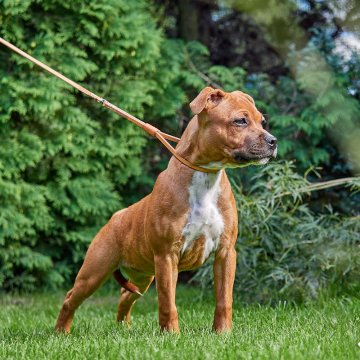
Because the dog is not pulling with just the neck. The whole front end joins the argument. Chest forward, shoulders engaged, neck braced. A narrow collar turns that force into a thinner contact line, which can feel harsher and less stable at the same time.
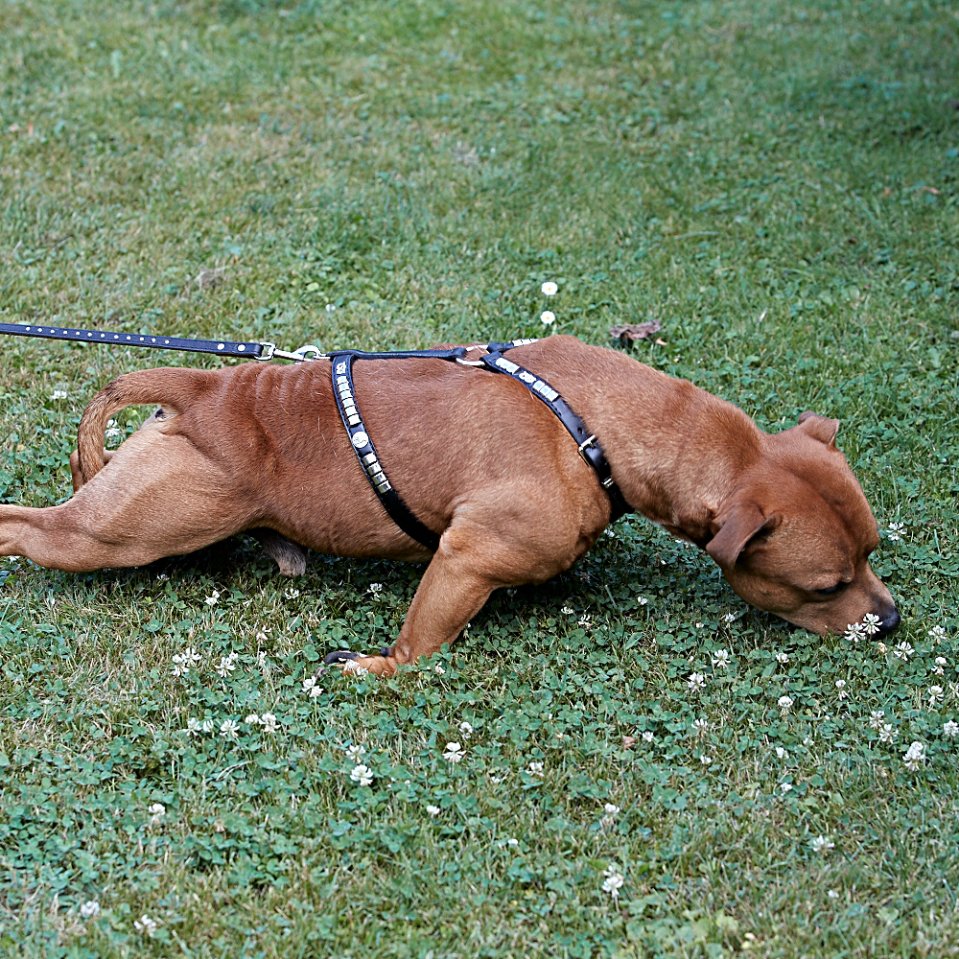
You can spot the problem quickly. The dog hits the leash, the collar rolls sideways, and suddenly one edge is doing all the work. That is not just uncomfortable. It also gives you a sloppier, less predictable feel through the leash.
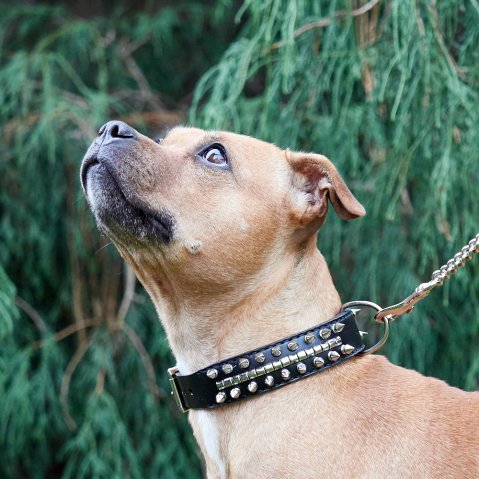
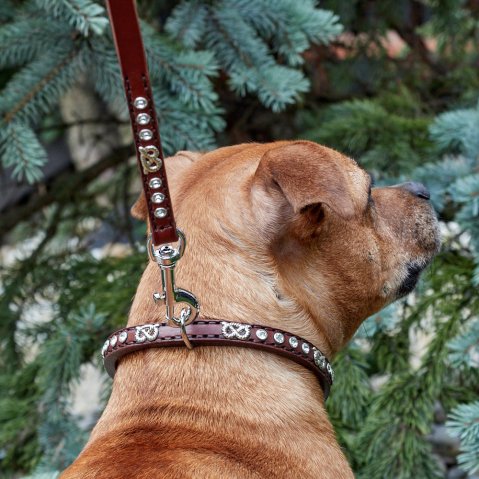
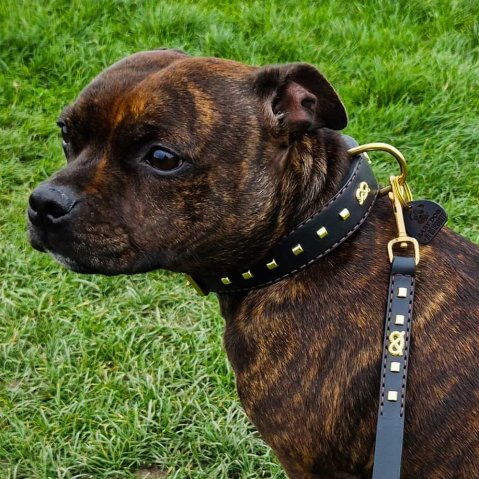
That is why something like the Buffalo collar belongs in this conversation. It gives you a broader, more grounded structure for dogs that do not just stroll politely when something exciting appears.
What does bad collar performance look like in real life?
It usually shows up before anything breaks. The collar shifts. It bunches. It starts sitting crooked. Pressure lands in one narrow strip instead of staying spread out.
This is the five-second reality check: if the collar rotates 90 degrees when the dog lunges, that is already useful information. If it folds instead of holding shape, same story. A collar does not need to fail dramatically to be wrong. Sometimes it simply reveals, in one ugly second, that it was never built for that dog’s kind of pull.
And here is the contrast that matters: some collars look slick when the dog is standing still. Different story once the leash goes tight. Nice on a hanger is not the same as trustworthy in motion. That is where plenty of gear gets exposed.
Do you always need a different collar type?
No. A lot of the time, the issue is not that you chose a classic collar. The issue is that you chose one that is too narrow, too soft, or too light for the dog wearing it.
People often jump from “my dog pulls” to “I must need a stronger system.” But if the basic collar is unstable, switching to a different mechanism may only hide the real problem. Start with width and build. Get the foundation right first.
If you want a more dependable standard option without moving away from the classic style, the Hexagon classic collar fits that role much better than a soft fashion piece that loses its nerve the moment the dog leans in.
When is a half check the smarter call?
A half check is a better fit when the dog tends to back out of regular collars, when neck shape makes fitting tricky, or when you need clearer handling without going all the way into a full slip collar setup.
It is not the default answer for every pulling dog. If the main issue is poor pressure distribution, lack of width, or a collar that collapses under load, the mechanism is not your first fix. Sort the construction first. Then decide if the dog really needs a different style of control.
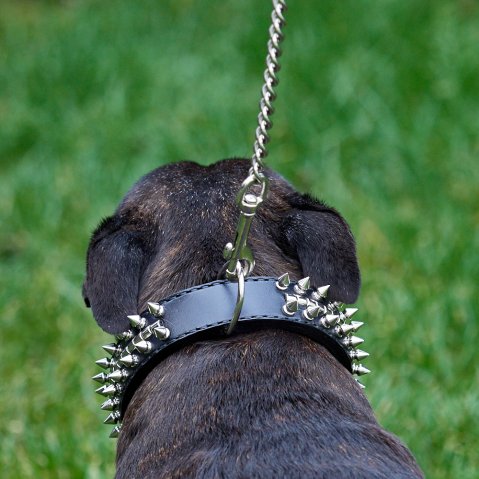
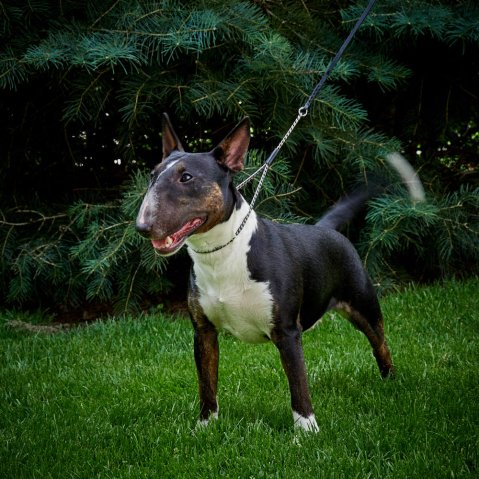
For dogs that brace hard, slip backward, or turn regular collars into a constant fitting problem, the Tough Guy Choker Half Check Collar can be a logical next step. Used well, it is about safer handling and cleaner feedback, not theatrics.
Decision flow: start here
- If your dog pulls forward but does not escape the collar: begin with a wider, firmer classic collar.
- If the collar rolls, pinches, or feels floppy: width and structure are the first things to fix.
- If your dog reverses out of standard collars: a half check may be the more practical route.
- If you are unsure what the real problem is: watch what the collar does in motion before blaming the collar type.
Does material matter, or is width enough?
Material matters because structure matters. Good leather with real body tends to hold its shape better than many collars that feel soft and harmless in the hand but become unstable once the dog loads them.
Of course, not every leather collar is automatically the answer. Weak leather can still be weak gear. But when leather is well chosen and properly built, it gives you a more controlled, grounded feel. That matters a lot when your dog decides the squirrel deserves full engine power.
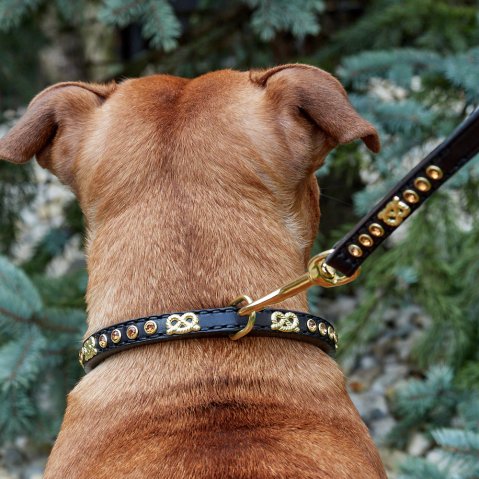
If you want a classic-looking piece that still has practical backbone, Vintage Paws sits in that sweet spot between honest structure and old-school visual character.
What if the dog clearly dislikes wearing collars?
Then pulling may not be the whole story. Some dogs are reacting to constant rubbing, unstable fit, or pressure points rather than the idea of collars themselves.
If that rings a bell, it is worth reading why some dogs hate collars and how to help them love them. Sometimes the dog is not being difficult. The equipment has just been irritating the dog every single walk.
Common mistakes
- Picking slim over stable. Clean looks mean very little if the collar becomes a twisting pressure line the second the dog pulls.
- Blaming the mechanism first. In many cases, width and construction are the real culprits.
- Shopping with eyes only. Hardware can look impressive and still be attached to a collar that does not behave under load.
- Ignoring long-term wear. If you want a better sense of durability, read how long a dog collar should really last.
Expert view
The big dividing line in dog gear is not “fancy” versus “plain.” It is whether the collar stays honest when real force enters the picture. That one detail changes how pressure is spread, how clearly you can guide the dog, and how confident the whole setup feels in your hand.
We see plenty of dogs that are labeled stubborn when the collar itself is part of the chaos. Soft, weak gear makes handling less precise. A solid collar will not train the dog for you, but it should not become the weakest link the moment things get lively. That part should already have its act together.
Who is this for?
- Dogs that surge forward once the leash tightens.
- Owners who want better handling before escalating to a more corrective setup.
- Strong, compact, muscular dogs that can put serious force into a walk.
- Dogs whose current collar behaves fine only until real pressure starts.
Final summary
For a pulling dog, start by fixing width, structure, and stability before you obsess over mechanisms. A wider, firmer collar usually gives cleaner pressure distribution and more predictable handling than a narrow, soft one. If the collar twists, folds, or starts acting like a strap instead of a collar, it is already telling you something important. Good equipment should not fall apart just because the walk got interesting.
Frequently asked questions
Is a wider collar better for a dog that pulls?
Usually yes. It often spreads pressure better and stays steadier than a narrow collar.
Should every strong dog wear a half check?
No. Many dogs do well in a properly built classic collar. Half checks are useful in specific situations, not as a universal answer.
How can I tell the collar is too weak?
If it twists, folds, shifts, or starts cutting into one edge when the dog pulls, it is likely too weak for that job.
Does leather help in real use?
Yes, when it is quality leather with proper structure. It tends to stay calmer and more stable on the neck.
What should I solve first: width or collar type?
For many dogs, width and construction come first. Mechanism comes after that.
Real Dogs