Crafts That Run in Our Veins: What Stands Behind Slade Czech Leatherwork?
Short answer:
Slade Czech products are built on several traditional crafts: saddle-making, leather goods making, leather carving, metalwork, finishing, design and prototyping. Together, these crafts turn leather into gear that looks good, holds its shape and survives real life without falling apart at the first serious pull.
What crafts stand behind Slade Czech leather products?
Slade Czech products are shaped by saddle-making, bag-making, leather carving, metal fittings, finishing and practical design. Each craft has a job: the stitch must hold, the leather must sit right, the buckle must work under pressure and the final piece must make sense in daily use. That is where handmade leather stops being decoration and starts becoming dependable gear.
If you want to understand why handmade work still matters, start with the story behind twenty years of Slade Czech leatherwork. If you are more interested in how detail becomes character, the natural next step is why unique handmade design still has real value. This article sits right between those two worlds: craft, function and a little leather rebellion.
Why is saddle-making the backbone of Slade Czech?
Saddle-making is the craft that teaches leather discipline. It is about structure, load, tension and stitches that do not give up when life gets noisy.
On a dog collar, that matters the moment the dog suddenly launches forward and the leash tightens in one sharp second. A weak collar twists, the holes stretch, the pressure runs into one thin line and the owner feels it immediately. Good saddle-style construction spreads force better and keeps the piece predictable. Pretty is nice. Predictable is what saves your wrist.
What does leather goods making add to the products?
Leather goods making brings order, shape and everyday usability. It is the craft behind bags, wallets, pouches and small leather pieces that must be practical without looking like a toolbox after a pub fight.
A good leather bag is not just a pocket with ambition. It needs the right thickness, clean edges, sensible space and construction that does not collapse after a few months. When a treat bag opens fast, a wallet sits flat or a leather case ages with dignity, that is leather goods making doing its quiet little victory dance.
Why do details matter so much in handmade leatherwork?
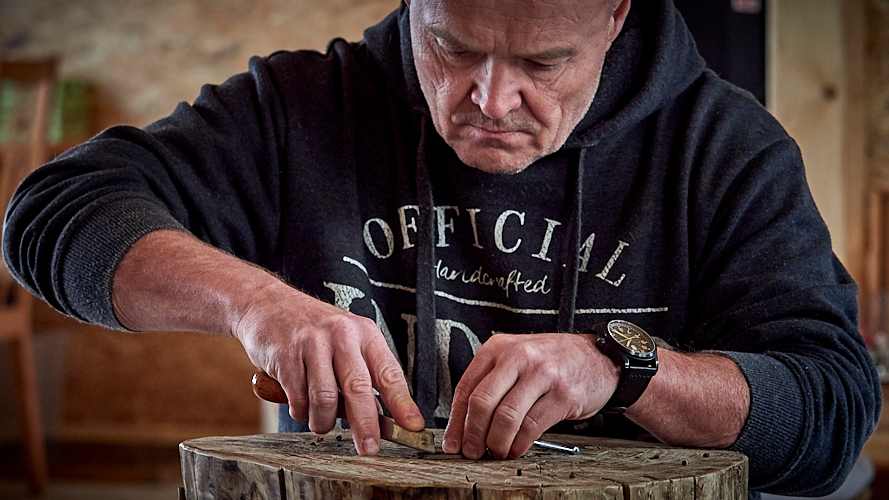
Details matter because they are often the first place where poor work gives itself away. Edges, holes, stitching, carving, rivets and fittings show whether a piece was built with patience or just pushed through production.
Leather carving and decoration add character, but they must never fight the function. A logo, motif or ornament should belong to the piece, not scream like it got lost on the way from a souvenir stand. For more about decorative metal and detail work, continue with the Slade Czech look at brass, fittings and craft detail.
How does metalwork affect real use?
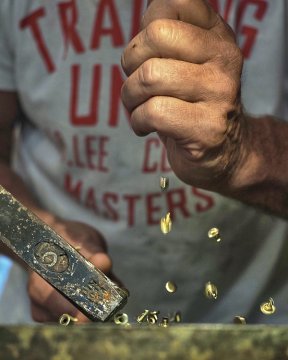
Metalwork is not background decoration. Buckles, rings, studs, chains and snap hooks decide whether the whole product behaves properly when pressure arrives.
Here is the 5-second test: the dog leans into the leash with the full chest, the collar turns 90 degrees, and suddenly all pressure sits in the wrong place. If the hardware is weak or badly matched, the problem is not cosmetic. The whole product starts working against you. Good metal fittings do not just shine. They carry the story without bending the plot.
What role do colour and finishing play?
Colour and finishing give leather its final character, but they also protect the surface and affect how the piece ages. Oils, waxes, dyes and edge work are not magic dust. They are the last layer of discipline.
Fresh leather can look amazing in a photo. Real leather must also survive hands, rain, dog hair, mud, pockets, movement and time. The difference shows later: cheap finishing gets tired quickly, while good finishing grows into patina. That is the leather version of ageing with a better attitude.
Looks good versus works in practice
A product can look fantastic in a product photo and still fail in real life. Thin leather may look elegant until a strong dog pulls. A shiny buckle may look expensive until it bends. A soft collar may seem gentle until it rolls, twists and sends pressure into one narrow line. Real craft is not about making leather behave for the camera. It is about making leather behave when the dog has an idea and physics joins the party.
Decision flow: which craft matters most for your situation?
- If your dog pulls hard: focus on saddle-style construction, width and hardware strength before decoration.
- If you want a bag, pouch or wallet: look at shape, space, edge work and how the piece will sit during daily use.
- If you want a showy piece: choose detail work that supports the design without weakening the structure.
- If you are unsure: solve leather thickness, width, size and construction first. Decoration comes after the foundation behaves.
If your next question is how a specific leather item is actually made, continue with how leather belts are made from raw leather to a strap that holds its shape. That is where craft stops being a romantic word and starts smelling like work.
Common mistakes
Choosing leather only by appearance
Good-looking leather is not automatically good working leather. If the thickness, temper and construction are wrong, the piece may look charming and still behave like wet cardboard under load.
Ignoring hardware
Many people notice the leather first and the metal later. In daily use, that is backwards. A buckle, ring or snap hook is often the part that receives the sharpest stress.
Thinking handmade means fragile
Handmade does not mean delicate. Done properly, it means controlled decisions: where to stitch, where to reinforce, what to leave flexible and what must stay firm.
Forgetting the real-use moment
The real test is not the table. It is the walk, the pull, the pocket, the hand, the rain, the daily grab before leaving the house. That is where weak work starts whispering excuses.
Expert view
From a maker’s point of view, leather is never just a material. It has mood, stretch, resistance, memory and limits. Cut it wrong and it fights back. Stitch it wrong and it complains later. Match it with weak metal and the whole piece loses authority.
That is why traditional crafts still matter. Saddle-making teaches strength. Leather goods making teaches usability. Finishing teaches patience. Metalwork teaches respect for pressure. Design and prototyping teach one final lesson: an idea is not good until it survives use.
Who is this kind of craft for?
- For dog owners who need gear that stays calm when the dog suddenly does not.
- For people who want leather goods that age with character instead of falling into tired sadness.
- For anyone who prefers one honest handmade piece over five forgettable substitutes.
- For customers who notice details: edge, stitch, buckle, shape and the way leather feels in the hand.
- For those who understand that craft is not nostalgia. It is practical intelligence with scars on its fingers.
Final summary
The crafts behind Slade Czech products are not decoration around the brand. They are the reason the products hold, age and make sense in real life. Saddle-making gives strength, leather goods making gives usability, finishing gives character and metalwork gives confidence under pressure.
If you want to go deeper, read about the value of unique handmade design, then move to the craft of brass and metal detail. Leather has to look good, yes. But when the pull comes, it had better have manners.
Frequently asked questions
What crafts are used in Slade Czech products?
Slade Czech products combine saddle-making, leather goods making, leather carving, metalwork, finishing, design and prototyping.
Why is saddle-making important for dog collars?
Saddle-making focuses on strength, structure and stitches that hold under pressure, which matters when a dog pulls or jerks suddenly.
Is handmade leather stronger than factory-made leather?
Not automatically. Handmade leather is stronger only when the maker understands construction, material thickness, stitching and real use.
Why do buckles and rings matter so much?
Hardware carries a lot of stress. Weak metal can bend, twist or fail even when the leather itself still looks fine.
What is the difference between decoration and craft?
Decoration changes how a product looks. Craft changes how it works, ages and survives daily use.