Bull Breeds Without Myths: Pit Bull, Amstaff, Staffy and Bully in 2026
What Are Bull Breeds and Why Are There So Many Myths About Them?
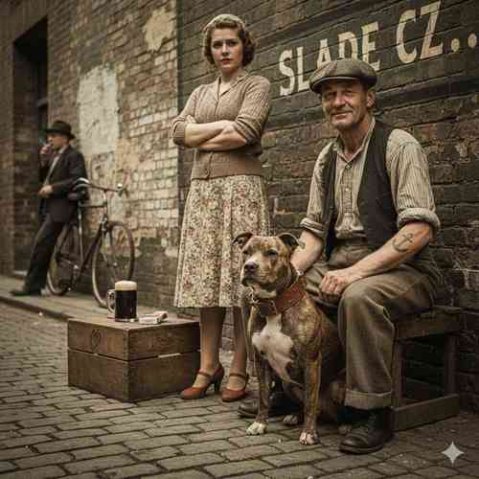
Bull breeds are a group of dogs connected by history, appearance, and above all, an intense bond with humans. It’s not a single breed – it’s a type of dog that originated from the historic 19th-century “bull and terrier” crosses.
Their roots go back to England, where Bulldogs and Terriers were crossed to create a dog combining strength, endurance, and energy. These dogs later made their way to America, where they gradually developed into the breeds we now refer to as bull or bully dogs.
Simply put: a bull dog is not one breed. It’s a family of dogs sharing a similar history and character.
Why Do Bull Breeds Trigger So Many Emotions?
Bull breeds command respect at first glance, yet their real temperament is often the complete opposite of what people expect. They are deeply people-oriented, crave closeness, and are happiest when they’re part of everyday family life.
It only takes a moment on the street. Someone crosses to the other side. Someone else smiles and asks if they can pet them. These dogs spark reactions before they even wag their tails.
But real life with a bull breed is far more about the couch than guarding the gate. More about laughter than fear. And above all, about connection.
Which Breeds Belong to the Bull Category?
The term “pit bull” or “bull breeds” is used as an umbrella label for several breeds. It most commonly includes:
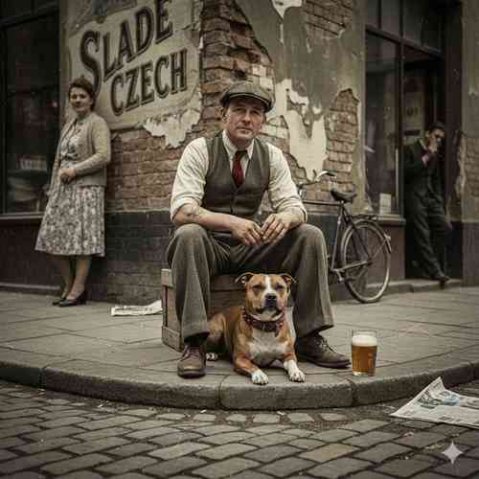
American Pit Bull Terrier
An athlete, a worker, and an intensely loyal companion. The Pit Bull thrives on activity, cooperation, and an active lifestyle. With proper socialization, they are friendly, stable, and strongly family-oriented.
American Staffordshire Terrier
Strong, balanced, and loyal. They combine energy with stability, love having a purpose, and want to understand what’s expected of them. In a family setting, they are typically very affectionate.
Staffordshire Bull Terrier
Compact, cheerful, and extremely people-focused. They adore human contact and everyday life alongside their family.
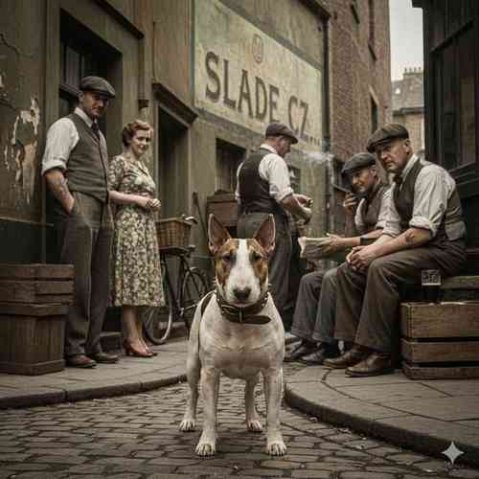
English Bull Terrier
Unmistakable head shape, bold personality, and playful spirit. They need guidance and mental stimulation, but with the right approach, they become outstanding companions.
American Bully and Related Types
Modern lines developed from combinations of the breeds above. Solid build, strong head, and the same deep human orientation.
What Is Real Life Like With a Bull Dog?
Close. Very close. Sometimes comically close.
Bull breeds are not backyard dogs. They’re not loners. They want to be at the center of the action – in the kitchen in the morning, on walks in the afternoon, on the couch in the evening.
Owners know the moment. You turn around… and your dog is there. You turn again… and they’re still there. Because to them, you are the center of the universe.
Why Are Bull Dogs So Attached to Humans?
They were bred for cooperation. Generations of dogs worked side by side with people. They responded to commands, read emotions, and built strong bonds.
Today, it’s visible every single day. These dogs read moods, react to tone of voice, and want to be part of the team. That’s why they often excel in therapy and human-focused work.
How Did the “Dangerous Dog” Myth Start?
A powerful appearance draws attention. Attention creates fear. And fear creates stories.
The truth is simpler. A dog’s temperament is shaped by environment, upbringing, and experience – just like with any other breed.
Bull breeds were once beloved family dogs, featured in advertisements, and owned by presidents and celebrities. The negative media image came much later.
Why Do Bull Dogs Love Activity and Work?
Energy is their fuel. Cooperation is their joy. A task is their happiness.
When they have purpose and activity, they thrive. When bored, they improvise. A well-guided bull dog is focused, enthusiastic, and eager to work.
Why Do They Truly Need Quality Equipment?
Because they live life at full speed. They have strength, energy, and drive.
Since 2004, at Slade Czech, we’ve been crafting handmade leather collars and leads tested in real life – on walks, hikes, and training sessions. We know how much power a bull dog can generate in a single second.
Quality isn’t a luxury. It’s peace of mind on the leash.
What Changed in 2026?
Public perception of bull breeds has shifted significantly in recent years. Thanks to education, responsible breeders, and better information, the “dangerous dog” image is slowly being replaced by the reality of everyday life with a loyal family companion.
- A dog’s temperament is shaped by environment and leadership.
- Early socialization is the key to balanced behavior.
- Bull breeds are among the most human-oriented dogs.
- They are increasingly involved in therapy and people-focused work.
2026 brings more facts and fewer myths. And more people realizing that a bull dog is, above all, a devoted partner.
Who Is Behind This Article?
Author: Slade Czech team.
Since 2004, we’ve been crafting handmade leather equipment for dogs and their humans. Every product is born from real-life experience, testing, and everyday life with active dogs.
FAQ
Is “pit bull” a single breed?
No. It’s an umbrella term used for several bull-type breeds and their mixes.
Are bull breeds good family dogs?
Yes. With proper socialization, they are extremely loyal and deeply people-oriented.
Are bull breeds good with children?
Yes. Historically, they were even nicknamed “nanny dogs” because of their patience and bond with humans.
Are bull breeds dangerous?
No. A dog’s behavior is shaped by upbringing, socialization, and environment.
Do bull breeds need special training?
They don’t need special training, but they do require consistent, positive guidance.
Why do bull dogs need high-quality collars and leads?
They are strong and active. Quality equipment is essential for safety, comfort, and durability.
Featured Dogs