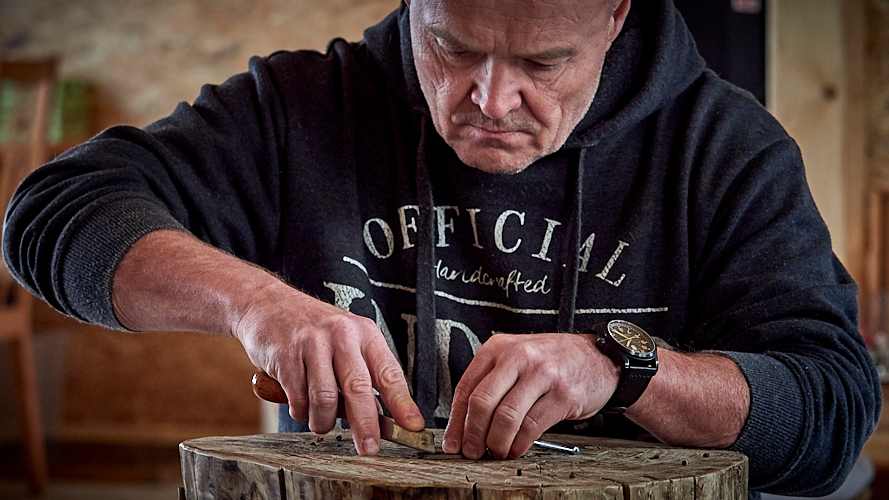
Dog as a personality, not an accessory
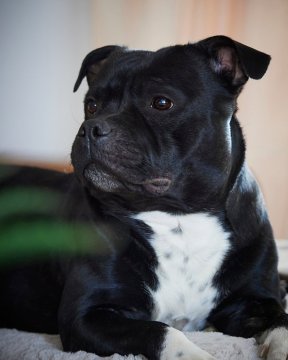
A partner with their own style, health, and opinion
Not long ago, for many people a dog was mainly “the fourth member of the family.” Someone you walk, feed, and give an occasional pat. Today, the cards have been reshuffled. The dog has stopped being an accessory and become a full-fledged partner. One with their own pace, character, moods… and yes, even an opinion.
And this is exactly where the shift begins — the one that resonates more strongly than ever in 2026.
A dog is no longer an anonymous bundle of fur on a leash. It’s a personality. One is a calm observer of the world, another is an energetic magnet for trouble, a third is a proud lone wolf who won’t let anyone dictate terms. And the more you live with a dog, the more you realize that universal solutions simply don’t work. What suits one dog bothers another. What looks good on one can restrict the next.
Just like people, dogs have their own style. Not the fashionable, catalog kind, but a style shaped by personality. One feels calm and balanced, another carries natural authority and earns respect just by standing there. And this is where things click. Gear stops being just a functional necessity and starts speaking for the dog and their human — without words.
A collar is no longer “whatever was at hand.” It’s something that should fit, hold securely, stay out of the way, and still feel natural. Not shout, but say something. About the relationship. About the approach. About the fact that a dog isn’t a toy or a fashion stunt, but a partner you share everyday life with.
Hand in hand with this comes a much stronger focus on health. Dogs live at the same pace we do now. They move through cities, ride in cars, spend time among people. And their bodies respond. Sensitive skin, pressure on the neck, discomfort in movement — these are signals owners no longer ignore. Because they’ve understood that health isn’t an extra bonus. It’s the foundation of the relationship.
A dog may not speak, but they make it clear when something doesn’t work. They pull, flinch when gear is put on, scratch their neck, act restless. And they show just as clearly when everything is right. Movement is calm, walking confident, contact with the human natural. That’s the moment you know you’re respecting your dog’s needs, not just your own ideas.
This entire shift has one thing in common: authenticity. People no longer want things just for effect. They want things that make sense. Quality that lasts. Solutions that aren’t made for one season only. And an approach that says: “I know exactly why I do it this way.”
Dog as a personality isn’t a trend. It’s a return to common sense. To respect. To the understanding that a relationship with a dog isn’t about control, but cooperation. Walking side by side in the same direction — each in their own way, but together.
And when you’re walking together, it’s nice when it isn’t a compromise. When it fits. When it works. When you can feel that the dog isn’t an accessory.
But a partner.
FAQ: Dog as a personality
How can I tell if a collar or leash doesn’t fit my dog properly?
Typical signs include pulling, flinching when putting it on, scratching around the neck, or restlessness during walks. Properly fitting gear stays stable, doesn’t press, and allows natural movement.
What’s better for a dog with sensitive skin: leather or synthetic materials?
It depends on the individual dog and the quality of the craftsmanship. For sensitive dogs, a smooth surface, clean edges, and correct sizing are key to avoiding rubbing and pressure points.
Why is “style” in dog gear such a big topic today?
Because gear isn’t just about function — it’s also a way to express a dog’s character and the owner’s approach. Comfort, durability, and long-term quality are also under much closer scrutiny.
How do I choose the right collar size so it’s safe and comfortable?
Measure the neck where the collar normally sits and allow a small comfort margin. The collar should stay secure but must not choke or slip over the head.