How long does a dog collar last?
Short answer:
A quality dog collar can last for years, but it depends on the material, construction, the dog’s strength, how often it’s used, and how you take care of it. A solid leather collar for daily use ages very differently from cheap options that lose shape or fail at stress points. Regular care and leather protection with wax make a noticeable difference.
How long does a dog collar last?
A dog collar can last a few months—or several years. It comes down to what it’s made of, how it’s built, how strong and active the dog is, and whether the collar is made for real life or just looks good out of the box. With proper care, especially for leather, lifespan increases significantly.
What affects a collar’s lifespan the most?
Mainly the material, construction, width, and daily use.
A calm dog walking around the block won’t test a collar the same way as a powerful dog lunging at every moving leaf. That’s where things get real. Solid leather models like Hot Shot or Renegade are built exactly for that everyday pressure.
Does a leather collar last longer than cheaper options?
Yes, a well-made leather collar usually lasts much longer.
Leather doesn’t “fall apart” the way cheap materials do. It wears in, not out. Low-quality collars often stretch, twist, or lose structure after a few months. A solid leather collar keeps its shape and function. You don’t notice that on day one—you notice it after months of real walks.
How do you know a collar is worn out?
Look for cracks, stretched holes, weakened bends, or loose hardware.
Your dog often tells you first. Scratching more, shaking the head, acting uncomfortable. Then you pick up the collar and feel it—soft where it shouldn’t be, worn around the buckle, losing structure. That’s not aging. That’s the end.
Does the dog’s strength matter?
Absolutely—and a lot.
A strong dog can stress a collar within seconds. A narrow collar on a thick neck concentrates pressure and wears out faster. That’s why wider models like Viking make sense for powerful dogs. On paper, just a width difference. In real use, a completely different story.
What about puppies?
Puppy collars don’t last as long because puppies grow—and test everything.
The first collar isn’t meant to last years. It’s a starting point. Puppies grow fast, chew, roll, explore. That’s why a light starter set like Baby Doll makes more sense than overloading a small neck with something built for adulthood.
Does maintenance really extend lifespan?
Yes—and often significantly.
Leather isn’t maintenance-free. If it gets wet, dries too fast, or stays dirty, it hardens and weakens over time. Basic care keeps it in shape. And there’s one detail many people underestimate.
Is leather wax actually important?
Yes, it’s a small step with a big impact.
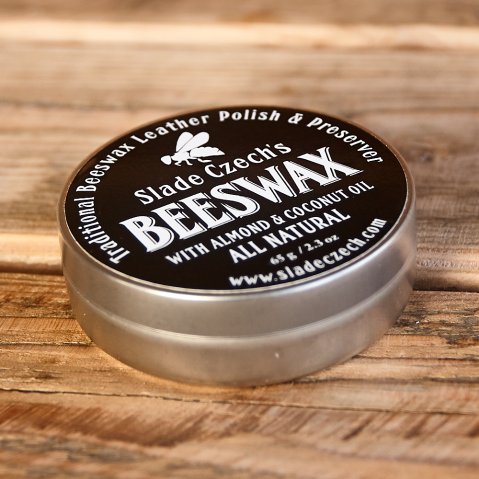
Leather faces moisture, dirt, friction, and temperature changes daily. Without protection, it dries out and loses flexibility. Beeswax helps maintain elasticity and slows down wear. It’s the difference between leather that ages well and leather that gives up early.
Should you use one collar for everything?
Not always.
A daily collar takes the most abuse. If you have one for everyday use and another for special situations, both last longer. One collar doing everything wears out faster. Simple math.
What collar is best for everyday use?
One that’s strong, well-fitted, and built for real life.
For daily wear, go with proven options like Hot Shot, or Renegade if you want an ID plate. For stronger dogs, Viking is the logical choice. It’s not about looks. It’s about what holds up day after day.
Practical factors that affect collar durability
- Solid leather – holds shape and doesn’t fail quickly.
- Correct width – distributes pressure and reduces stress points.
- Quality hardware – weak buckles fail first, always.
- Proper fit – too tight or too loose shortens lifespan.
- Cleaning – dirt and moisture slowly break materials down.
- Leather protection with Beeswax – keeps leather flexible and durable.
- Dog type – puppies, average dogs, and strong dogs need different setups.
Common mistakes
Choosing based only on looks. It might look great online. Real life decides fast.
Using a narrow collar on a strong dog. It looks sharp, but takes unnecessary stress.
No maintenance. Wet, dirty, dried too fast—leather remembers that.
Ignoring wax. Beeswax is often overlooked but makes a real difference.
Overloading puppies with heavy collars. Small dogs don’t need armor.
And the classic street moment—dog lunges, owner reacts, collar takes the hit. That’s the real test.
Expert perspective
In practice, collar lifespan isn’t just about leather. It’s about how everything works together—construction, width, fit, dog behavior, and care.
A common issue is choosing based on first impression. But collars are tested in rain, tension, dirt, and daily repetition—not on a table.
With strong dogs, wider and sturdier collars consistently last longer. And leather care isn’t optional. Wax-treated leather behaves completely differently over time.
One simple truth: your dog tests the gear instantly. No excuses.
Who this is for
- Owners who want a collar for real daily use.
- Dogs that pull and need solid gear.
- Puppies – best start with Baby Doll.
- Everyday use – classic Hot Shot.
- With ID plate – Renegade.
- Strong dogs – wider Viking.
- Anyone wanting longer lifespan through care – Beeswax.
Final summary
A collar’s lifespan isn’t luck. It’s a mix of material, construction, fit, usage, and care. Choose the right type for your dog, and it will last.
Start light for puppies, go solid for daily use, go wider for strong dogs. And don’t ignore maintenance.
Good leather doesn’t need miracles. Just basic care and the right choice from the start.
When your dog stops noticing the collar, you know you got it right.
Frequently asked questions
How long does a leather dog collar last?
Several years if it’s well-made and properly maintained.
Does leather wax really help?
Yes. Beeswax protects leather and extends its lifespan.
How often should I check the collar?
Regularly. Focus on bends, holes, and hardware.
Is a wider collar better for strong dogs?
In most cases, yes. It distributes pressure more evenly.
Should a puppy have a long-term collar?
No. Puppies grow fast, so the first collar should fit the current stage.
When should I replace a collar?
When it cracks, deforms, or loses reliability.
Featured Dogs