How Wide Should a Dog Collar Be? The Right Width for Every Dog Size

Short answer:
The right dog collar width is the one that stays stable on the neck, spreads pressure across a wider area, and matches the dog’s size, strength, and purpose of use. Small dogs usually do well with narrower collars, medium and strong dogs often need more width, and powerful breeds should not be handled in collars that look neat on a photo but fold under pressure in real life.
How wide should a dog collar be for your dog?
A good collar width is not chosen by guesswork. It should match the dog’s neck, head, movement, strength, and the kind of control you actually need. A tiny dog in a heavy collar looks swallowed by leather. A strong dog in a narrow collar is the opposite problem: the collar starts acting like a line instead of a stable band.
In practice, that matters fast. The dog sees a pigeon, shoots forward, and the collar turns almost 90 degrees. Suddenly all the pressure goes into one narrow strip. That is not just ugly handling. It is a practical problem. The collar moves more, control gets dirtier, and the dog feels sharper pressure in one place instead of even support.
If you are comparing collar types as well as width, it helps to first understand what actually holds when a dog pulls hard. Width helps, but construction still decides whether the collar behaves or turns into leash chaos.
Why does collar width matter so much?
Because width changes how pressure is distributed and how stable the collar feels on the neck.
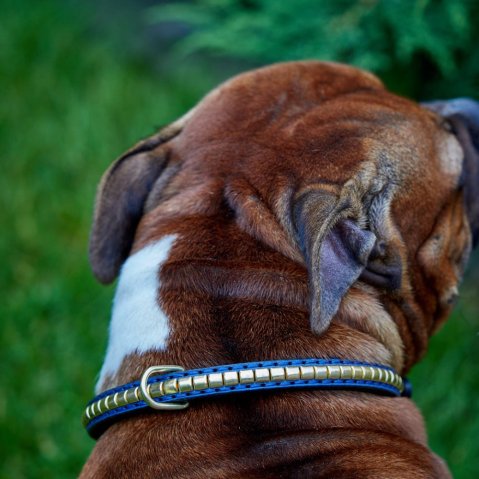
A wider collar usually spreads force better, twists less, and sits more calmly when the dog leans into the leash. A very narrow collar may still be fine for a light dog with soft handling, but on a muscular dog or a dog that hits the leash with intent, it can become nervous, unstable, and too sharp in feel.
This is the classic trap: something looks elegant in the product photo, but in daily use it behaves like a wire with a buckle. Nice for the eye. Less funny when your dog decides that a cat across the street is today’s life mission.
What width works for small dogs?
Small dogs usually need a lighter, narrower collar, but not a flimsy one.
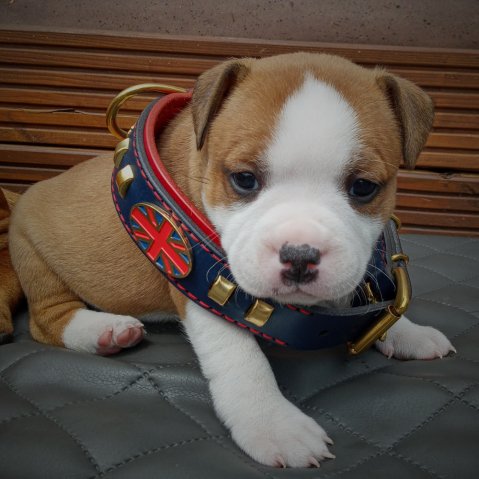
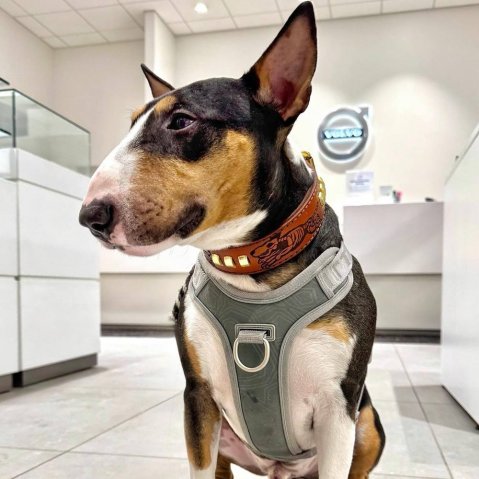
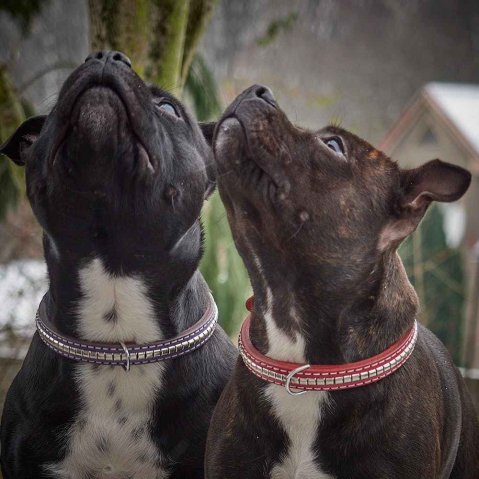
For toy and small breeds, the goal is balance. The collar should not look bulky or weigh the dog down, yet it still has to sit cleanly and not wobble around the neck. A narrow but properly made collar can work very well here, especially if the dog does not pull hard and the neck is delicate.
The mistake is assuming “small dog” means “paper-thin collar.” If the collar is too thin and soft, it may rotate, bunch up, or sit awkwardly. Even a smaller dog benefits from structure. Width is relative. It should look proportionate, not tiny for the sake of looking delicate.
What width is better for medium and strong dogs?
For medium and stronger dogs, a wider collar is often the safer and more practical choice.
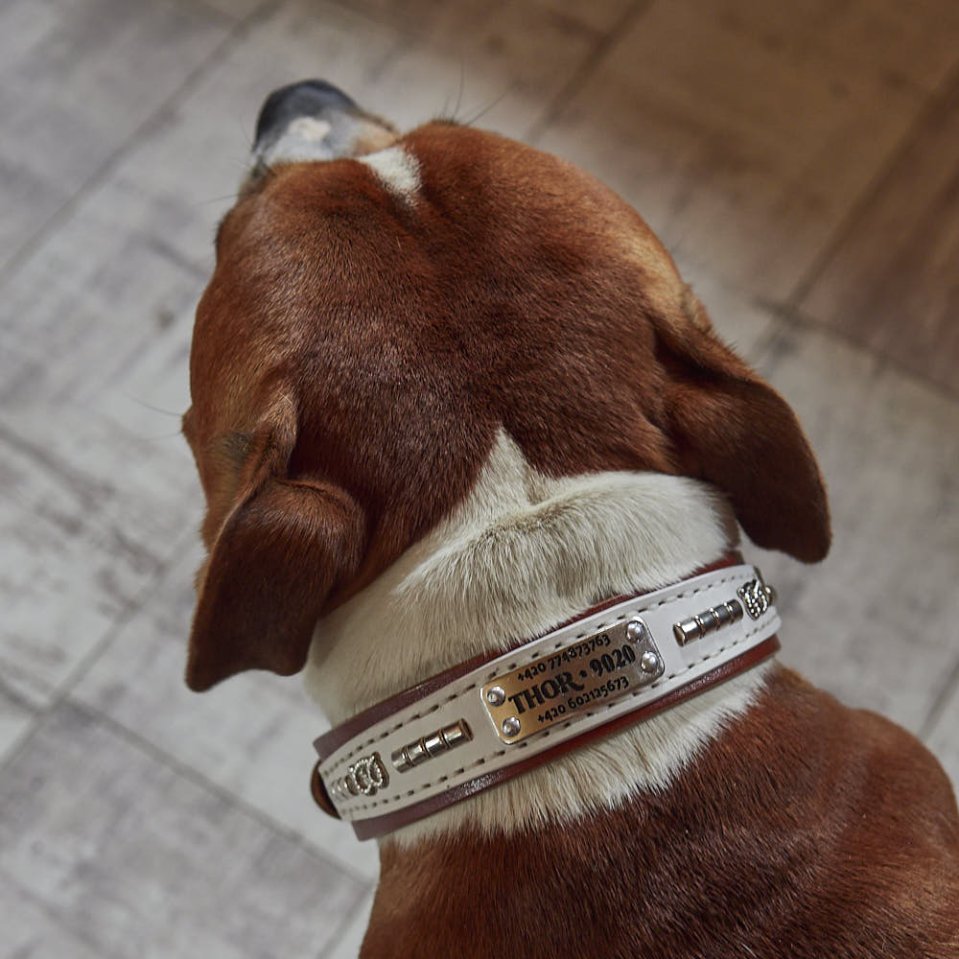
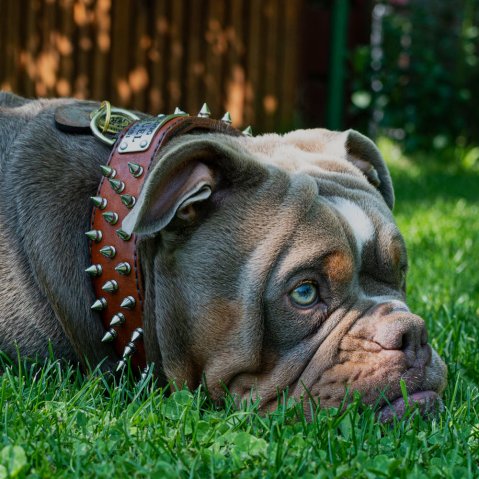
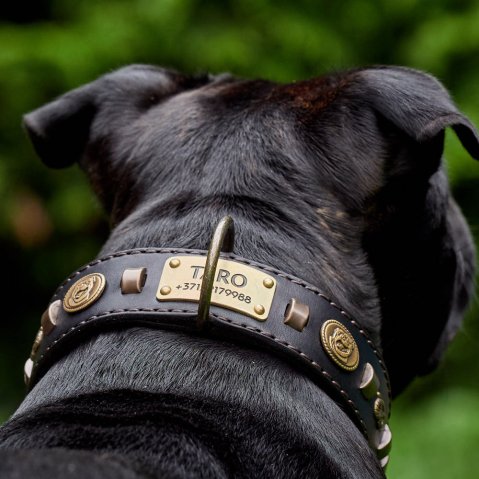
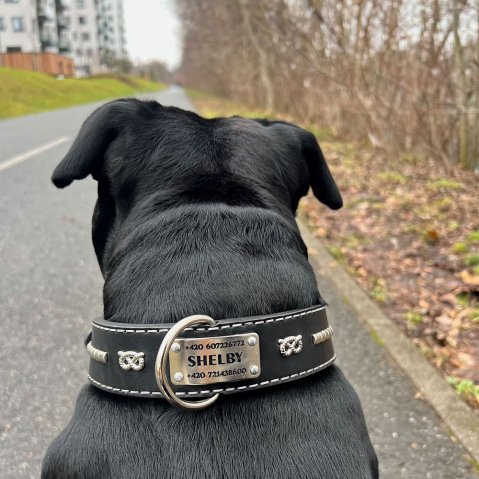
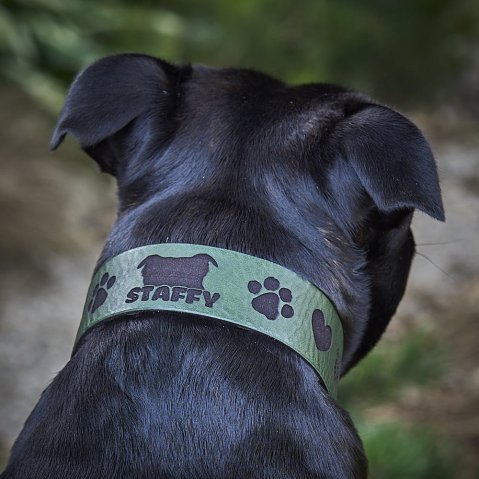
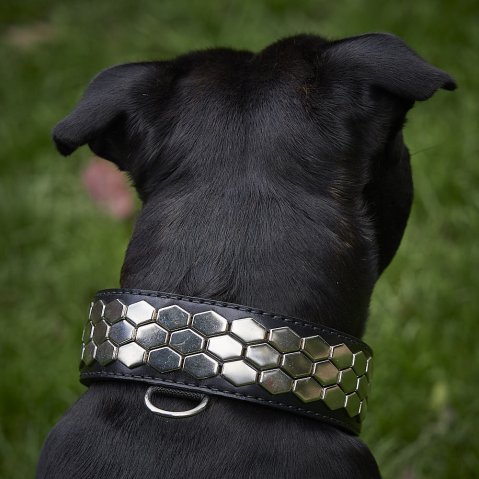
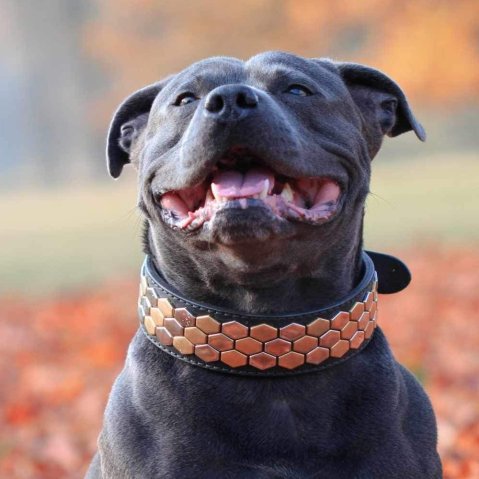
Once you move into dogs with more neck strength, more chest drive, or a habit of leaning into the leash, extra width starts paying rent. The collar stays flatter, pressure is spread more evenly, and handling becomes less twitchy. This is especially relevant for stocky dogs, bull-type breeds, and dogs that can go from calm walk to full-body pull in one blink.
If you want a classic leather option that makes sense in this category, a structured model like the King’s Colours classic collar works well where you want a stable everyday collar with more presence on the neck. For dogs that suit a slightly cleaner classic line, the Django classic collar fits the same logic: proper leather, proper body, and no floppy nonsense.
When is the problem not the type of collar, but the width?
Very often.
People sometimes think they need a different collar system when the real problem is that the current collar is simply too narrow, too soft, or too small in overall structure. If the collar digs in, rolls, leaves a narrow pressure line, or feels unstable during normal walking, width may be the first thing to fix before changing the entire setup.
If your dog is compact, strong in the neck, or built like a walking kettlebell, read how to choose a collar for a Staffordshire Bull Terrier. The same logic helps with many strong, short-necked dogs: not everything narrow is elegant, and not everything wide is too much.
Quick decision guide
- If your dog is small and light: choose a narrower collar, but keep enough structure so it does not fold or wobble.
- If your dog is medium, muscular, or pulls at times: go wider and firmer for better pressure distribution and calmer handling.
- If your dog backs out, braces hard, or needs more control: a half check can make more sense than just changing width. The Bucephalus half check collar belongs in that conversation.
- If the collar is mainly for the show ring: width follows presentation and movement, not the same rules as daily walking. That is where the Bowline show set or Hangman’s Knot show set make sense.
- If you are unsure: solve width and construction first, then decide whether you also need a different collar type.
When does a half check make more sense than a wider classic collar?
When the dog tends to reverse out, power up against the leash, or needs a collar that gives cleaner control without staying tight all the time.
A wider classic collar is brilliant for many dogs, but it does not solve every handling scenario. If the issue is not just pressure but security and control in motion, then a half check can be the smarter route. The point is not “more harsh.” The point is clearer communication and better management when the dog becomes a bit too creative.
Does a wider collar protect the neck better?
Often yes, when it is correctly sized and properly built.
A wider collar usually spreads force across more surface area, which can reduce that harsh single-line pressure effect. But width alone is not magic. Bad sizing, weak leather, soft structure, or poor hardware can ruin the benefit. If this is your main concern, the deeper answer is in our article about wide collars and neck safety.
Common mistakes
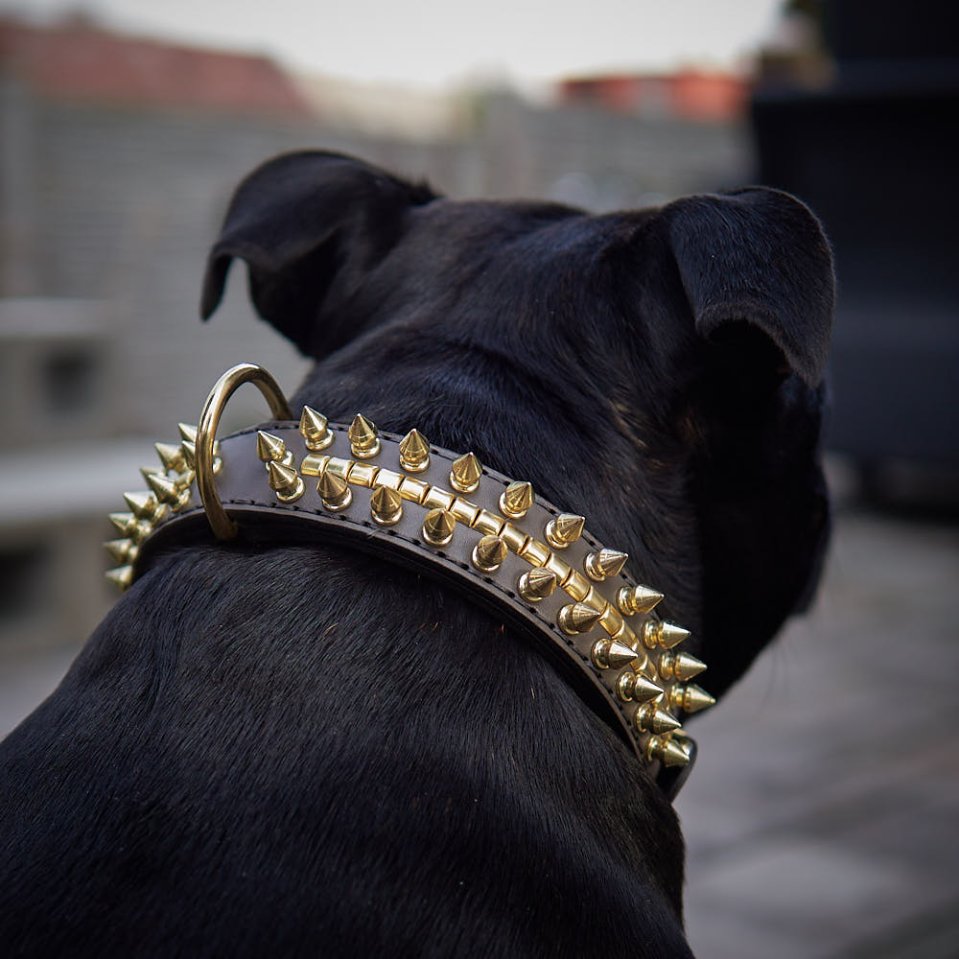
The most common mistake is choosing width by appearance alone. Slim collars can look refined, but on a stronger dog they often twist, ride up, and cut into one line when the dog pulls. Another mistake is overcorrecting the other way and putting an overly bulky collar on a small dog just because “wider must be better.” It is not. Proportion still matters.
People also confuse show equipment with everyday walking gear. A show set has a different job: presentation, line, elegance, controlled handling for the ring. It is not the same category as a daily collar for a dog that might suddenly launch sideways after a squirrel. Pretty and practical are cousins, not twins.
Expert view
From real use, the right collar width is the one that stays readable in motion. You can see it in seconds. A good collar sits flat, stays balanced, and does not fight the dog’s neck shape. A bad width starts talking back immediately: it rolls, pinches, shifts, or turns the lead line messy.
This is where the difference between “looks good” and “works properly” becomes brutally obvious. Leather can look beautiful and still be wrong for the dog in front of you. The sweet spot is not the thinnest collar, not the widest brick, but the width that keeps control clean when the walk stops being polite.
Who this matters for
- Owners of strong, compact dogs: width can change control more than people expect.
- Handlers of dogs that lunge or brace: collar stability matters the moment the leash goes tight.
- Show people: width affects line, presentation, and what the dog looks like in motion.
- Anyone replacing a twisted, narrow, or unstable collar: the fix may be width before anything else.
Final summary
The right collar width depends on size, strength, neck shape, and purpose. Small dogs usually need proportion and lightness. Stronger dogs often need more width and more structure, not more decoration. If the collar twists, digs in, or turns one pull into a wrestling match, the width is probably wrong. A good collar should not just sit on the dog. It should hold its line when the dog loses his.
Frequently asked questions
Is a wider dog collar always better?
No. A wider collar is often better for medium, strong, or hard-pulling dogs, but it can be too much for very small dogs. The goal is balance, not maximum width.
How do I know my dog’s collar is too narrow?
If it twists, digs into one line, looks unstable, or feels sharp when the dog pulls, it is probably too narrow or too soft for that dog.
Can a classic collar be enough for a strong dog?
Yes, if it has the right width, solid construction, and proper sizing. Many strong dogs do very well in a well-made classic collar.
When should I choose a half check collar?
When your dog backs out, braces hard, or needs clearer handling than a standard collar gives in motion.
Are show collars the same as everyday collars?
No. Show collars and show sets are made for ring presentation and controlled handling, not for the same daily demands as a walking collar.
Featured Dogs