How Are Leather Belts Made? From Raw Hide to a Belt That Actually Holds
Short answer:
Leather belts are made by selecting solid leather, cutting the strap to width and length, shaping the buckle end, punching clean holes, finishing the edges, attaching dependable hardware, and checking how the belt behaves in real wear. The difference between a belt that lasts and one that quits early usually comes down to the leather itself, the construction, and the finishing.
How are leather belts actually made?
A leather belt is made in a sequence that sounds simple on paper and gets brutally honest in practice: choose the leather, cut the strap, shape the buckle end, prepare the fold, punch the holes, finish the edges, fit the buckle, and check the final line. That is the clean version. The messy truth is that a belt can look sharp in a product photo and still turn floppy after a few months if the leather is weak, the holes are badly placed, or the buckle area is rushed.
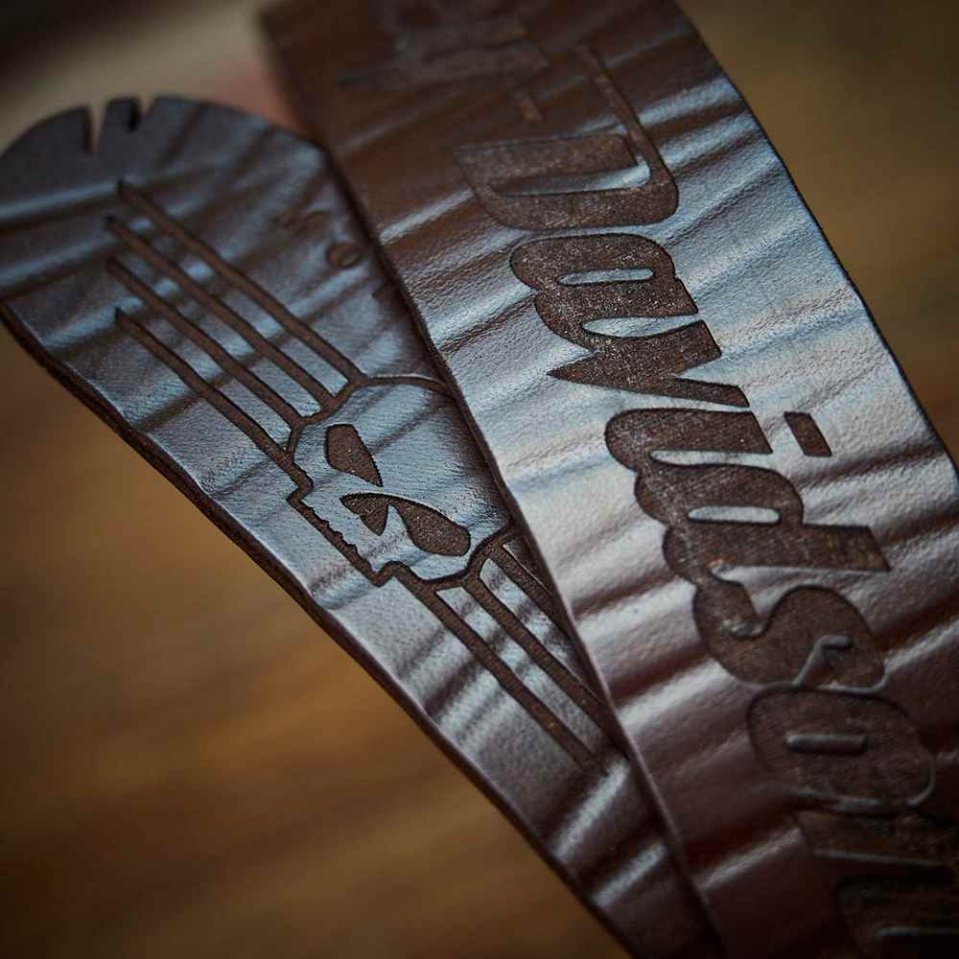
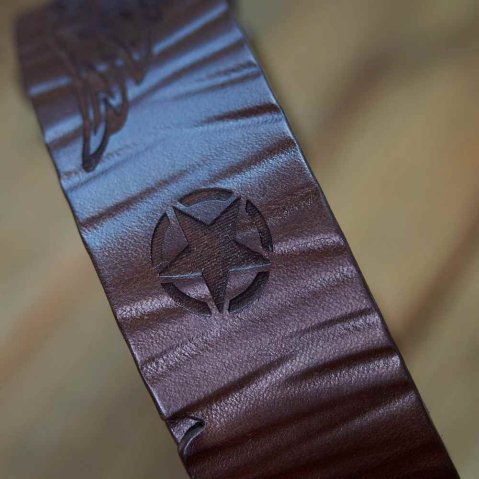
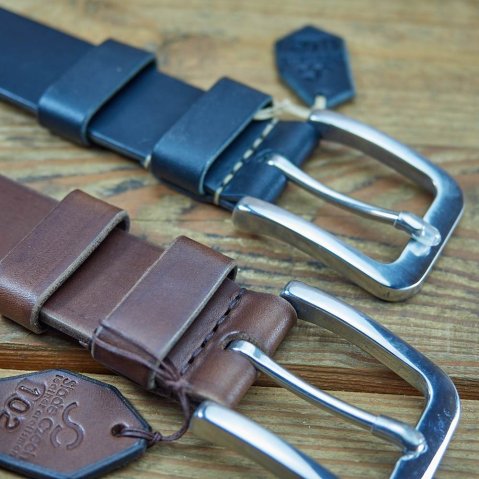
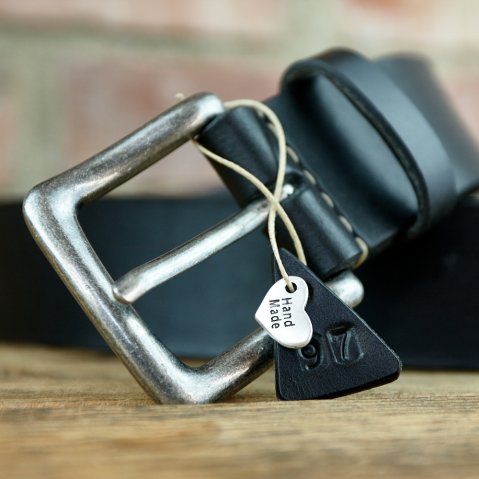
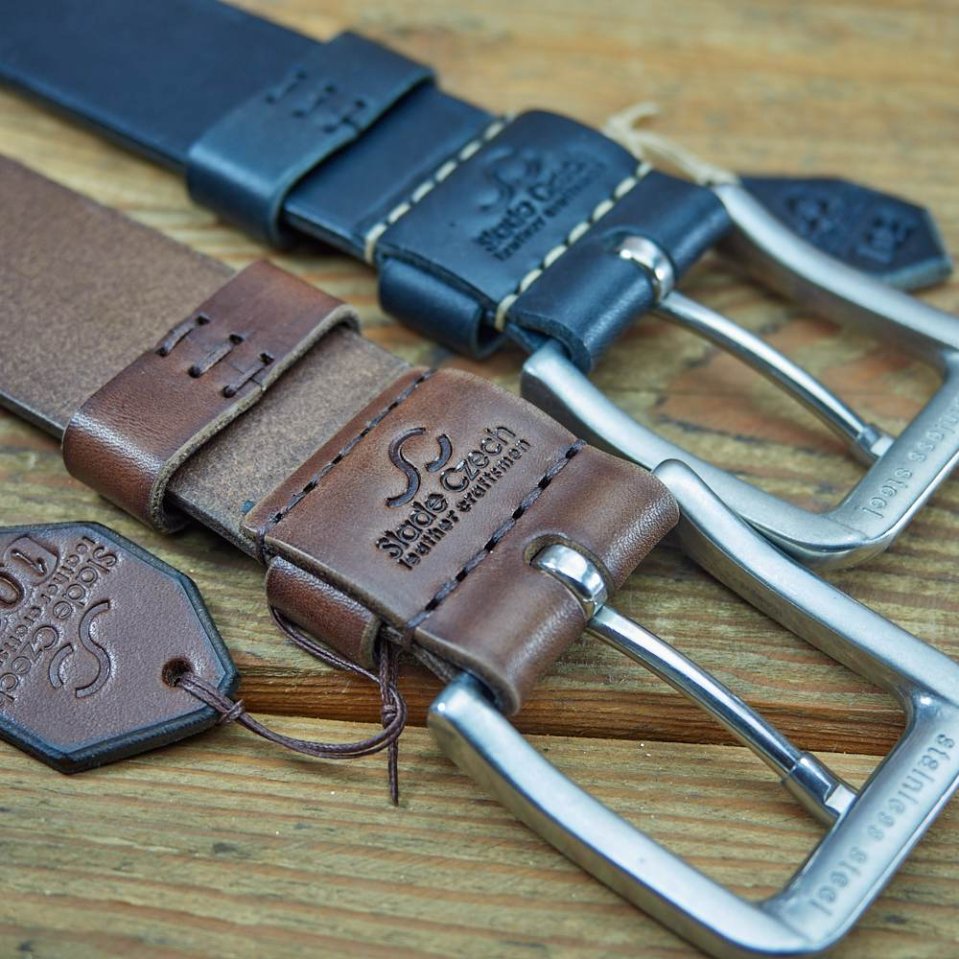
The first giveaway is always the material. If the strap starts stretching around the holes, rolling at the edges, or collapsing under daily wear, the problem did not begin in your wardrobe. It began at the workbench. That is exactly why a belt such as No Witness Belt makes sense in this conversation. It is built around thick cowhide and a clean, no-noise construction, so the point is not decoration first, but a strap that keeps its backbone when worn all day.
What is the first step in belt making?
The first step is choosing the right leather.
Not all leather behaves the same. A belt needs material that can take repeated bending, pressure at the holes, and constant friction against denim or trousers without turning soft in the wrong places. Cheap layered material may look fine at first glance, but real daily wear exposes everything fast.
How is the belt strap cut and shaped?
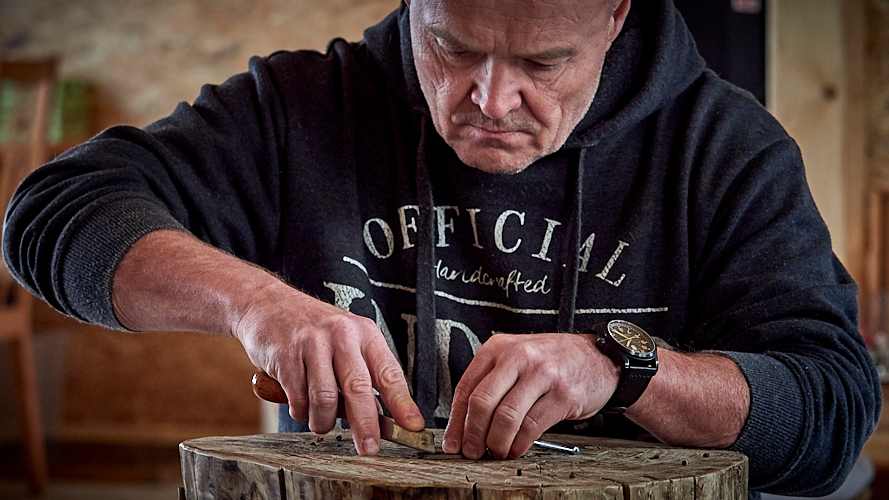
The leather is cut into a long strap of a specific width and then shaped at both ends.
One end is prepared for the buckle fold, the other is finished into the visible tip. This is where proportion matters. Too narrow, and the belt can feel weak. Too soft, and it loses its line. Too rough at the cut, and the whole piece already feels second-rate before the buckle even goes on.
Why are holes and buckle placement so important?
Because this is where weak belts start confessing their sins.
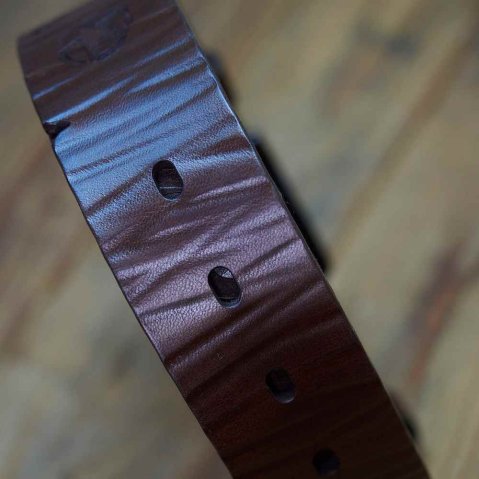
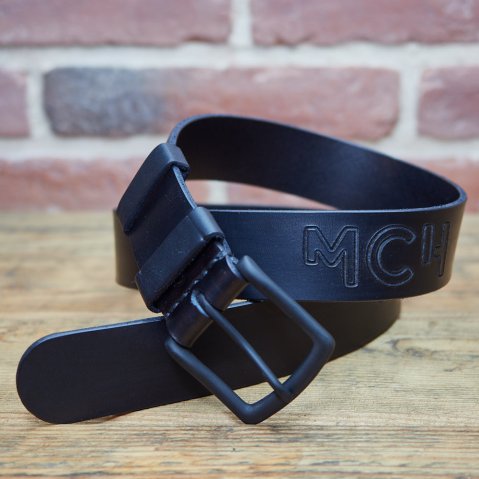
If the holes are badly spaced or the leather is too soft, the belt stretches unevenly and the clean look disappears fast. The buckle end must also be secure under tension, because that part takes repeated stress every single day. A belt like the Identity Belt shows how structure and personal detail can work together without turning the piece into a gimmick. The monogram adds identity, but the belt still has to behave like a belt first.
What happens after cutting and punching?
The edges are finished, smoothed, and protected so the belt feels clean in use.
This step changes more than people think. Raw, lazy edges start looking furry, rubbing clothing, and making the whole belt feel cheaper than it is. A properly finished edge slides through belt loops better, looks sharper, and holds up longer under daily abuse.
Can a belt be practical and still carry personality?
Yes, but only if the personality is built into the construction, not glued on top of it.
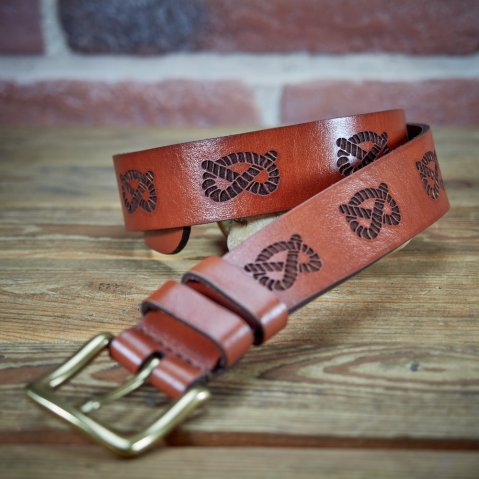
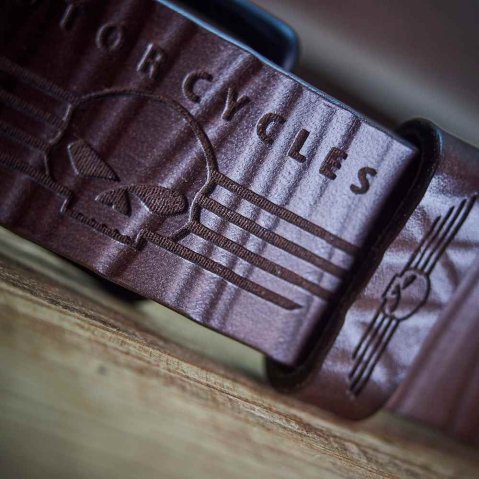
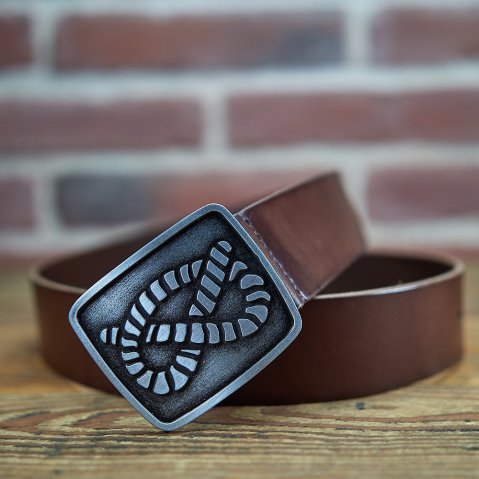
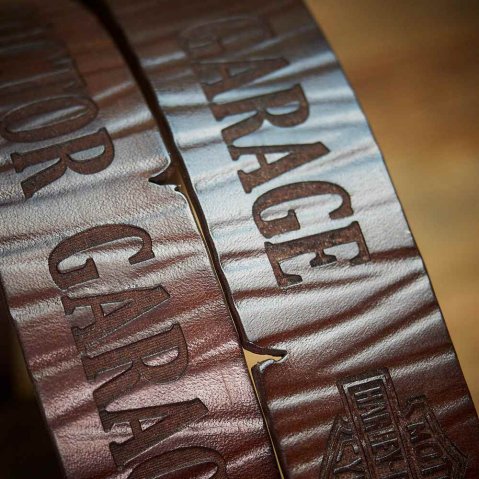
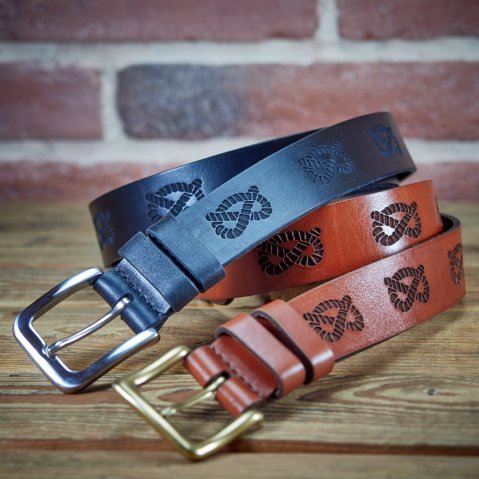
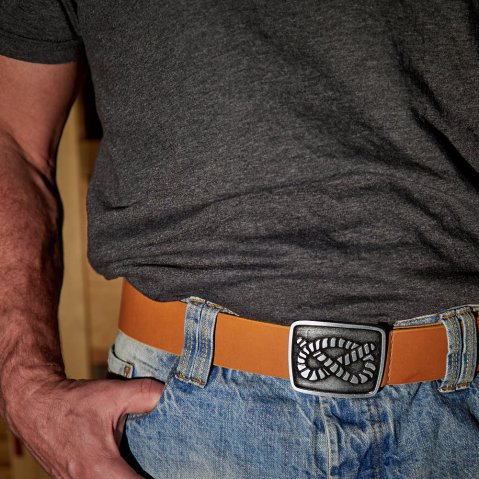
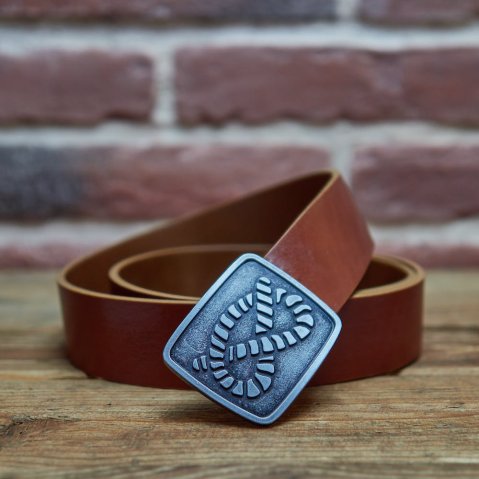
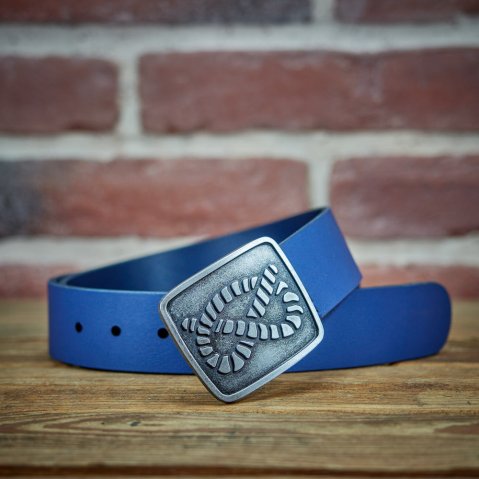
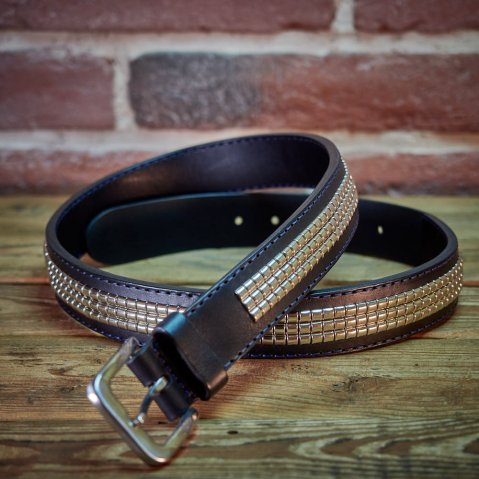
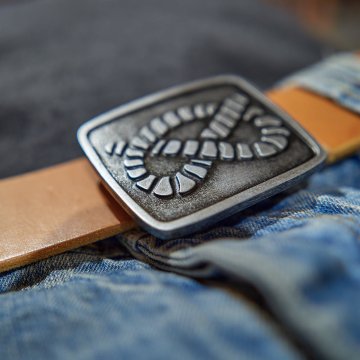
That is why belts with a clear visual identity work best when the leather and hardware still do the heavy lifting. The Coinage Belt uses Staffordshire knot embossing across the length, so the breed reference is readable, but it still works as an everyday belt rather than a costume prop. The Stafford Knot Belt pushes symbolism through the buckle while keeping the belt grounded in solid leather and long-term wear.
Common mistakes
- Choosing by photo only – a belt can look slick online and still feel dead in the hand.
- Ignoring the buckle area – that fold takes constant strain and exposes weak construction quickly.
- Underestimating edge finishing – rough edges age badly and drag the whole piece down.
- Thinking decoration can replace structure – it cannot. Nice detail on weak leather is still weak leather.
Expert view
From a workshop perspective, belt making is less about theatrics and more about discipline. Straight cuts, stable material, accurate hole placement, clean finishing, and hardware that does not feel like an afterthought — that is where the real difference lives. A proper belt should not need excuses after a season. It should simply keep doing its job.
Who this matters for
- People who wear one belt often and want it to age with dignity, not collapse on schedule.
- Those who care about construction, not just the first good photo.
- Owners and fans of Staffordshire Bull Terriers who want their belt to carry breed identity without turning into novelty fluff.
- Anyone buying a belt as a gift and hoping it will still look right after real use, not just on day one.
Final summary
A leather belt is really made through material choice, precise cutting, careful shaping, strong assembly, and finishing that survives daily wear. The nice part is the look. The serious part is whether the belt still holds its line after months of tension, bending, and friction. That is where honest leather shuts the noisy belts up.
Frequently asked questions
What leather is best for a belt?
Solid, durable leather that keeps shape under daily stress is the best choice for a belt.
Why do some belt holes stretch so fast?
Usually because the leather is too soft, layered, or poorly finished around the stress points.
Does stitching automatically make a belt stronger?
No. Stitching helps only when the base material and overall construction are already sound.
Can a personalized belt still be practical?
Yes. Personalization works well when it is built into a properly made belt rather than added to hide weak construction.
Are decorative belts good for everyday wear?
They can be, but only if the decoration does not come at the expense of leather quality, structure, and reliable hardware.
Featured Dogs