My Dog Chewed It Up. Now What? And How Do I Stop a Repeat?
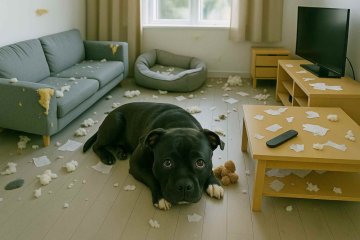
You come home, shopping bag in hand, and your furry sidekick is there to greet you. But… something’s off. The smile on his face says, “So glad you’re back!” but those eyes confess, “You might be in for a little… um… surprise.” You turn around—and there it is: the once-proud shoe now looks like chewing gum after a school recess free-for-all. The lamp cord? Minimalist version—minus the lamp. And that favorite leather collar? Dissected like it’s ready for anatomy class.
No need to panic or Google “how to train a dog in five minutes.” You’ve got teeth too, you just don’t use them on handbags—dogs are simply dogs, and they have their reasons. Here’s how to figure out why it happened, what to do about it, and most importantly—how to make sure it doesn’t happen again.
Why your dog turns into a four-legged wrecking ball
1. Puppy exploration mission
Puppies are like tiny archaeologists—except instead of a brush, they use teeth. The world is full of new shapes, smells, and tastes. Chewing helps them figure out what’s soft, what crunches, and what squeaks. Unfortunately, sometimes that includes your wallet or phone charger cable.
2. Boredom, a.k.a. “Netflix is overrated”
A dog with no stimulation will make his own fun. Some stare out the window; others binge-chew your slippers. Boredom is the silent killer of furniture.
3. Separation anxiety
For us, “I’m going to work” means a few hours away. For a dog, it’s “They’ve left me forever!” These drama kings (and queens) kill time by reshaping your stuff—and covering it with their scent to comfort themselves.
4. Teething
With puppies, it’s simple—new teeth coming in means itching and discomfort, and chewing brings relief. Carpet? Great. Your belt? Even better.
5. Hunting or chewing instinct
Some breeds (and certain personalities) just love to chase, tear, tug, and gnaw. It could be genetics—or just the thrill of something surrendering under their teeth.
First aid: what to do right after the “incident”
- Take a deep breath… and another – Keep emotions in check, or you’ll be speaking a language your dog won’t understand (and neither will Google Translate).
- Clear the debris – For tidiness, sure, but mainly for your dog’s safety. Screws, metal bits, or sharp splinters can be dangerous.
- No delayed punishments – If you catch him red-pawed, act. An hour later, the connection is gone—he’ll just be confused.
- Redirect – Give him something chew-approved: a bone, a sturdy toy, a special chew treat.
How to prevent a repeat performance
1. Stock up on legal “chew material”
Don’t skimp on toys. Get him a few tough rubber ones, some fabric ones, and even natural options (branches, antlers). The more variety, the less likely he’ll go for your stuff.
2. Wear him out… mentally and physically
A tired dog is a good dog. Long walks, fetch, training new tricks—anything to keep him busy reduces the risk of home demolition.
3. Safe space
Not sure you can trust him? Keep him in a room without shoes, cables, and pricey accessories. A crate or pen isn’t punishment—it’s a safe zone, like a kid’s bedroom.
4. Teach “no”
Short, clear commands. When he goes for a forbidden item, say “no” and immediately offer an allowed alternative. It works—but it takes patience.
5. Change the scent
Some owners swear by anti-chew sprays (smells or tastes dogs hate). A couple of spritzes on the table leg and you might avoid another “tooth-crafted design.”
When it’s about collars and leashes
A leather collar turned into jerky strips? That stings. But you can fix it—by choosing tougher construction, stronger stitching, or hardware that won’t quit. Here at Slade Czech, we craft collars so even if your dog has teeth like bolt cutters, it won’t be easy. And years later, they’ll still look sharp (unless your dog decides to “test” them… in which case, just call us and we’ll make a new one).
FAQ – Frequently Asked Questions
What if my dog chewed something dangerous (like electrical cables)?
Check immediately for injuries (burns, cuts) and contact your vet if needed.
How fast can I stop my dog from chewing things?
It’s all about a mix of training, exercise, and plenty of toys. Puppies might take weeks, adult dogs months—but results will come.
Should I punish my dog for chewing my stuff?
Not after the fact. Dogs won’t link a late punishment to the act. Act instantly or use prevention and reward the good stuff.
Should I give my dog old shoes to chew?
Better not—it teaches him all shoes are fair game. Dogs can’t tell the difference between a $2 flip-flop and a $200 designer heel.