One piece of Christmas candy. One ruined Christmas.
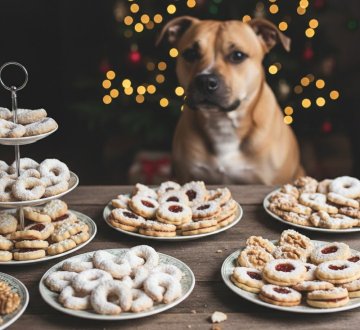
Short answer:
One piece of Christmas candy can cause serious trouble for a dog – from stomach pain and chocolate poisoning to a late-night trip to the vet. The Christmas table is a minefield for dogs, even if it looks harmless at first glance.
Now let’s break it down without sugarcoating it (literally) and in a proper, hands-on way.
Why is Christmas candy double trouble for dogs?
Candy is full of things a dog’s body simply can’t process. And it really doesn’t matter if it’s “just one small piece.”
- Chocolate – contains theobromine. Pure poison for dogs.
- Sugar and fat – the pancreas gets a Christmas heart attack.
- Nuts and raisins – silent killers that don’t forgive.
- Alcohol in icing – yes, even a drop counts.
Micro-summary: Candy isn’t a “small sin.” It’s a risk wrapped in powdered sugar.
“He just had a lick…” – the most common Christmas sentence before trouble starts
Vets hear this every Christmas. The dog licks something, tastes something, something falls on the floor… and suddenly, there’s a problem.
In our workshop, dogs are around us all the time. We test collars, leashes – everything is real life. And one rule always applies: food from the table = no-go. Not because of training. Because of health.
Micro-summary: When a dog starts “tasting,” it’s not cute. It’s a warning.
How do you know when something’s wrong?
Symptoms can appear quickly, but sometimes not until several hours later.
- vomiting, diarrhea
- restlessness, shaking, apathy
- abdominal pain, refusing food
- with chocolate, also a rapid heartbeat
If you feel that “this isn’t normal,” don’t wait. Vets don’t close for the holidays – unfortunately, they know this all too well.
Micro-summary: Hesitation is worse than a false alarm.
How to survive Christmas with a dog without stress (and without emergency visits)
It’s not about isolating your dog. It’s about setting simple rules.
- No candy within nose range
- A bin with a lid, not “just for a moment”
- Explain to visitors: no feeding
- Prepare a safe treat just for your dog
Your dog wants to be part of Christmas. Just not at the table.
Micro-summary: Prevention is cheaper than a midnight vet visit.
What to do if it already happened?
First of all, don’t panic – but act fast.
- Find out what and how much was eaten
- Don’t try old wives’ internet remedies
- Call your vet and follow their instructions
Every minute counts. And “it’ll pass” is a sentence that won’t save Christmas.
Micro-summary: Fast action = a better chance for a calm holiday.
A word from the Slade Czech workshop
This text wasn’t written from behind a desk. It’s written by the Slade Czech team – people who’ve been working with leather since 2004, have dogs around them every day, and test their gear in real-world conditions. We know how fast a calm day can turn into a real mess.
Christmas should be about peace, not IV drips. And your dog will thank you for protecting them in their own way – curled up by the fireplace, head resting on your boots.
FAQ – Christmas, dogs, and candy
Can a dog taste even a small piece of Christmas candy?
No. Even a small amount can cause health issues, especially if it contains chocolate, fat, or alcohol.
Is chocolate really that dangerous for dogs?
Yes. It contains theobromine, which dogs cannot break down. Even small amounts can be toxic.
What can I give my dog instead of candy at Christmas?
Safe dog treats or a small piece of unseasoned meat. Ideally something your dog is already used to.