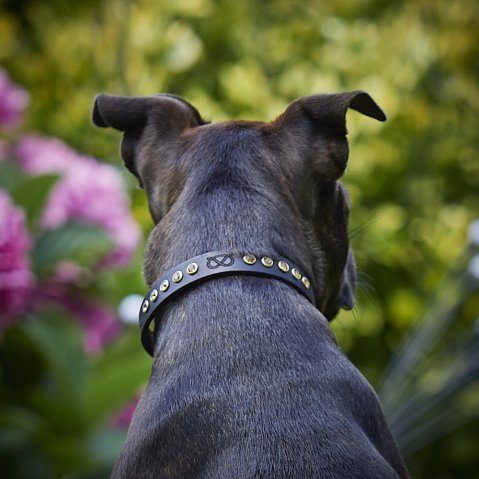
How to Choose a Leather Puppy Collar

Choosing the first puppy collar should prioritize lightness, softness, and adjustability to ensure the dog adapts to the gear without negative sensations. It is ideal to introduce a gentle collar between seven and nine weeks of age, with a crucial focus on regularly checking the fit so the growing puppy is never restricted or choked.
How to choose the first collar for your puppy?
A puppy's first collar is more than just an accessory; it is a vital tool for socialization and future training. The priority is to select a material that is lightweight and flexible so the puppy barely feels it, while ensuring the size is constantly adjusted to match the dog's rapid growth.
When to start and why it matters
Most puppies are introduced to a collar between seven and nine weeks of age. At this stage, it is not about leash training, but simply about getting used to the sensation of something around the neck. This first contact sets the tone for years to come. If the collar is too heavy, scratchy, or restrictive, the puppy may develop a lifelong resistance to being handled or leashed.
Introduction should happen in a calm home environment where there is no leash tension, allowing the collar to become a natural part of the puppy's daily life.
Material choice: Comfort over style
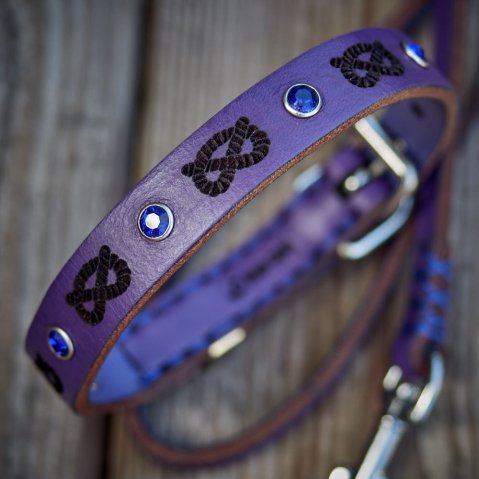
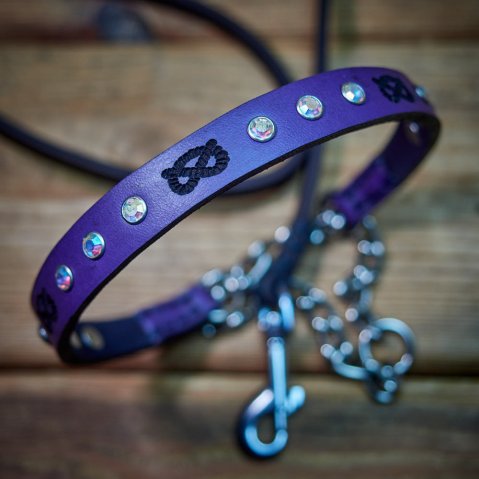
Stiff nylon straps with sharp edges or heavy metal buckles are unsuitable for a puppy's sensitive skin and soft fur. The first collar must be light and supple. High-quality leather is an excellent choice for this purpose—it does not harden over time but instead softens and shapes itself to the dog's neck through body heat and movement. The goal is for the puppy to be completely unaware of the collar.
Summary: The material must be flexible to prevent any rubbing or cutting into the puppy's delicate neck.
Proper measurement and growth room
Puppies grow in spurts, so it is necessary to check the collar fit at least once a week. You can identify a correctly fitted collar using the "two-finger rule": if you can comfortably slide two fingers under the fastened collar, it is safe and snug. If there is more room, the puppy might slip out. If there is less, the collar is too tight and could interfere with breathing or swallowing.
Common mistakes when choosing a first collar
- Buying for the future: Purchasing an adult-sized collar expecting the puppy to grow into it. This results in a heavy buckle and a wide strap that weighs the puppy down.
- Ignoring growth rates: Leaving the collar at a setting that fit a month ago. This leads to painful pressure sores and negative associations with wearing gear.
- Prioritizing aesthetics: Choosing a collar based solely on color or design without considering the weight and flexibility of the materials.
Expert Perspective from the Slade Czech Team
As the Slade Czech team, we have been specializing in handcrafted leather dog gear since 2004. Our expertise does not come from flipping through catalogs but from years of manual work in the workshop and direct interaction with dogs. We know that a puppy needs gear that doesn't hinder its exploration of the world. Our puppy sets are tested to meet the highest standards of softness while maintaining the artisanal durability that leather naturally provides.
Who is this solution for?
- Suitable for: Puppy owners who want to build a positive relationship between their dog and its gear from day one using quality natural materials.
- Unsuitable for: Those looking for a single "one-size-fits-all" collar that the dog will wear from two months through adulthood without replacement.
Frequently Asked Questions (FAQ)
When should a puppy start wearing a collar?
The ideal time for the first introduction is between 7 and 9 weeks of age, starting in a quiet home environment to build a positive habit.
How do I know if the collar is too small for my puppy?
A collar is too small if you cannot comfortably fit two fingers between the collar and the dog's neck. Due to rapid growth, you should check the fit weekly.
Is a collar or a harness better for a puppy?
A collar is better for initial habituation and guidance, while a harness is recommended for longer walks if the puppy tends to pull excessively.
Why choose a leather collar for a puppy?
Quality leather adapts to the shape of the neck, is soft, does not chafe, and provides maximum comfort due to its natural flexibility and durability.
Baby Doll Set of Lead and Collar for Puppies
Glamourpup Collar and Lead Set
Baby Name Puppy Collar and Lead Set
Swarovski Puppy Collar and Lead Set
Featured Dogs