When should a puppy start wearing a collar — and how do you choose the first one?
Short answer:
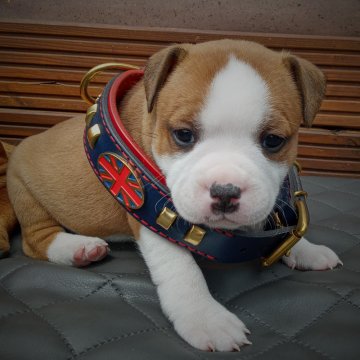
A puppy can start wearing a collar from around 8 weeks old, if the collar is light, soft and correctly sized. Start indoors for a few minutes, pair it with play or treats, and only later add the lead. The first collar should teach calm acceptance, not turn the puppy into a tiny rodeo horse.
When should a puppy start wearing a collar?
Most puppies can begin wearing a collar at about 8 weeks of age, but the collar must fit the puppy’s body, not your future plans for the dog. At this stage, the goal is simple: short sessions, no pressure, no pulling, no heavy hardware. The puppy should notice the collar, then forget it is there.
If you are choosing the very first setup, start with a soft puppy collar and lead rather than adult gear. For calm first walks, the Baby Doll puppy collar and lead set makes sense because it is made for light early handling, not force-based leash work. If you need a deeper guide to collar choice, continue with how to choose a leather puppy collar after this article.
How should the first collar fit?
The first collar should sit close enough that it does not spin around the neck, but loose enough to slide two fingers underneath.
The 5-second test is simple: if the collar rotates 90° when the puppy scratches, shakes or leans forward, it is too loose. If you cannot place two fingers under it, it is too tight. A bad fit shows itself fast — rubbing, twisting, chewing, or the puppy walking like someone attached a suspicious pancake to its neck.
What type of collar is best for a puppy?
The best first puppy collar is soft, lightweight, adjustable and built without rough edges or oversized fittings.
A puppy is still learning body awareness. When it jumps sideways at a leaf, freezes at a bicycle or tries to sit in the middle of the pavement, the collar should not punish that confusion. A simple leather set like Glamourpup collar and lead set is useful when you want the first gear to look neat but still stay practical for early leash manners.
When is a personalised puppy collar useful?
A personalised puppy collar is useful when you want the collar to help with identity, routine and first walks without adding unnecessary bulk.
For puppies that are learning their name, meeting new people or joining busy family life, the Baby Name puppy collar and lead set adds the puppy’s name while keeping the setup clear and functional. It is not a replacement for training or an ID tag, but it helps the collar feel like something made for one specific little troublemaker.
Should a puppy wear a collar all day?
No. A puppy should not wear a collar 24/7, especially at home, in a crate or during rough play.
Short wearing sessions are better in the beginning. Put the collar on before feeding, play or a tiny garden walk. Take it off before sleep or wild wrestling with another dog. Skin needs air, fur needs a break, and puppies have the survival instincts of a sock with legs.
When is a show-style puppy set worth it?
A show-style puppy set makes sense when the puppy is being introduced to presentation, handling or early ring habits.
For that situation, sparkle is not the main point. The puppy must learn to stand, move and accept gentle guidance without the gear stealing attention. The Swarovski puppy collar and lead set belongs in that lane: visual effect with a clear purpose, not a glitter bomb pretending to be training equipment.
Quick decision flow: what should you choose?
- If your puppy is just starting: choose a soft, light collar and short lead setup such as Baby Doll.
- If you want a smart everyday look: choose a neat matching set like Glamourpup.
- If name visibility matters: choose Baby Name and still add a proper ID tag where needed.
- If you are preparing for shows: choose a puppy show set, but keep the handling gentle.
- If the puppy pulls hard already: do not jump to harsher tools; first check width, fit and construction.
What often goes wrong with the first collar?
The most common mistake is buying gear that looks cute in the basket but fails in motion. A narrow, soft, weak collar can twist under even a small puppy’s pull. The pressure then runs into one thin line, the buckle shifts sideways, and the handler feels the lead jerk instead of guide. That is not just an ugly fit. It teaches messy leash habits from day one.
Pretty is easy. Practical is where the walk tells the truth. A collar that photographs nicely but spins, scratches or collapses under movement is decoration, not puppy equipment.
Common mistakes
- Starting with adult gear: heavy fittings drag on a small neck and make the collar feel annoying.
- Leaving too much room: a loose collar rotates, catches and encourages chewing.
- Using the lead too soon: if the puppy has not accepted the collar yet, the lead turns confusion into resistance.
- Choosing only by looks: shine does not help if the collar twists the moment the puppy leans forward.
- Ignoring growth: puppies grow fast; check the fit weekly, not “when it looks weird”.
Expert view
From a workshop point of view, the first puppy collar has a different job than adult equipment. It should not be stiff, overbuilt or dramatic. It should sit cleanly, transfer light pressure predictably and avoid sharp edges. Hand-finished leather matters here because the puppy feels every corner, every buckle position and every badly placed stitch sooner than an adult dog would.
If your puppy is a Staffordshire Bull Terrier or another strong breed, the first collar is only the beginning. As the puppy grows into real muscle, you will need to think about width, pressure distribution and stronger construction. That next step is covered in how to pick the perfect collar for your Staffordshire Bull Terrier.
Who is this solution suitable for?
- Puppies from around 8 weeks starting collar training.
- Owners who want calm first walks instead of leash chaos.
- Families teaching children how to handle a puppy safely; for that, read child and dog living together.
- Small and medium puppies that need soft, light and adjustable gear.
- Show puppies that need early handling without pressure.
Final summary
Start with the collar around 8 weeks, but keep it light, short and positive. The first collar should teach trust, not resistance. Choose soft construction, correct size and a lead that lets you guide instead of wrestle. If the collar spins, bites or feels like a tiny neck anchor, change it before the puppy learns bad habits. The first collar should not win a fight — it should prevent one from starting.
Frequently asked questions
Can an 8-week-old puppy wear a collar?
Yes, if the collar is light, soft and introduced for short sessions.
How tight should a puppy collar be?
You should fit two fingers between the collar and the puppy’s neck.
Should a puppy sleep with a collar on?
No, it is safer to remove the collar during sleep, crate time and rough indoor play.
What is the best first collar for a puppy?
A soft, adjustable leather collar with small fittings is usually the best first step.
When should I replace my puppy’s collar?
Check weekly. Replace it when you reach the last hole, it starts rubbing, or it rotates too easily.