Which Collar Works Best for a Dog That Pulls?
Short answer:
If a dog tends to pull on the leash, a wider and firmer collar usually works better than a narrow, soft one. It spreads pressure across a larger part of the neck, stays more stable, and helps reduce that full-body forward lean that turns every walk into a tug-of-war.
Which collar works best for a dog that pulls?
For many dogs that pull, the best starting point is a wider leather collar with a firm build and reliable hardware. Not because it looks tougher, but because it behaves better in motion. When a dog suddenly throws weight forward, the collar should stay steady, not fold, twist, or cut into one narrow line of pressure.
If you are deciding between a classic collar and a tightening option, do not start with “what looks strongest.” Start with width, construction, and how your dog actually moves on the leash. And if you want to understand what really matters under load, it helps to read what actually holds when the pull hits hard before you jump straight to a harsher setup.
Why does a wider collar usually work better?
A wider collar usually works better because it spreads force over more surface area. That means less sharp pressure in one thin line and a more stable feel on the neck.
In real life, you notice it fast. A narrow collar can rotate, dig in, and end up sitting crooked after one strong lunge. A wider one tends to stay in place better. That matters when your dog sees another dog, locks in, and suddenly leans into the leash with chest, shoulders, and neck all at once.
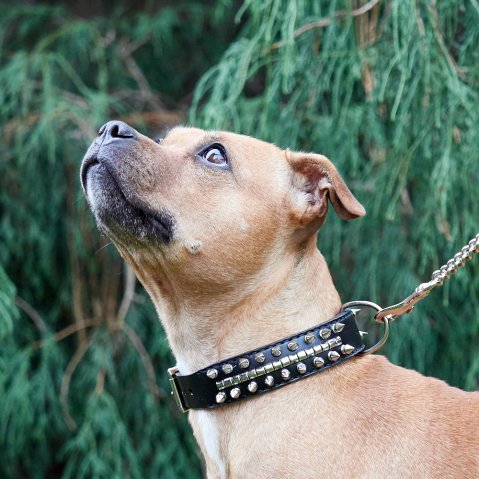
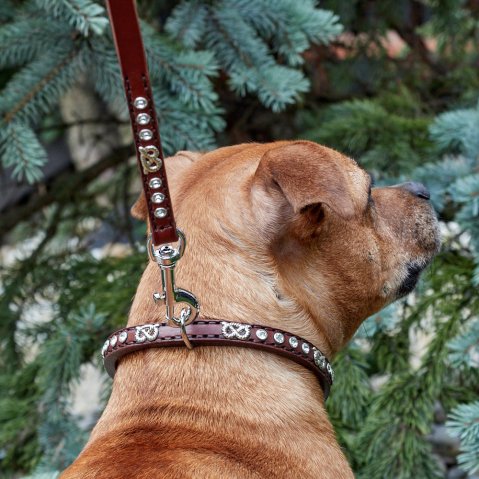
This is where a model like the Buffalo collar makes practical sense. It is not about decoration. It is about a broader, more substantial build that gives the neck a cleaner contact surface when the dog loads into the lead.
What usually fails first when the collar is wrong?
The first problem is often not a dramatic break. It is instability. The collar twists 90 degrees. Pressure goes into one edge. The dog keeps driving forward, and your control gets messy.
That is the five-second test. If the collar turns, folds, or starts acting like a rope with a buckle, something is off. A weak collar does not have to snap to be a bad choice. It only has to lose shape the moment the dog commits weight into it.
This is also why “looks good on a photo” and “works when the dog explodes forward” are two very different games. Slim collars can look clean and elegant. But when the leash goes tight and the dog hits the end hard, pretty can get very useless, very quickly.
Is the problem always the type of collar?
No. Very often the real issue is not classic collar versus half check. It is width, size, stiffness, and overall construction.
People sometimes switch types too fast. The dog pulls, so they assume they need something more corrective. But in plenty of cases, the classic collar itself is not the problem. The problem is that it is too narrow, too soft, too light, or too flimsy for the dog in front of them.
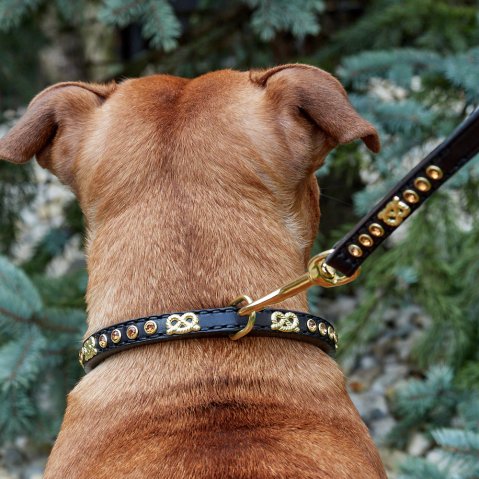
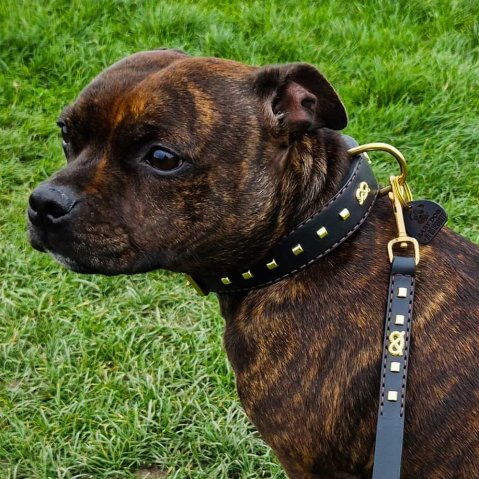
If your dog wears a basic collar daily and you want a firmer classic option that still keeps a clean profile, a piece like the Hexagon classic collar fits that conversation far better than a random fashion collar with weak structure.
When does a half check collar make sense?
A half check makes sense when the dog backs out of standard collars, when the neck is hard to fit securely, or when you need more controlled guidance without going into a full slip setup.
It is not the automatic answer for every dog that pulls. If the dog simply loads forward because the collar is too narrow or too unstable, switching straight to correction misses the point. First solve fit and build. Then decide whether you truly need a different mechanism.
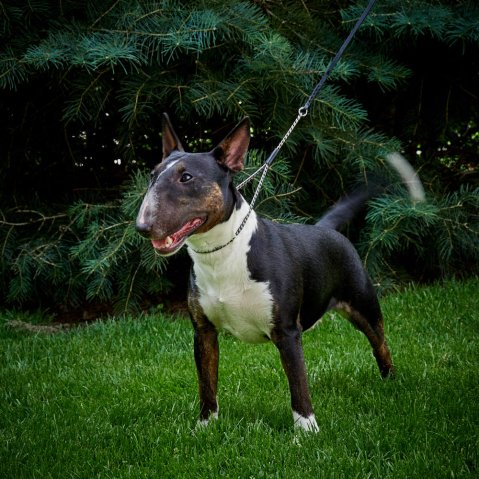
For dogs that lean, brace, or have a habit of slipping backward out of a regular collar, a structured option like the Tough Guy Choker Half Check Collar can be a practical next step. Used properly, it is about cleaner control, not drama.
Decision flow: what should you choose?
- If your dog pulls forward but stays secure in a regular collar: start with a wider, firmer classic leather collar.
- If the collar twists, cuts in, or feels too soft: solve width and construction before changing collar type.
- If your dog slips backward or is hard to keep safely fitted: a half check may make more sense.
- If you are still unsure: first evaluate width, stability, and hardware, then compare mechanisms.
Does leather really make a difference?
Yes, if it is good leather and the collar is built properly. Leather with real body tends to sit more calmly on the neck than many soft synthetic collars that flatten, twist, or feel dead too quickly.
That does not mean every leather collar is automatically right. Soft fashion leather with weak lining can still fail the practical test. But a proper leather build gives you structure, durability, and a more stable response when the dog hits the lead with intent.
If you want a style that still belongs in real use, not just on a product photo, the Vintage Paws approach makes sense for dogs that need substance without losing that classic look.
What if the dog seems to hate the collar?
Then the issue may be comfort, fit, pressure points, or bad associations rather than pulling alone. Some dogs fight the collar because it pinches, rotates, or keeps bothering them in motion.
If that sounds familiar, it is worth reading why some dogs hate collars and how to help them love them. Sometimes the problem is not attitude. Sometimes the collar has simply been annoying the dog every single walk.
Common mistakes
- Choosing narrow over stable. A slim collar may look neat, but under real pulling it can create sharper pressure and less control.
- Going straight to correction. Many owners change mechanism before fixing width, fit, and firmness.
- Buying by appearance alone. Good-looking hardware means nothing if the collar folds, twists, or wears out too fast.
- Ignoring lifespan. A collar for a strong dog is not a forever object if materials and construction are weak. If you want to judge long-term value better, read how long a dog collar really lasts.
Expert view
From a practical gear perspective, the biggest difference is rarely “fancy versus simple.” It is whether the collar keeps its shape when the dog loads into it. That one detail changes pressure distribution, control, and how predictable the walk feels in your hand.
We see it again and again: dogs that are not especially wild still feel harder to handle in weak collars because the gear itself goes soft, crooked, and inconsistent. A collar should not become the unstable part of the system. When the dog decides to test your arm, the equipment should stay honest.
Who is this solution suitable for?
- Dogs that lean forward hard once the leash gets tight.
- Owners who want steadier handling without jumping straight to harsher tools.
- Strong breeds and compact muscular dogs that can load surprising force into the lead.
- Dogs whose current collar twists, digs in, or looks tidy only until real pressure starts.
Final summary
For a dog that pulls, a wider and firmer collar is often the smarter first move than a narrower or softer one. The key is not just the collar type, but how it spreads pressure, holds shape, and behaves once the dog commits weight forward. If the collar twists, folds, or bites into one line, it is telling on itself. Good gear should not panic before you do.
Frequently asked questions
Is a wide collar safer for a dog that pulls?
In many cases, yes. A wide collar usually spreads pressure better and stays more stable than a narrow one.
Should I choose a half check collar for every pulling dog?
No. First check width, fit, and structure. Many dogs do better simply in a stronger classic collar.
How do I know the collar is too weak?
If it twists, folds, digs into one edge, or feels unstable as soon as the dog pulls, it is likely too weak for the job.
Does leather help with control?
Good leather can help because it often keeps shape better, sits more steadily, and handles pressure more cleanly than flimsier materials.
What matters more: collar type or collar width?
For many pulling dogs, width and construction matter first. The mechanism matters too, but not before fit and stability.
Featured Dogs