How Stitching Works on Dog Collars and Why It Matters
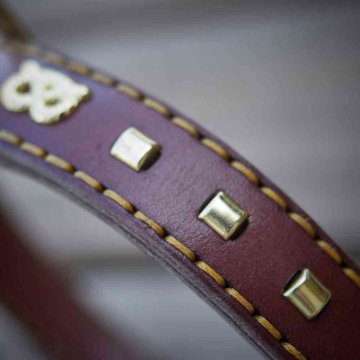
Stitching on a dog collar usually fails before the leather itself. Not because it’s poorly made, but because it carries most of the load — pulling, micro-movements, and sweat. When stitching gives way, the collar loses function and safety, even if the leather itself is still in perfect condition.
Why does stitching fail before leather?
On a quality leather dog collar, leather is rarely the weakest point. Quite the opposite. Long-term stress is carried mainly by the stitching — an understated but critical element that decides whether a collar holds… or fails at the worst possible moment.
Stitching carries the load, leather carries the shape
Leather acts as a stable structural base. Stitching holds the construction together. Every leash pull, every head turn, every short jerk transfers force directly into the thread. And that force is constant — even when you don’t notice it.
The micro-movements you don’t see
Dogs don’t move smoothly. Their motion is full of small, repeated impulses. These micro-movements gradually fatigue the stitching material. Leather handles it well. Thread doesn’t always.
Sweat, moisture, and salt
Dog sweat, rain, morning dew, and everyday dirt reach the stitching first. Thread is thinner, has more surface exposure, and reacts faster than thick leather. If the stitching isn’t done properly, it starts to break down long before the leather shows any age.
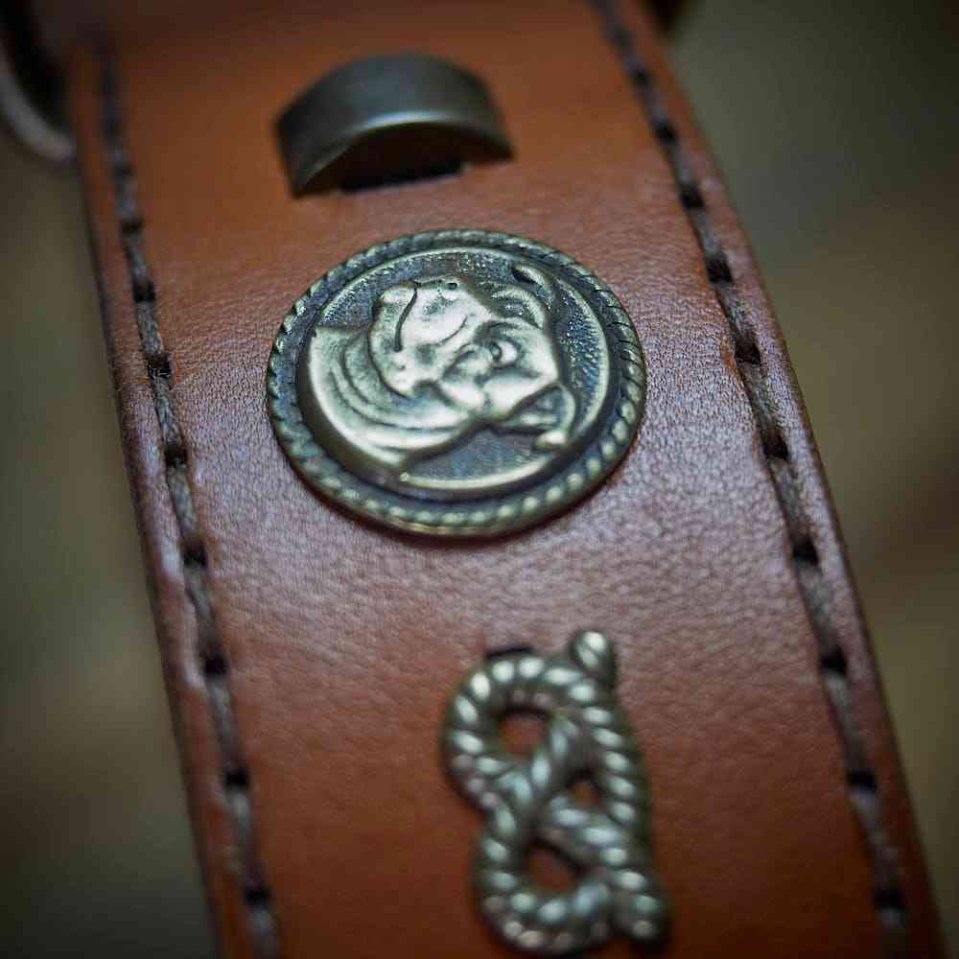
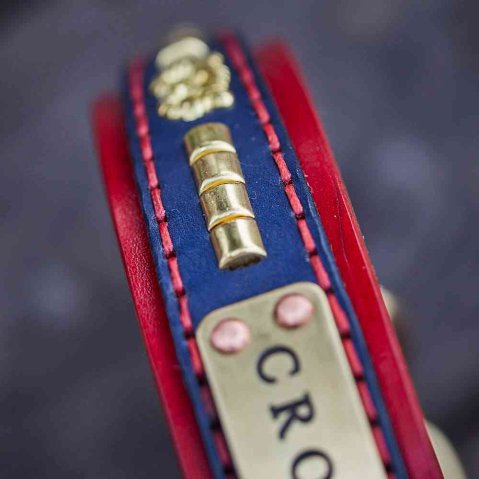
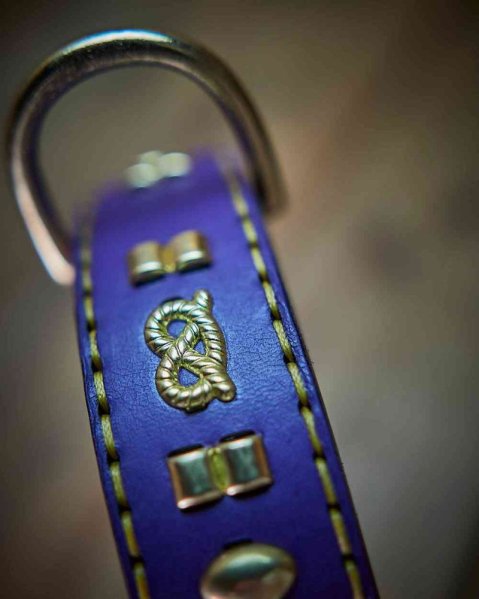
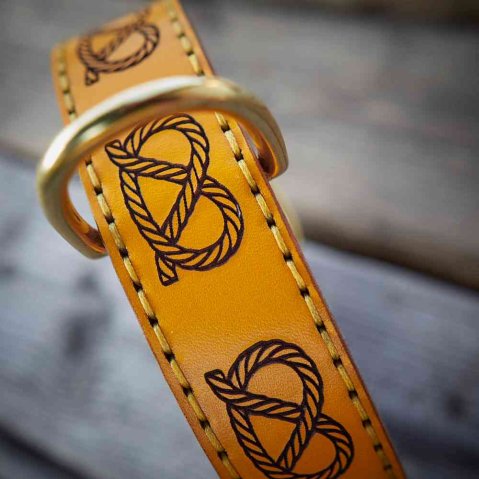
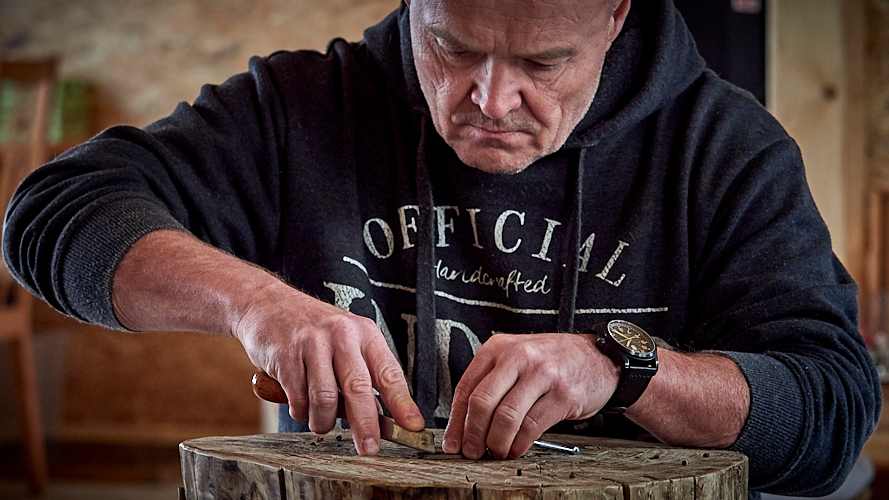
This is exactly why, at Slade Czech, we give stitching the same level of attention as the leather itself. For us, stitching isn’t a decorative detail — it’s a core structural element. We use specially waxed threads designed for hand saddle stitching and work with a traditional saddle stitch. Each stitch loop forms its own knot, which means that even if the thread is damaged at one point, the seam will not unravel further and the collar retains its shape and function.
This construction gives the collar confidence in real-world use — not only during everyday walks, but also in moments when a dog suddenly pulls, changes direction, or reacts unexpectedly. Stitching should work with the leather, not against it — and that’s exactly how we approach it in our workshop.
What happens when stitching gives way?
Loose stitching isn’t a cosmetic issue. It’s a functional failure.
- the collar loses strength
- load distribution becomes uneven
- hardware can be torn out
- in extreme cases, the dog can slip out of the collar
And it often happens at the moment you least expect — during a sudden pull or an unexpected situation.
Why thicker leather doesn’t solve the problem
A common mistake is assuming that “thicker leather equals greater durability.” But if the stitching remains the same, the problem simply shifts.
Thicker leather without corresponding stitching creates greater tension exactly at the seam. The leather holds — the stitching takes the hit.
How to recognize quality stitching on a dog collar
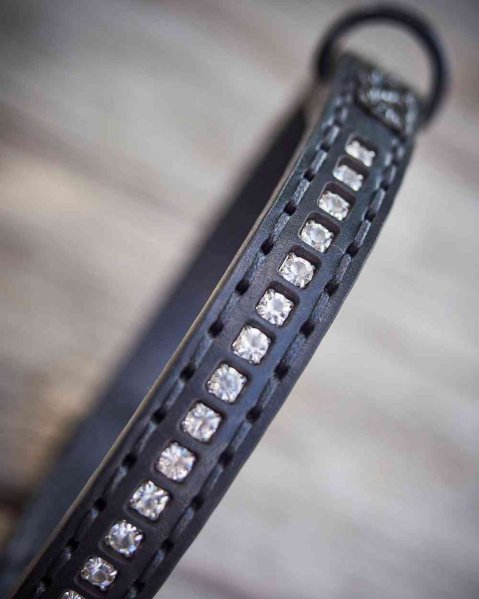
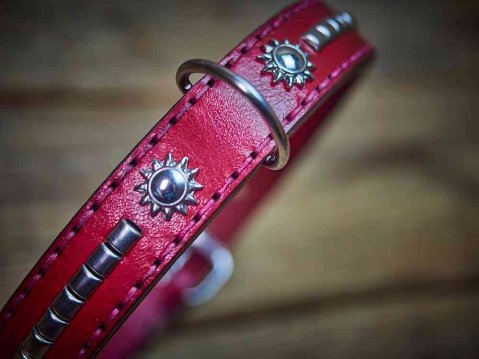
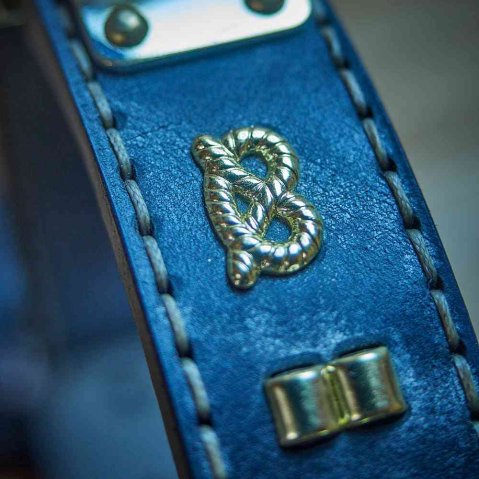
- even stitch length
- no skipped or sunken stitches
- thread is clean, not fuzzy or frayed
- stitching sits flush, not raised
Good stitching doesn’t draw attention. It simply works.
Experience from the Slade Czech workshop
In the Slade Czech workshop, stitching is something we deal with every day. Since 2004, we’ve tested collars in real-world conditions — on dogs that pull, brake, turn, and work. We know that stitching often determines whether a collar ages with character… or fails prematurely.
That’s why we design construction and stitching to work with the leather, not against it. It’s not about looks. It’s about function over time.
Who this topic matters most to
This information is especially important for owners of:
- strong and high-energy dogs
- dogs that pull on the leash frequently
- anyone who expects a collar to last years, not months
If a dog wears a collar only occasionally, issues appear later. With daily use, the difference becomes noticeable very quickly.
FAQ – stitching and dog collar lifespan
Is it normal for stitching to wear out before leather?
Yes. Stitching is mechanically stressed more than the leather itself, so earlier wear is natural.
Can stitching be repaired?
In most cases, yes. If the leather isn’t damaged, the stitching can be restored and the collar safely used again.
Does thicker thread help?
Only partially. What matters is the combination of thread material, stitching technique, and overall collar construction.
How often should I check stitching on a dog collar?
Ideally during every cleaning. As soon as you notice loosened or fraying stitches, it’s time to act.
Featured Dogs