Leather or Nylon Dog Collar: Which One Actually Holds Up Better?
Quick answer:
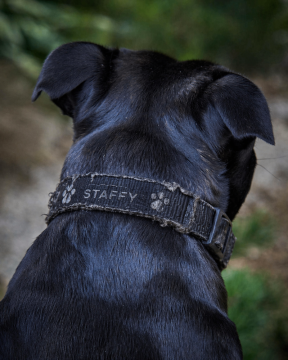
If you need a collar that still behaves properly after daily walks, pulling, weather and general dog nonsense, leather usually lasts longer than nylon. Nylon can be useful for lighter jobs or wet backup use, but when the collar has to do proper work, leather usually stays dependable for longer.
Leather or nylon dog collar: which one actually holds up better?
A lot of people judge durability too late. They wait for the collar to fully fail. But real wear starts earlier than that. It starts when the collar goes soft in the wrong way, begins to roll on the neck, shifts under tension or stops giving you a clean, predictable feel on the lead. That is where the leather-versus-nylon argument gets real fast.
Leather usually comes out ahead because it keeps its build. It stays more structured, more stable and more readable in use. Nylon is not automatically bad, but it often loses shape sooner. It can go from “light and easy” to “a bit floppy and annoying” before people admit there is a problem. And when a dog hits the lead hard, floppy is not charming. It is messy.
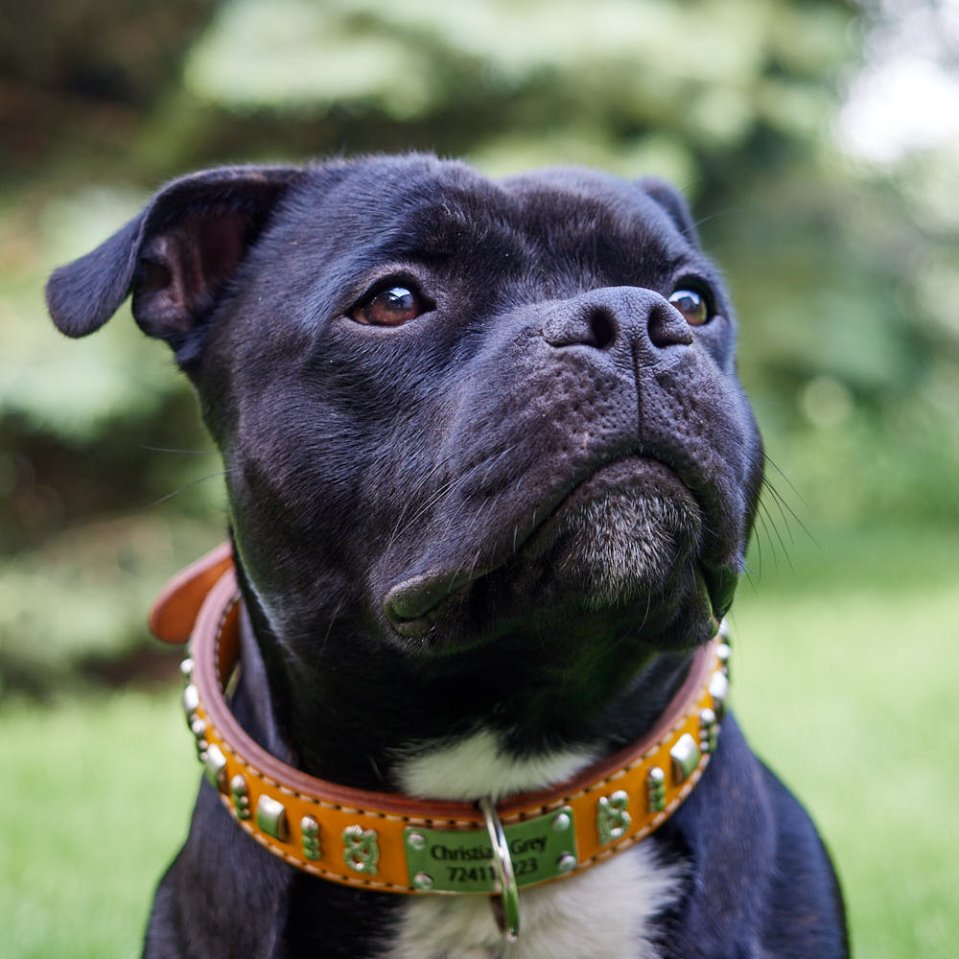
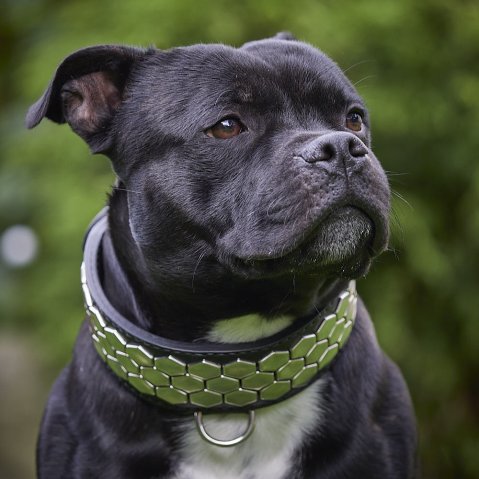
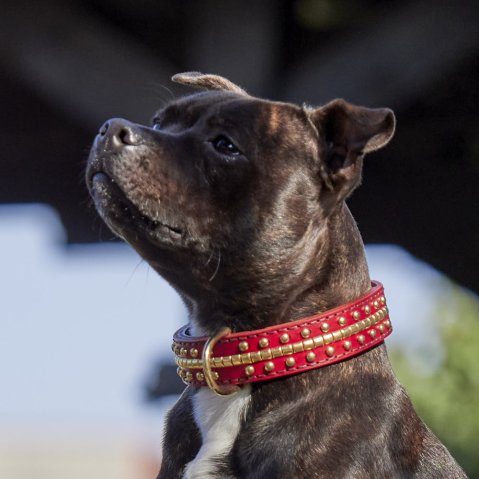
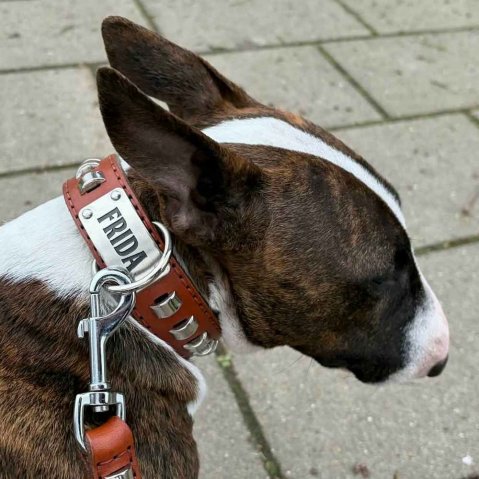
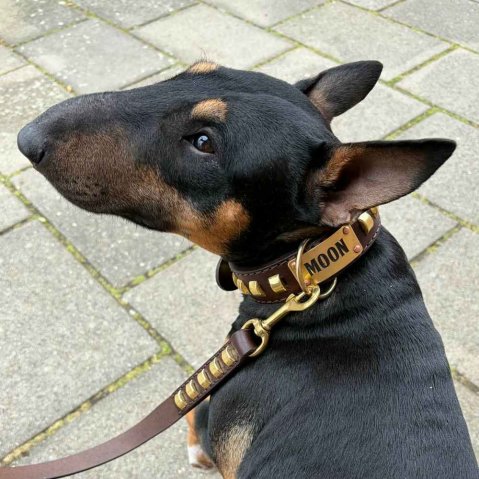
If your priority is everyday handling, start with a classic leather collar for daily control. If the question is not just durability but how the dog responds on the walk, it also makes sense to read why some dogs hate collars and how to help them love them before blaming the whole setup.
What does “lasting longer” actually mean?
Not just surviving. Working properly for longer. A collar can still be technically usable and already be worse to handle. That is the part people miss.
Here is the five-second reality check: the dog sees something exciting, throws his whole chest forward and the lead goes tight. Does the collar stay put and spread the pressure cleanly? Or does it bunch up, twist, and suddenly act like a narrow strap cutting across one line? That moment tells you more than a product label ever will.
Why does leather usually cope better with real pulling?
Because structure matters when the dog loads the collar with force. Leather tends to hold its line better, which means less twisting and less wandering on the neck. That gives you a steadier contact and clearer handling.
This is also where the “looks nice” versus “works properly” split becomes obvious. Nylon can look neat and sporty when new, but when it starts curling, softening or rubbing tired at the edges, it stops feeling like proper equipment and starts feeling like compromise with a buckle.
When is nylon still fine?
For lighter dogs, shorter-term use, very wet conditions or as a spare, nylon can be absolutely fine. No drama there.
But if the dog pulls regularly, braces into the lead or has that lovely habit of turning calm walks into surprise events, durability has to include control. That is where leather usually earns the win.
Decision block: match the collar to the job
- If the dog is easy on the lead and the use is light: nylon can do the job, though leather will still hold up better over time.
- If the dog pulls hard or loads the collar with body weight: go with leather first.
- If you need more response without a choking feel: look at a half check collar for clear control without choking.
- If you are torn between options: solve structure, fit and material before assuming the whole collar type is wrong.
For straightforward daily use, Simply Stunning classic collar suits dogs that need a stable leather classic without visual overkill. If the dog leans more and you want a cleaner correction signal without rough handling, Dapper Half Check Collar is the smarter next move.
Common mistakes
Buying for the first week, not the next six months. New gear always looks optimistic.
Calling visible wear “just cosmetic.” If the collar is losing shape, that affects handling.
Ignoring movement on the neck. A collar that rolls or drifts too much is already telling you it is not happy in the job.
Expert view
The better collar is not the one that merely stays in one piece. It is the one that stays useful, stable and readable in motion. That is why leather keeps showing up as the stronger long-run option. It does not just last. It lasts without losing its manners.
If you want the bigger picture on why leather makes more sense over time, read why leather ages like whiskey and plastic ages like trash. And if you want to avoid buying fake leather dressed up as the real deal, continue with how to spot real leather from fake.
Who this suits best
- Strong dogs that quickly expose weak gear.
- Owners who are tired of replacing “good enough” collars.
- People who want cleaner handling, not just a nice-looking accessory.
- Dogs whose walks are rarely as calm as advertised.
Final summary
Leather usually holds up better because it keeps shape, handles load more cleanly and stays more useful over time. Nylon still has its place, especially as a lighter or wet-use option, but everyday strain shows its limits earlier. If the dog is powerful, active or unpredictable, leather is usually the more dependable choice. A collar should not quit mentally before it quits physically.
Frequently asked questions
Does leather usually outlast nylon?
Yes, especially when the collar deals with regular pulling and daily wear.
Can nylon still be a good option?
Yes, for light use, calmer dogs or wet backup situations.
Which collar makes more sense for a pulling dog?
A structured leather collar usually makes more sense, with a half check when clearer control is needed.
How can I tell the collar is wearing badly?
If it twists, folds, drifts or feels sloppy under tension, it is already losing function.
Is the difference only about looks?
No. Shape, stability and how pressure is handled change the walk itself.
Real Dogs