What Collar Works Best for a Dog That Pulls?
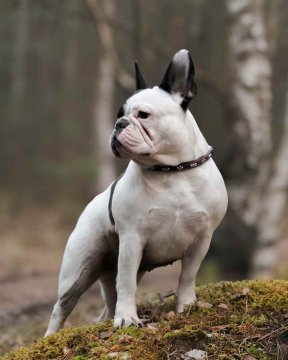
Short answer:
If your dog pulls on the leash, a wider and firmer collar is usually the better choice than a narrow or overly soft one. It spreads pressure across a larger area, stays more stable on the neck, and gives you calmer, cleaner handling when your dog suddenly leans forward.
What collar works best for a dog that pulls?
For most dogs that pull, the best starting point is a wider, solidly built leather collar that does not collapse, twist, or cut into one narrow line on the neck. A pulling dog creates force fast. One second you are walking normally, the next your dog spots something, throws weight into the leash, and the whole setup gets tested in real time. That is exactly where weak gear starts showing its cracks.
A well-made collar is not about looking tough. It is about how it behaves in motion. If the collar rotates, digs in, or shifts all pressure into one point, control gets messy. If it stays balanced and spreads pressure well, handling becomes cleaner for both dog and human. If you are comparing different strong options, it also helps to read what actually holds when the pull hits hard.
A dog that pulls does not need drama around the neck. It needs structure that keeps its head when your dog loses his.
Why is a wider collar usually better for a pulling dog?
A wider collar usually works better because it distributes pressure over a larger surface instead of creating one sharp pressure line. That matters the moment a dog braces forward with the chest and neck fully engaged.
In practice, the difference is easy to spot within seconds. A narrow collar often turns, bites into one strip of the neck, and starts looking crooked almost immediately. A wider collar stays flatter, moves less, and creates more even contact. That does not magically stop pulling on its own, but it makes handling steadier and less chaotic.
What goes wrong with a narrow or soft collar?
A narrow or overly soft collar often fails in a very practical way: it twists, folds, and sends pressure into one small area. The issue is not only comfort. It is control.
You can usually see it in under five seconds. The collar rotates 90 degrees, the leash attachment shifts off line, and instead of guiding the dog, you are suddenly correcting the gear itself. That is the problem. A collar that looks sleek in a product photo can become an unstable little rope the second a strong dog leans into it.
If you want a deeper comparison of materials, leather vs nylon dog collar: what really lasts longer? breaks down where construction starts mattering more than appearances.
Is leather a good material for dogs that pull?
Yes, if the leather collar is properly made, firm enough, and paired with reliable hardware. Good leather has structure. It does not behave like limp decoration. It can hold shape, age well, and cope better with repeated strain than weak synthetic gear that looks fine until the first real hit.
The key point is not “leather” as a buzzword. It is leather with proper build quality. A strong dog tests stitching, holes, edges, and hardware every single walk. That is why a robust piece like the Buffalo collar makes sense for dogs that put real load into the leash. It is not there for costume points. It is there because broader, stronger construction matters when the dog means business.
When does a classic collar make sense, and when is half check smarter?
A classic collar makes sense when your dog pulls but still stays generally stable in the collar and you mainly need firm, reliable everyday control. A half check becomes more interesting when the dog tends to back out, brace heavily, or needs more controlled containment without going into a full slip style setup.
That is where decision flow matters more than trends. Some people jump straight to “stronger tool,” but the real problem is often wrong width, weak construction, or a collar that moves too much. If your dog simply overwhelms flimsy gear, a solid classic option such as the Hexagon classic collar or Vintage Paws may already solve the issue better than expected. If your dog loads hard, slips backward, or needs firmer positional control, the Tough Guy Choker Half Check Collar may be the more suitable route.
Quick decision guide
- If your dog pulls forward but stays secure in the collar: start with a wider, firm classic leather collar.
- If the collar twists or digs into one line: the issue may be width and structure, not “obedience.”
- If your dog backs out or braces hard against the leash: consider a more controlled option like a half check.
- If your dog dislikes wearing collars: the problem may be poor fit, harsh pressure points, or unstable construction. Read why some dogs hate collars and how to help them love them.
- If you are unsure: solve width, fit, and build quality first. Fancy theories can wait.
If your next question is whether your current collar is simply too weak for daily strain, the article how long does a dog collar last? helps separate normal wear from gear that was out of its depth from day one.
Common mistakes
Choosing by looks only. Some collars photograph beautifully and behave terribly. Clean lines, slim profile, soft body. Lovely on screen. Then the dog lunges, the collar twists, and all the “nice design” magic evaporates.
Going too narrow for a strong dog. Narrow collars concentrate pressure and often become unstable under real pulling. That is not just an aesthetic issue. It changes handling immediately.
Blaming the dog for a gear problem. Sometimes the dog is not the whole issue. Sometimes the collar is flimsy, badly sized, or too soft to stay where it should.
Assuming every pulling dog needs the same setup. One dog needs more width. Another needs more containment. Another simply needs better fit and stronger construction. Same symptom, different answer.
Expert view
From a practical gear perspective, the biggest difference is rarely in marketing language. It is in what happens during that split second when the dog commits full body weight into the lead. Weak collars stretch where they should stay stable. Holes begin to deform. Softer bodies start folding. Hardware may remain intact, but the whole handling experience becomes sloppy.
This is why strong, structured leather collars keep earning their place. Not because they sound premium, but because they behave more predictably under strain. If you live with a strong dog, especially a compact, muscular one, that predictability matters. For Stafford owners in particular, this guide to strong leather collars for Staffordshire dogs is a useful next step.
Who is this solution good for?
- Dogs that hit the leash fast and hard and make softer collars shift immediately.
- Owners who want cleaner control without turning every walk into a hardware experiment.
- Strong, compact breeds where neck strength and body drive expose weak gear quickly.
- Dogs that wear a collar daily and need something that holds up beyond a pretty first week.
Final summary
If a dog pulls, the best collar is usually not the flashiest one or the harshest one. It is the one that stays stable, spreads pressure well, and keeps working when the dog suddenly loads into the leash. In many cases, that means a wider, firmer leather collar with real structure. If basic control is enough, a classic collar works. If the dog braces harder or slips, a half check may make more sense. Nice on a photo is easy. Nice under pressure is the real test.
Frequently asked questions
Is a wider collar better for a dog that pulls?
Usually yes. A wider collar spreads pressure more evenly and tends to stay more stable on the neck during pulling.
Is leather better than nylon for strong dogs?
Often yes, especially when the leather collar is well built. Strong leather usually holds shape better and handles repeated strain more predictably.
Should I use a half check collar for a pulling dog?
Use half check when the dog needs more controlled containment, tends to back out, or loads hard into the leash. It is not automatically the first answer for every dog.
How do I know my current collar is too weak?
If it twists, folds, stretches around the holes, or feels unstable the moment your dog pulls, it is probably not the right construction for that dog.
Can a bad collar make walking feel worse?
Yes. Poor fit, narrow pressure points, and unstable construction can make handling messier and create more frustration for both dog and owner.
Featured Dogs