Beeswax for Leather Dog Gear: What Happens When Strong Dogs Meet Dry Leather

Quick answer:
Leather dog gear for strong pullers takes abuse every single day. Rain, leash pressure, mud, sudden hits at the end of the leash, freezing weather — all of it slowly dries leather out. Beeswax helps keep leather flexible, stable, and usable when the dog really loads into the collar.
Why strong dogs destroy neglected leather faster
A calm walk in dry weather is easy on leather.
A hard-pulling Staffy slamming into the leash at full speed is a completely different story.
This is where weak leather maintenance starts showing immediately.
The collar twists. The leather stiffens around the buckle. Pressure starts cutting into one narrow line instead of spreading evenly across the neck. Sometimes you can spot the problem in under five seconds.
The collar suddenly rotates sideways during a pull.
That is not just ugly gear. That is unstable handling.
If you want to see what long-term pulling and daily use really do to dog gear, read how long a dog collar should actually last.
Why we started making our own beeswax
Because too many leather products looked great online and failed in real life.
Some conditioners made leather overly soft. Others washed out after one wet walk. Some left collars greasy. Some made heavy-duty leather collars lose their structure after repeated use.
That does not work when you build leather dog gear for dogs that actually pull.
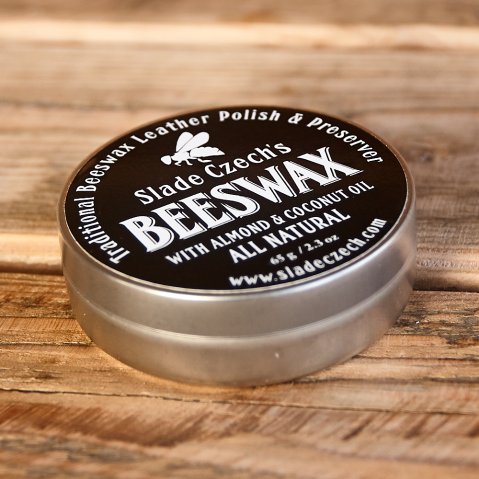
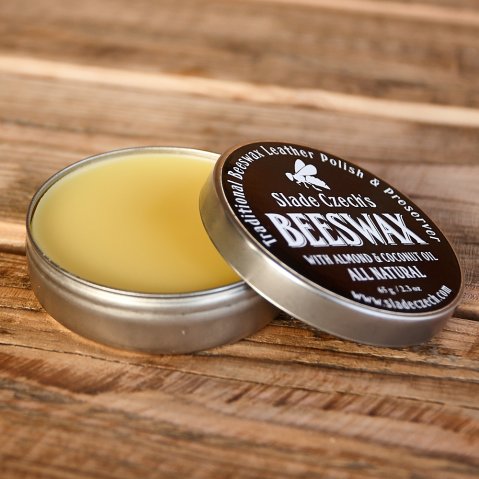
So we built our own Beeswax for Leather around one simple goal:
- keep leather flexible without making it weak
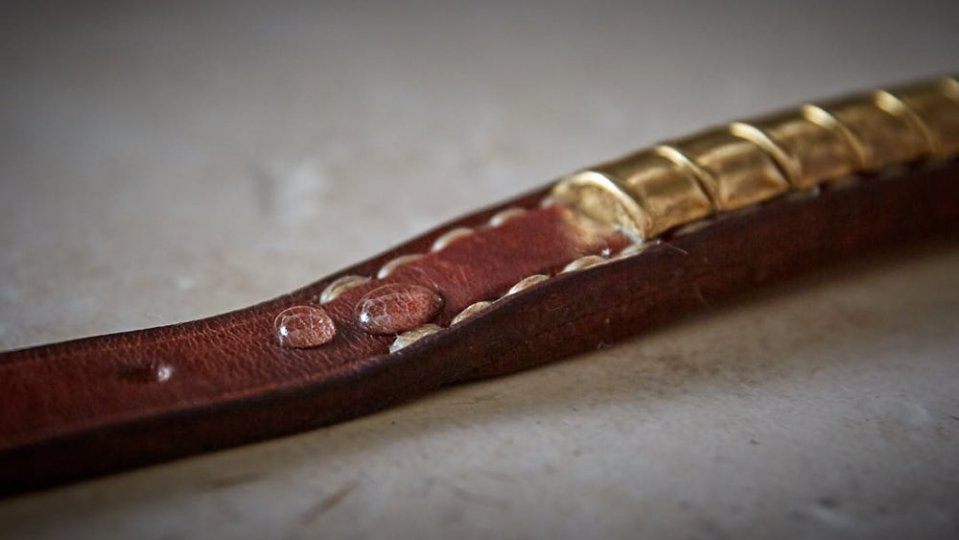
- help collars survive rain, snow, mud, and friction
- reduce drying and cracking under heavy leash tension
- support real-life durability instead of fake showroom shine
The real-life problem most owners miss
Leather rarely fails all at once.
First it gets dry.
Then it stiffens.
Then the collar starts fighting against the shape of the dog instead of working with it.
You start seeing:
- uneven stretching around buckle holes
- dry rough edges
- stiff movement in the leash
- collar rotation under pressure
- small surface cracks near stress points
And once the dog launches forward hard, those small problems become handling problems fast.
If your leather gear already squeaks, stiffens, or feels dry, check this breakdown on what squeaking leather gear is trying to tell you.
Decision flow: what should you do?
- Dog pulls hard daily? → regular beeswax maintenance matters more.
- Leather feels stiff? → treat it before cracks appear.
- Collar twists during pulling? → check leather condition, collar width, and construction together.
- Gear gets soaked often? → protection becomes critical.
- Not sure if the issue is the collar itself? → inspect pressure points near hardware and buckle areas first.
Looks good vs works under pressure
There is a massive difference between leather gear that photographs well and leather gear that survives real pulling pressure.
A thin decorative collar can look clean and stylish on social media.
Then the dog hits the end of the leash hard once.
The collar folds. The pressure line narrows. The hardware shifts sideways. The leather starts stretching unevenly.
Meanwhile a properly maintained heavy-duty leather collar stays stable because the leather still has flexibility instead of turning into dry cardboard.
That difference matters a lot more outside than inside a photo studio.
Common mistakes with leather maintenance
Using fashion leather products
Leather dog gear for strong pullers is not the same as a leather handbag.
Waiting too long
Once leather fibers start cracking deeply, you are trying to rescue damaged leather instead of protecting healthy leather.
Applying huge amounts of product
Over-soft leather can become unstable under leash pressure.
Ignoring weather exposure
Snow, salt, wet grass, and mud dry leather out faster than many owners realize.
Expert workshop perspective
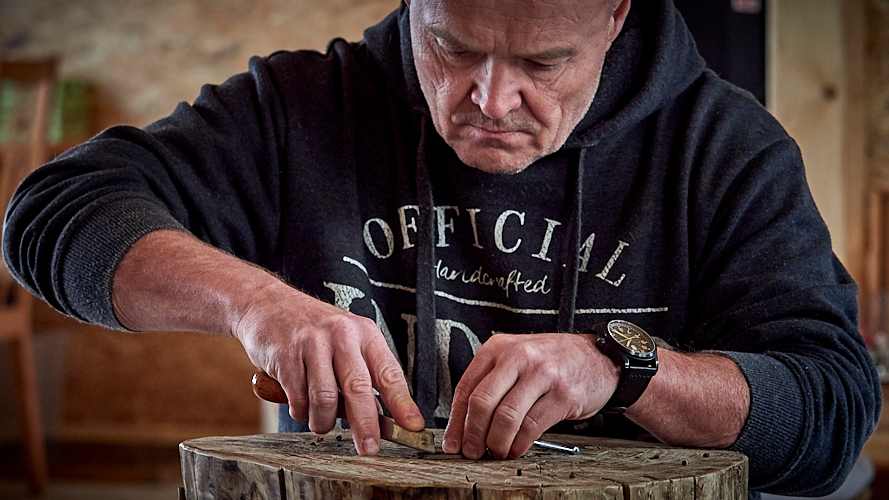
In real workshop practice, the difference between maintained leather and neglected leather becomes obvious very quickly.
Especially on strong dogs.
You can literally see how the collar behaves differently during pulling.
Good leather stays alive. Dry neglected leather starts behaving stiff, unstable, and unpredictable.
If you want a full step-by-step breakdown, read how to properly care for leather collars and leashes with beeswax.
Who should care most about beeswax leather maintenance?
- owners of strong pullers
- Staffordshire Bull Terrier owners
- dogs training daily on leash
- working-line mentality owners
- people using real leather dog gear outdoors year-round
Final summary
Dry leather does not fail because it is old. It fails because pressure, moisture, friction, and neglect slowly kill flexibility.
Good beeswax care helps leather dog gear survive real-life pulling, weather, and daily use longer.
Because the real test of leather dog gear is not how it looks hanging on a wall. It is what happens when the dog explodes forward and the leash snaps tight.
Frequently asked questions
How often should I use beeswax on a strong dog collar?
Usually every few weeks, especially if the dog pulls hard or walks in wet conditions.
Can dry leather become dangerous?
Yes. Dry leather can stiffen, crack, twist, and behave unpredictably under pressure.
Does beeswax help prevent collar twisting?
It helps maintain flexibility, which supports more stable movement under tension.
Can I use regular fashion leather cream?
Not recommended for heavy-duty leather dog gear exposed to real pulling.
Why does my leather leash feel rough and stiff?
Usually because the leather is drying out from friction, weather, and repeated tension.
Real Dogs