Bull-Type Dogs Overview, Part 1: The Essential Bull Breeds
Short answer:
And honestly? That’s only the beginning of the bull-type rabbit hole. The next parts move into modern bully dogs, bulldog bloodlines, and the heavyweight crew built like wrecking balls with paws. 💥🐾
👉 Read the next chapters here:
Part 2 – Bull & Bully: The Modern Line-Up
Part 3 – The Bulldog Line
Part 4 – The Wider Relatives & Power Types
Which breeds form the essential classic bull-type group?
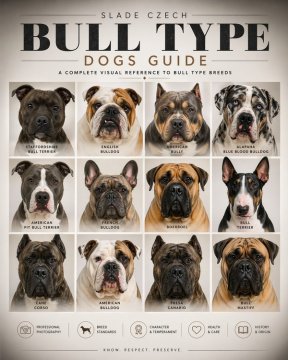
The key classic bull breeds are Staffordshire Bull Terrier, American Staffordshire Terrier, American Pit Bull Terrier, Bull Terrier, and Miniature Bull Terrier. They share strength, attitude, and that unmistakable bull-terrier edge, but they are not interchangeable once you look at how they carry themselves, how they move, and what happens when real leash tension enters the scene.
A lot of people stop at the surface. Muscular dog, broad head, short coat, done. But real-life handling is less lazy than that. One breed is compact and people-focused, one is bigger and more imposing, one feels like an athlete coiled under the skin. On paper they sit close together. In motion, the split becomes obvious.
Why does Staffordshire Bull Terrier win people over so fast?
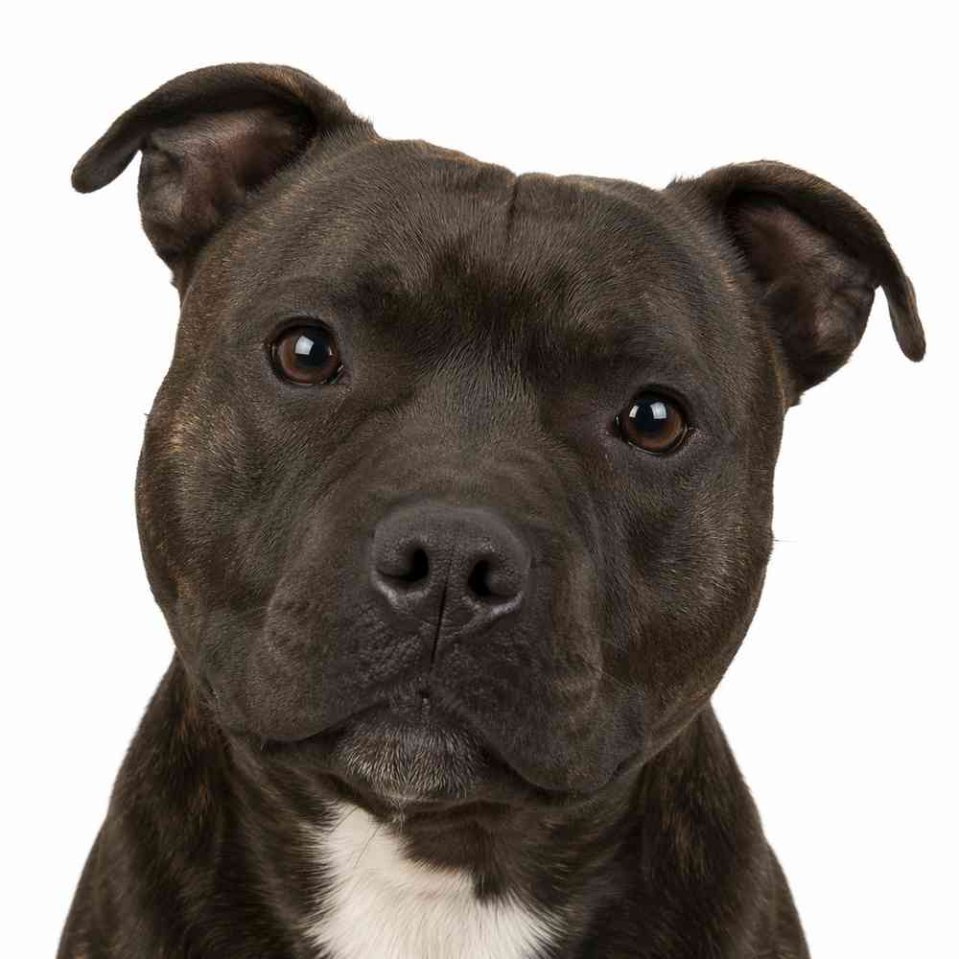
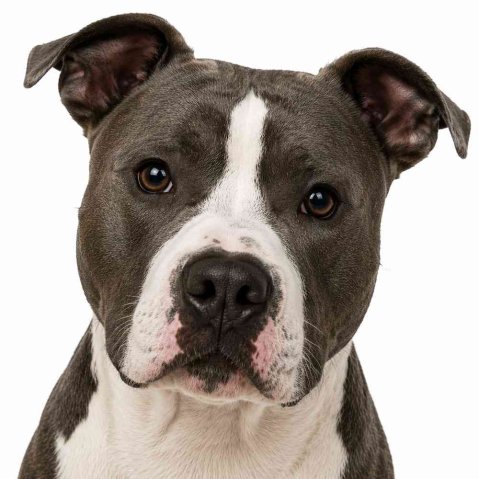
Staffordshire Bull Terrier is the compact powerhouse with a famously people-loving nature. Solid, lively, cheerful, and full of intent, it often gives that wonderful contrast of strong body and open expression.
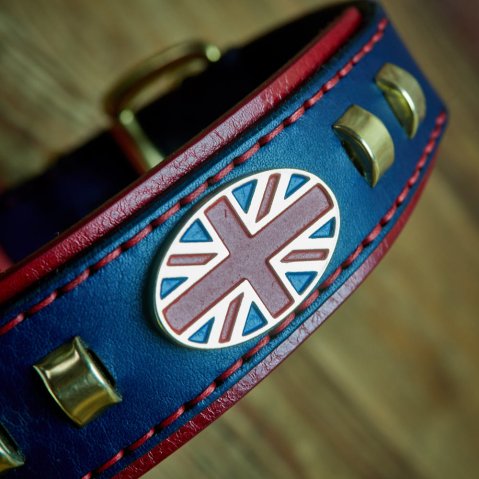
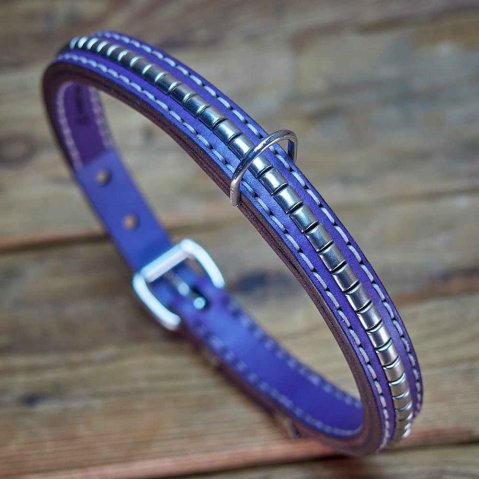
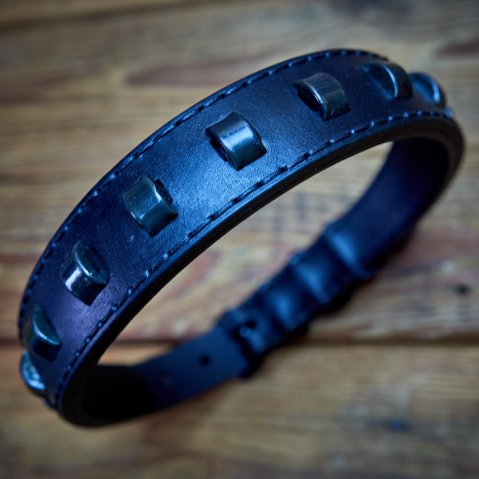
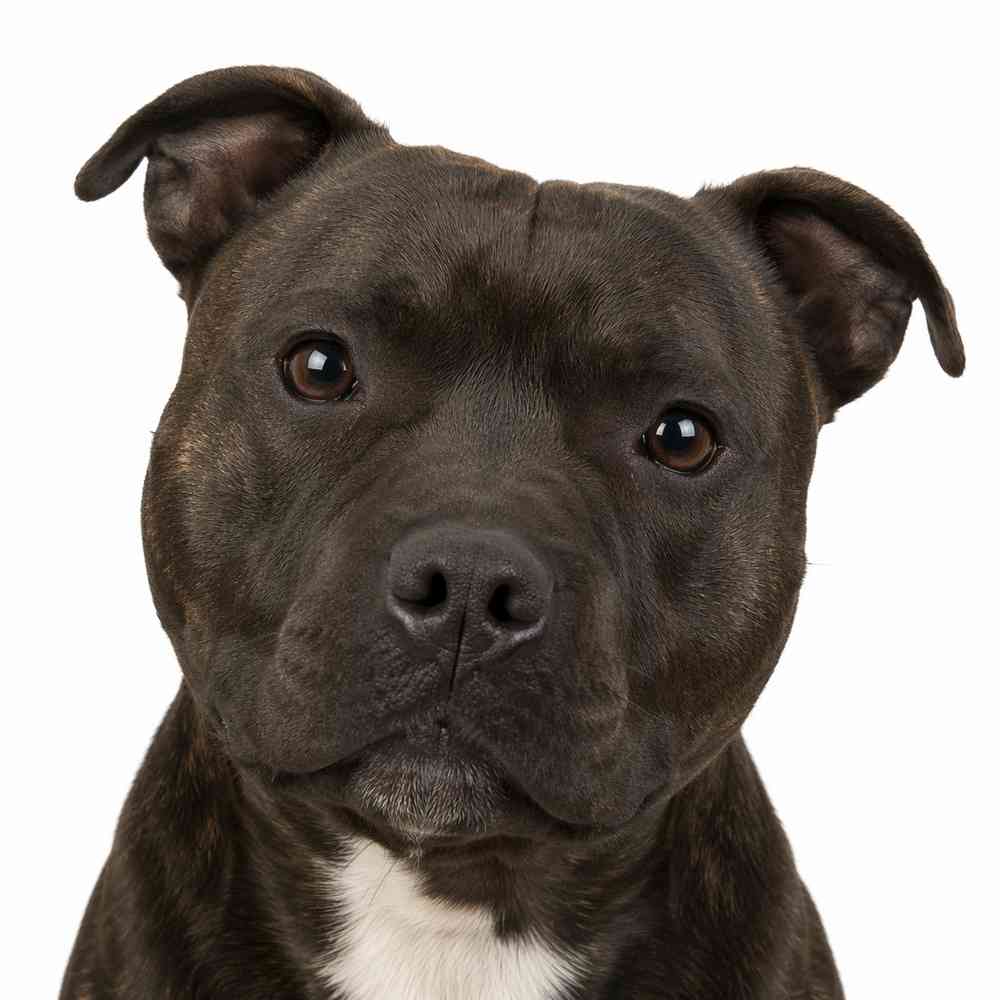 A proper Staffie should look balanced, not overloaded. Strong head, full neck, compact frame, efficient movement. Because the breed carries so much substance through the neck and front, the collar has to sit neatly and support the picture instead of breaking it. That is where the King’s Colours Classic Collar fits in so well. It brings bold visual character, inspired by British colours, while still being made as an everyday usable collar rather than a one-photo gimmick.
And daily life with a Staffie is not slow cinema. The dog can be all grin and softness, then suddenly hit the end of the lead with pure enthusiasm. That moment separates honest construction from empty style very quickly.
What gives American Staffordshire Terrier its own presence?
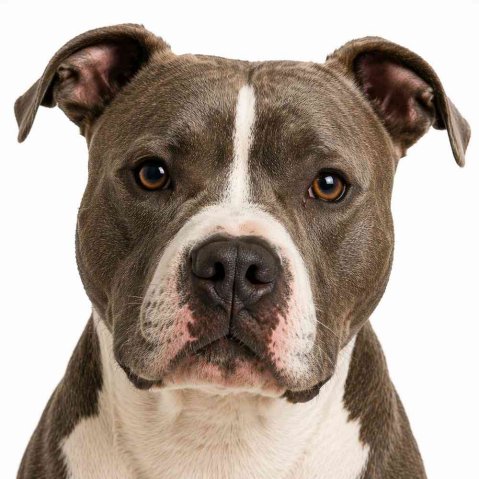
American Staffordshire Terrier usually comes with more height, more outline, and more visual authority than a Staffordshire Bull Terrier. It is still muscular and grounded, but often with a grander frame and a stronger sense of elegant power.
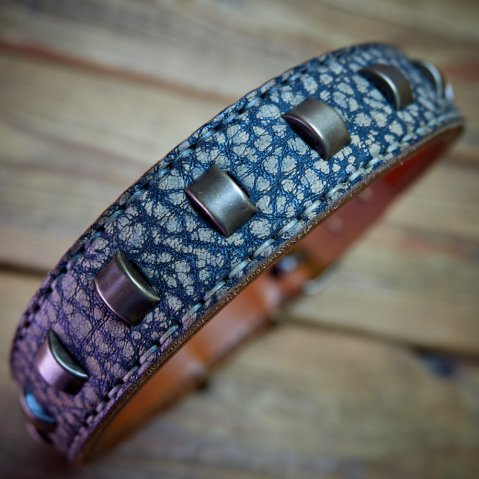
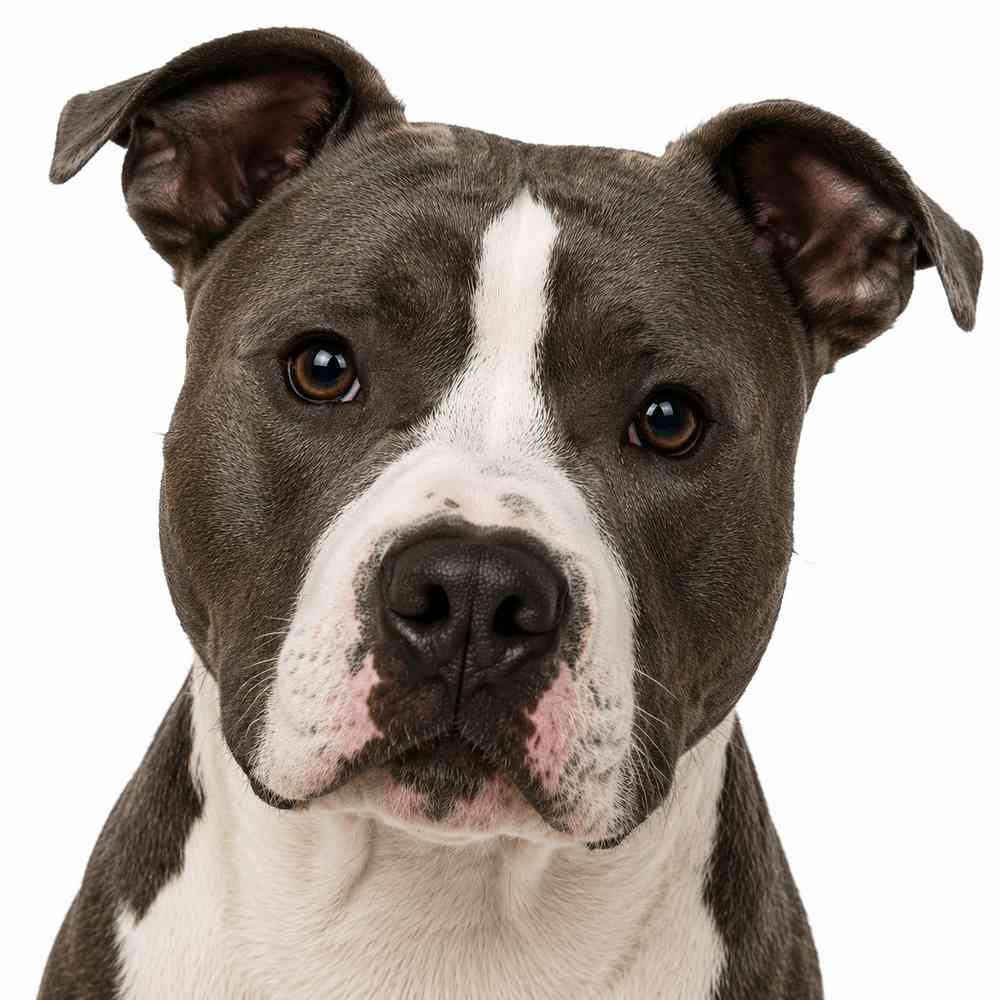 When an AmStaff is put together well, it looks impressive without turning into a brick on legs. The common mistake is focusing only on “statement” and forgetting control. The Buffalo Collar suits this breed naturally because it carries strong neck presence and a tougher, more grounded visual weight that matches the breed’s substance. It feels built for business, not for posing.
An AmStaff often comes with plenty of body and a clear opinion about direction. If the collar starts twisting, softening, or losing visual authority, it weakens the entire picture. On this kind of dog, weak gear gets exposed fast.
Is American Pit Bull Terrier really the athlete of the bunch?
Very often yes. American Pit Bull Terrier tends to look leaner, quicker, and more movement-driven than the heavier visual types in the group. It often reads like performance first, decoration second.
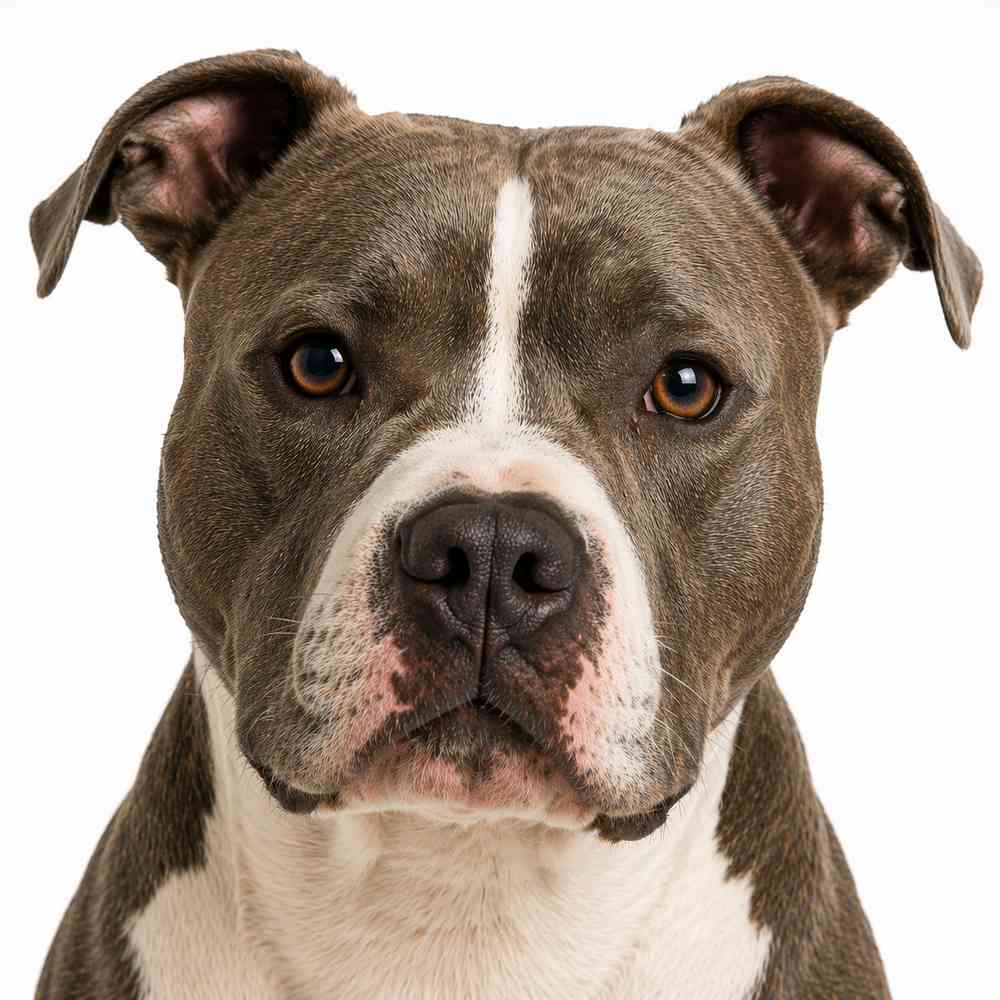 This is exactly why handling details matter. If a collar shifts around the neck, creeps out of place, or cannot cope with forward pressure, you notice it immediately. The Django Classic Collar works well for this type because it is built around better stability under tension and better behaviour when the dog pulls. That is not a theoretical advantage. It is the sort of difference you feel in your hand within seconds.
The APBT is a good reminder that “light and flashy” is not the same as practical. Some collars look great in a shop window and start losing the argument the second the dog decides to move with real intent.
Why is Bull Terrier impossible to mistake for anything else?
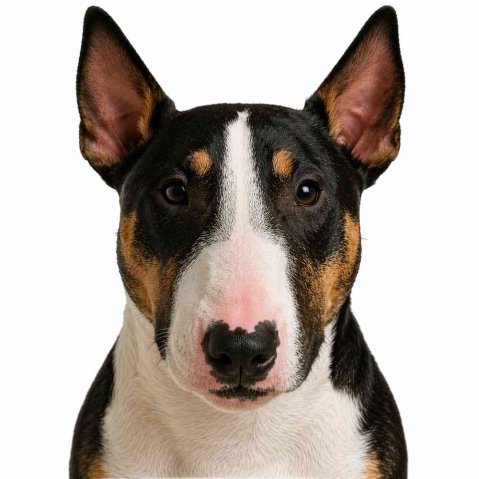
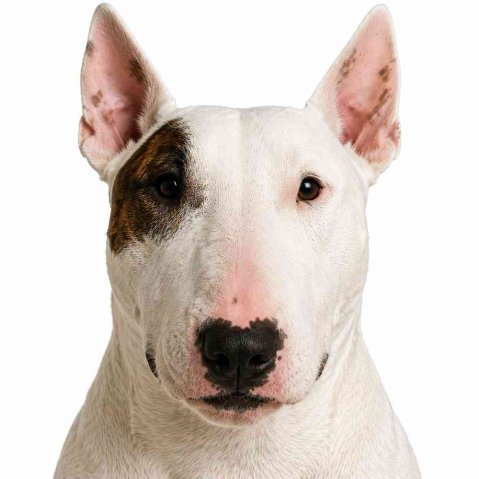
Bull Terrier is the unmistakable original oddball. The egg-shaped head, the tight profile, the strong expression and unusual silhouette make it stand apart even among other bull-type dogs.
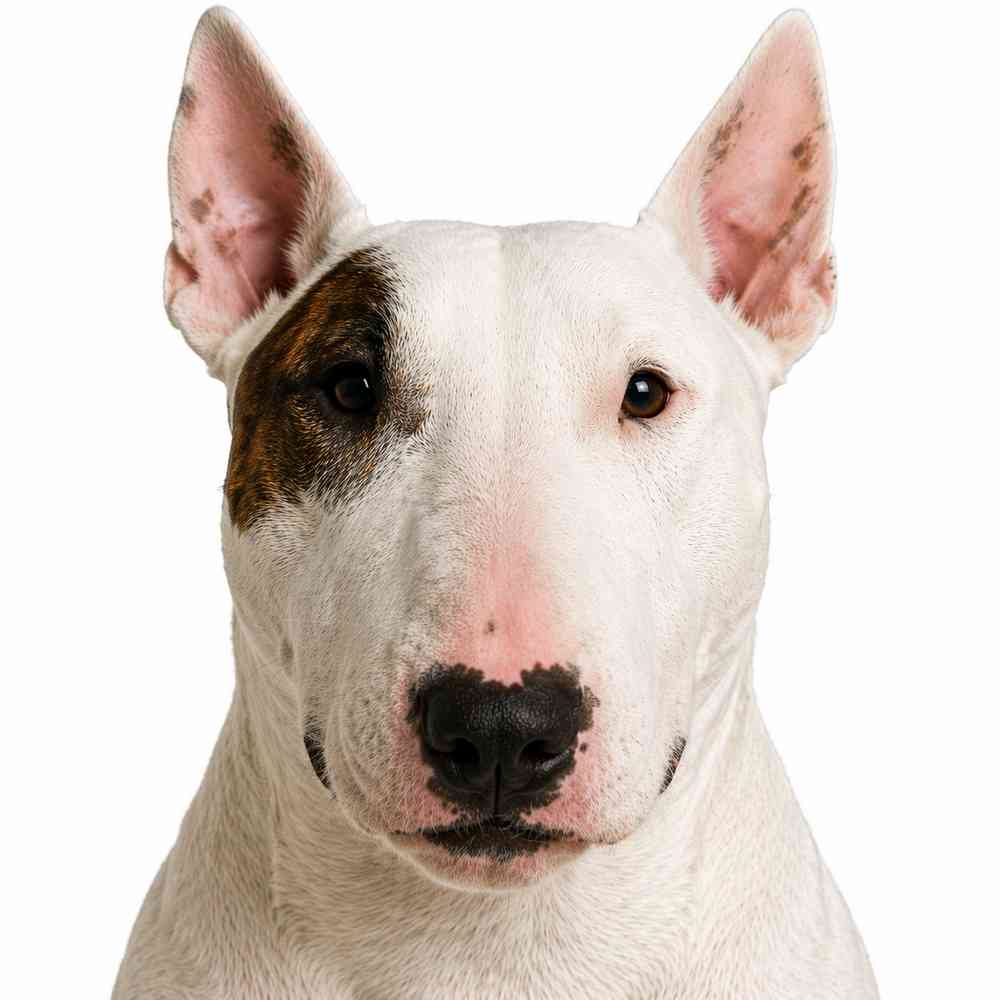 But this is not just a visual joke with muscle attached. Bull Terriers often combine humour, stubbornness, force, and a very specific way of committing to an idea. If they decide something matters, good luck persuading them otherwise. The Classic Viking Collar feels right on this breed because it has enough presence to stand up visually to such a distinctive head and neck, while still being made for real-life control. A flimsy collar on a Bull Terrier looks defeated before the walk even starts.
Presentation matters here more than people expect. A poor collar can visually shorten the neck, break the balance, or make a striking dog look oddly cheap. Bull Terriers magnify details. They do not hide them.
What should people understand about Miniature Bull Terrier?
Miniature Bull Terrier is not a diluted Bull Terrier. It is a smaller frame carrying the same strong identity, comic unpredictability, and stubborn spark that make the larger version so memorable.
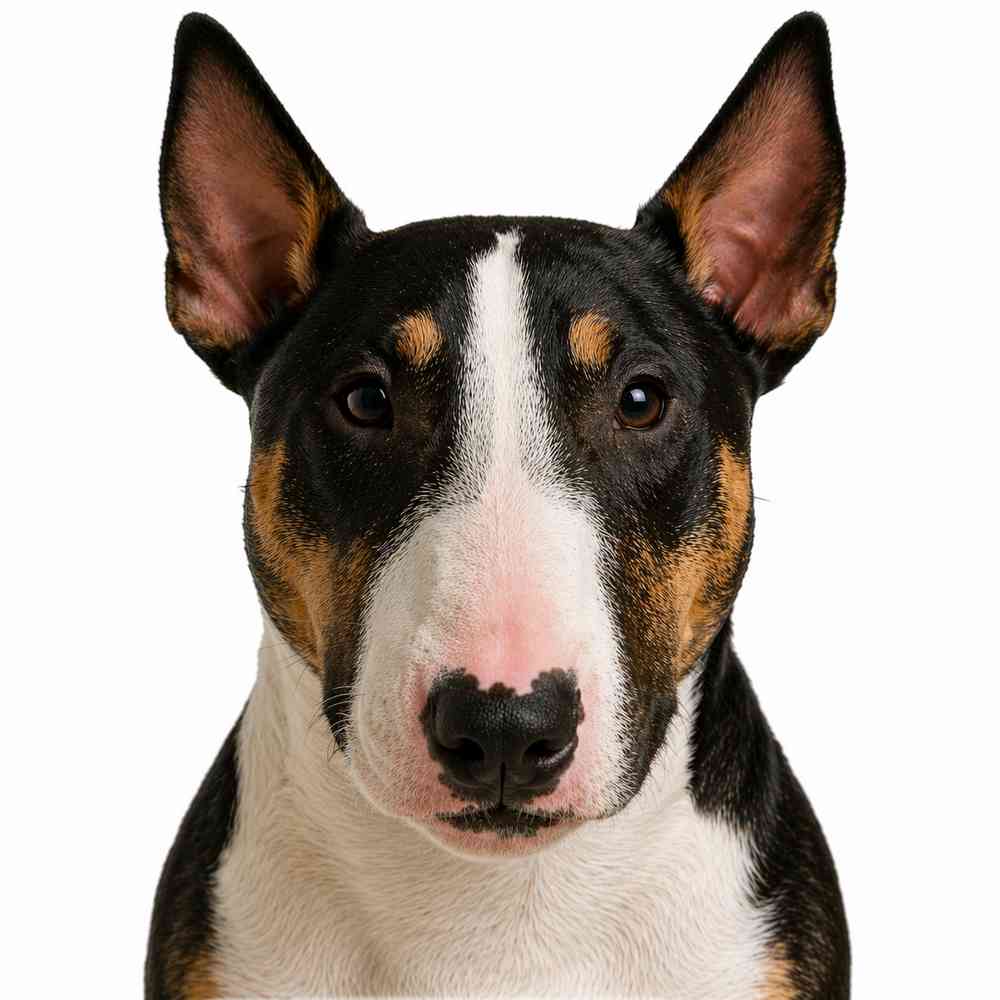 Because it is smaller, people sometimes drift toward overly fine or overly decorative gear. That usually misses the point. Small in size does not mean soft in spirit. A Mini Bull can be intense, sharp, and hilariously committed to its own agenda. The Balls Classic Collar works nicely here because it keeps a clean, classic profile without treating the dog like a toy breed.
The balance is simple: do not overload the dog visually, but do not downgrade it into something fragile-looking either. The breed may be smaller. The personality definitely did not get the memo.
Common mistakes
- Assuming all bull breeds are basically the same: the differences in neck, drive, outline, and control feel are real.
- Buying by appearance alone: nice styling does not tell you how the collar behaves when the dog hits tension.
- Ignoring visual proportion: collar width and presence affect each breed differently.
- Going too delicate on smaller types: Miniature Bull Terrier still needs proper structure and honesty in build.
Expert view
Bull-type breeds are brutally honest on equipment. Weak leather folds. Poor hardware gets found out. Bad proportion spoils the whole dog. These breeds are excellent at exposing the gap between “marketed as strong” and genuinely fit for real daily handling.
Who is this useful for?
- For owners comparing the classic bull breeds beyond labels and stereotypes.
- For people choosing collars based on shape, movement, and real control needs.
- For newcomers trying to understand what “bull type” actually includes.
- For handlers who care about both practical function and visual balance.
Final summary
The essential bull breeds belong to the same broad family, but they are far from identical. Staffordshire Bull Terrier, American Staffordshire Terrier, American Pit Bull Terrier, Bull Terrier, and Miniature Bull Terrier all carry different energy, different outline, and different handling reality. Once you pay attention to the neck, front, movement, and reaction under pressure, the distinctions become hard to ignore. One family label is easy. Reading the dog properly is where things get interesting.
Frequently asked questions
Are Staffie and AmStaff the same thing?
No. They are different breeds with different proportions and overall presence.
Does APBT usually look more athletic?
In many cases yes. It often gives a lighter, more functional and movement-driven impression.
Why is Bull Terrier so visually unique?
Because of its egg-shaped head, unusual profile, and instantly recognisable silhouette.
Is Miniature Bull Terrier simply the small easy version?
No. It is smaller, but usually still packed with personality, energy, and stubborn character.
Should collar choice vary between these breeds?
Absolutely. Neck shape, power, movement, and the dog’s visual balance all affect what works best.
Real Dogs