When should your puppy wear a collar — and what first collar actually makes sense?
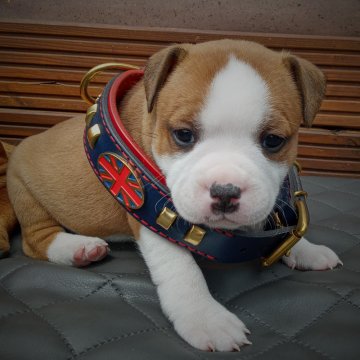
Short answer:
Your puppy can start wearing a collar at about 8 weeks old, but keep it light, soft and short-session only. First comes comfort and acceptance, then the lead, then real walks. The first collar is not about winning control; it is about preventing collar drama before it starts.
When should your puppy start wearing a collar?
A puppy can usually start wearing a collar around 8 weeks, as long as the collar is made for puppy size and puppy behavior. That means no chunky adult buckles, no stiff “he’ll grow into it” gear, and no leash battles in the first session. You want the puppy to feel the collar, keep moving, and not make a whole courtroom case out of it.
For a clean first setup, use a real puppy collar and lead, not leftover gear from an adult dog. The Baby Doll puppy collar and lead set works for that calm starting phase because it is built for light handling and early leash learning. For more detail on materials and first-collar logic, follow with how to choose a leather puppy collar.
How do I know if a puppy collar fits right?
A puppy collar fits right when it stays in place without squeezing the neck.
Use the two-finger rule, then do the 5-second reality check. If the collar turns 90° when the puppy shakes, scratches or pulls toward the food bowl like dinner owes him money, it is too loose. If your fingers cannot slide under it, it is too tight. Fit is not a theory. It shows up in movement.
What first collar is best for a puppy?
The best first collar is soft, adjustable, lightweight and simple enough that the puppy can ignore it after a few minutes.
Early walks are messy. One second the puppy is walking nicely, the next he is sitting down because a trash bin looked suspicious. A good collar should guide gently through that chaos. The Glamourpup collar and lead set fits owners who want the first collar to look polished while still staying practical for daily puppy handling.
Is a name collar useful for a puppy?
Yes, a name collar can be useful when you want identity, clarity and a more personal first setup.
The Baby Name puppy collar and lead set makes sense for puppies meeting the world one sidewalk at a time. The name detail gives the collar a clear identity without turning it into bulky gear. It still does not replace training or a proper tag, but it gives the first collar a job beyond looking cute.
Can a puppy wear a collar all day?
No. In the beginning, a puppy should wear a collar in short, supervised sessions.
Put it on during feeding, play, a quick garden loop or a few calm minutes in the living room. Take it off for sleep, crate time and rough play. A puppy does not need a collar on 24/7 to learn. He needs clear repetition without turning the collar into neck furniture.
When should I choose a show-style puppy set?
Choose a show-style puppy set when the puppy is learning presentation, gentle handling or early ring habits.
For that job, the collar has to look clean without fighting the puppy’s outline. The Swarovski puppy collar and lead set belongs in that space: visual presence with controlled use, not random sparkle thrown at a puppy and called “luxury”.
Fast decision guide: what should you pick?
- First collar, first walks: Baby Doll keeps things soft, light and simple.
- Daily use with a sharper look: Glamourpup gives you a matched set without losing practicality.
- You want the puppy’s name visible: Baby Name adds identity while staying puppy-friendly.
- You are preparing for show handling: Swarovski makes sense when presentation matters.
- Your puppy is already pulling hard: do not rush into harsher equipment; check fit, width and build first.
Where cheap or weak puppy collars fail
A weak puppy collar usually fails in motion, not on the product photo. It twists when the puppy leans forward, the buckle slides sideways, and pressure runs into one narrow line. You feel it through the lead within seconds: instead of guiding, you are correcting, untangling and wondering why this tiny creature suddenly feels like a shopping cart with opinions.
Looks sell fast. Function proves itself on the sidewalk. If a collar is cute but rotates, rubs or collapses under a small pull, it is not helping the puppy learn clean leash behavior.
Common mistakes
- Buying for the adult dog too early: heavy gear makes a puppy notice the collar for the wrong reasons.
- Leaving the collar loose: spinning gear teaches chewing, scratching and messy lead pressure.
- Clipping the lead on too soon: if the collar already feels strange, the lead adds stress.
- Picking decoration over handling: pretty hardware is useless if the collar shifts under movement.
- Forgetting weekly checks: puppies grow fast; yesterday’s fit may be today’s problem.
Workshop view
A first puppy collar should behave quietly. It should not dig, fold, scrape or swing around the neck. Small dogs feel poor edges and bad balance quickly, so construction matters even when the dog is still tiny. Clean stitching, finished edges and sensible hardware are not fancy extras. They are what keep the first collar from becoming the first fight.
If your puppy is a Staffy or another compact strong breed, this early stage is the foundation. Later, muscle changes the whole conversation: width, pressure distribution and stronger construction start to matter more. For that next step, read how to pick the perfect Staffordshire Bull Terrier collar.
Who is this right for?
- Puppies around 8 weeks old starting collar training.
- Owners who want calm leash habits from the beginning.
- Families with kids learning safe dog handling; see living together with a child and a dog.
- Puppies that need light, soft and adjustable gear.
- Young show prospects learning presentation without pressure.
Final summary
Start the collar at around 8 weeks, but keep the process calm and controlled. Choose a soft collar that fits now, not one the puppy might grow into someday. Check fit weekly, watch for twisting, and move to a stronger or wider collar only when the dog’s body and behavior actually call for it. The first collar should teach trust before the leash ever goes tight.
Frequently asked questions
Can my 8-week-old puppy wear a collar?
Yes, if the collar is soft, lightweight and introduced in short sessions.
How should a puppy collar fit?
It should allow two fingers under the collar and should not spin around the neck.
Should a puppy wear a collar in a crate?
No, it is safer to remove the collar during crate time and sleep.
What collar is best for a puppy that pulls?
Start by checking fit, width and construction before using stronger control tools.
How often should I check puppy collar size?
Check it weekly because puppies can outgrow a good fit quickly.