Kids and Dogs at Home: Calm Rules Before Chaos Starts
Short answer:
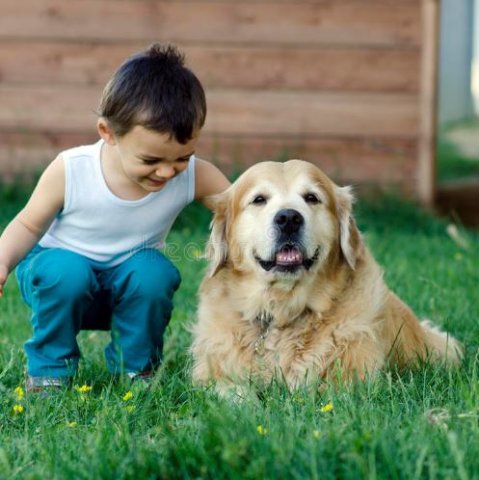
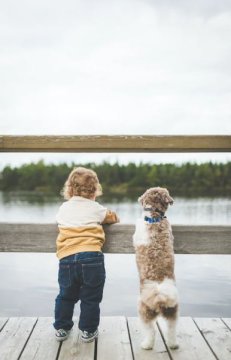
Kids and dogs can live together brilliantly, but only when adults run the rules before the house turns into a paw-powered circus. The child needs to respect the dog’s space, and the dog needs calm habits around small humans. “They love each other” is cute. It is not a safety system.
How do you keep kids and dogs safe in the same home?
Safe kid-and-dog life is built on simple, boring, repeatable rules. No climbing on the dog. No grabbing food. No waking the dog. No cornering the dog. On the dog’s side: no jumping, no mouthy play, no body-slamming a child just because the ball appeared.
If the dog is strong outside, do not treat walking gear as decoration. Start by understanding what actually helps when a dog pulls hard, because the same dog who naps beside a child can still hit the leash like a small truck outside.
Why does adult supervision matter so much?
Real supervision means reading the dog before the dog has to shout. Watch for freezing, head turning, lip licking, wide eyes, moving away or suddenly going still.
The risky moment is usually quiet. A child hugs too tight. The dog stops moving. Someone laughs. Then the dog decides the cuddle prison is over. That five-second gap is where adults either step in or learn the hard way.
What should kids never do around dogs?
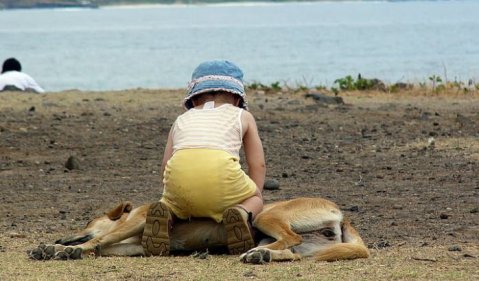
Kids should not ride dogs, pull tails, grab ears, take toys from the mouth, touch food bowls or crawl into the dog’s resting place.
A dog’s bed is not a playground. A sleeping dog is not a surprise button. And a chew toy in a dog’s mouth is not a negotiation exercise for tiny fingers. These are simple rules, but they save a lot of drama.
What should a dog learn around children?
The dog should learn calm greetings, waiting, moving away on cue and keeping teeth off hands during play. A puppy jump is funny until the puppy grows into muscle with opinions.
With Staffies and other bull-type dogs, power is part of the picture. One happy chest lean, one launch after a toy, one shoulder bump in a hallway — and a child can go down without the dog meaning any harm. Sweet dog. Bad physics.
Why does collar stability matter near children?
Collar stability matters because control needs to happen before the dog reaches the gate, the stroller, the child with snacks or the other dog across the street. Soft, narrow or weak gear makes that control fuzzy.
The 5-second check is brutal and useful: if the collar spins 90°, folds into a thin pressure line, or lets the dog drive forward with the whole chest, it is not just “comfortable-looking.” It is making the handler late. For everyday control, a solid classic leather collar that stays predictable under pull is a smarter start than pretty gear with no backbone.
When is a half check collar the better call?
A half check collar makes sense when a dog slips backward, tests the collar or hits the leash hard enough that extra security matters.
It still needs training. No tool turns chaos into manners by magic. But if the dog can back out near a child, road or open door, that is not a cute trick. That is a risk with a wagging tail. For that situation, compare half check collars made for more secure handling before choosing a standard collar.
Fast decision flow
- Calm dog, steady walks: choose a firm classic collar and keep child-led handling limited and supervised.
- Dog pulls hard or twists the collar: fix width, fit and construction first; weak collars lose the fight early.
- Dog backs out of collars: consider a properly fitted half check collar plus calmer leash training.
- Still unsure: read harness vs collar and where owners usually get it wrong.
Common mistakes
Letting the child crowd the dog
Hugging, leaning, lying on the dog or blocking the dog’s exit can look adorable on a phone screen. In real life, it removes choice. Dogs need a way out before they feel forced to push back.
Missing the quiet warnings
Dogs often do not start with a snap. They start with tiny signals. Freeze. Turn away. Lick lips. Leave. Ignore those, and the next signal may be louder.
Buying photo gear instead of working gear
Some collars look neat until the leash goes tight. Then the strap twists, the pressure narrows, the buckle shifts and the handler suddenly has less dog than expected. Looks can sell a collar. Real pull exposes it.
Workshop view
From the workshop side, family safety is not just about commands. It is about that one messy second when a dog sees movement, the child runs, the leash snaps tight and the handler needs the gear to stay honest. Leather, width, stitching and hardware are not fancy details there. They are the difference between steering and hoping.
And hope is a terrible leash.
Who needs this advice?
- families raising kids with a dog
- homes bringing in a puppy
- owners of Staffies and strong bull-type dogs
- people whose dog is gentle indoors but explosive outdoors
- anyone choosing between a classic collar, harness and half check collar
Final summary
Kids and dogs can be a brilliant team when adults build the rules early. Give the dog space, teach the child respect, and never confuse tolerance with safety. If the dog is strong, choose gear that stays stable when the leash goes tight. The best family dog setup is simple: less chaos, more control, and nobody learning lessons the hard way.
Frequently asked questions
Can kids and dogs be alone together?
No. Even friendly dogs and careful kids need adult supervision because accidents happen quickly.
How do I teach my child dog safety?
Teach clear rules: no waking, no grabbing, no riding, no food bowl touching and always let the dog walk away.
How can I tell my dog needs space?
Freezing, turning away, lip licking, whale eye, yawning or leaving the room are common signs.
Are Staffies safe with children?
They can be, with training, supervision and sensible handling. Their strength means excitement must be managed.
Should a child walk a strong dog?
No child should walk a strong dog alone. Stable gear helps, but adult control is still the main safety point.
Real Dogs