How to Teach a Powerful Dog to Walk on Leash Without Turning Every Walk Into a Tug Match
Short answer:
A powerful dog learns leash manners when pulling stops getting results. The basic rule is brutally simple: tight leash stops the walk, loose leash starts the walk again. For strong dogs, the collar and leash have to stay steady when the dog loads into them, otherwise your training gets buried under twisted gear and bad timing.
How do you teach a powerful dog to walk on leash without pulling?
You teach a powerful dog not to pull by changing the payoff. If the dog pulls and still reaches the smell, the dog, the person, the gate or the squirrel-shaped emergency, pulling just got paid. That is the whole game. Dogs repeat what works, especially when what works gets them somewhere interesting.
When the dog is strong, the next step is not only “train more”. It is “make the whole setup make sense”. For the gear side, read what truly holds under pressure when the pull strikes. If your current collar already looks tired, stretched or misshapen, the guide on how long a dog collar should last in real use helps you decide whether it is still doing its job.
Why does my strong dog keep pulling?
Your dog keeps pulling because pulling has a history of success.
Maybe it started small. A few extra steps toward a tree. One fast launch toward another dog. A little pressure, and you followed. That is enough. The dog builds a pattern: lean forward, load the leash, gain ground. It is not moral failure. It is learned efficiency with paws.
What happens when the dog suddenly launches?
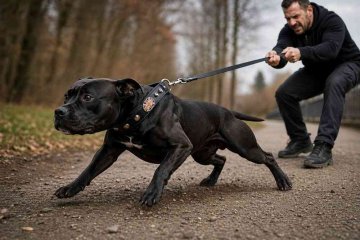
When a strong dog launches, the walk becomes a pressure test.
The dog sees a trigger, throws weight into the front end and drives through the chest. If the collar spins 90°, the pressure dumps into one narrow line and your signal becomes mud. That is the quick reality check: if the collar twists in five seconds, your leash lesson just got hijacked by physics.
What is the mistake most owners miss?
They focus on obedience but let the equipment reward chaos.
A thin, soft or tired collar may look fine while the dog is standing still. Under real pull, it can curl, slide, stretch around the holes and shift pressure where you do not want it. The photo says “cute walk”. The sidewalk says “good luck, captain”. Looks are easy. Holding clean under pressure is the hard part.
What should I do the second the leash goes tight?
Stop moving.
No yanking match. No shouting. No heroic lecture in the street. Just stop. The dog wanted movement, and movement disappears. The moment the leash relaxes, you walk again. Timing matters. The dog has to feel the difference clearly: pressure closes the door, slack opens it.
How do I make loose leash walking worth it?
Pay the behaviour you want before the dog goes shopping for chaos.
Reward check-ins, slower steps, relaxed leash moments and staying within your walking zone. Use food, praise, direction changes and sniff breaks. Many dogs would trade a biscuit for a good sniff without blinking. Use that. A controlled sniff can be a reward, not a defeat.
What collar is best when a powerful dog pulls?
A firm, wider leather collar is often the better starting point for a strong dog that pulls forward.
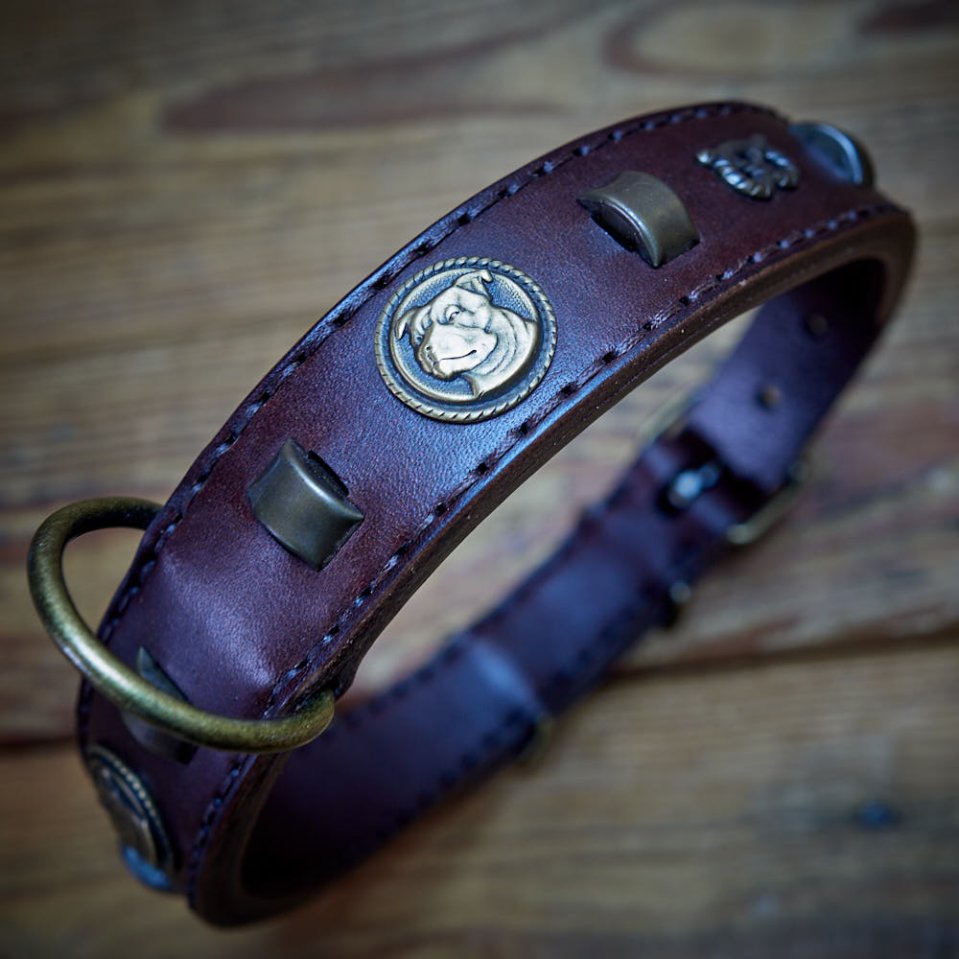
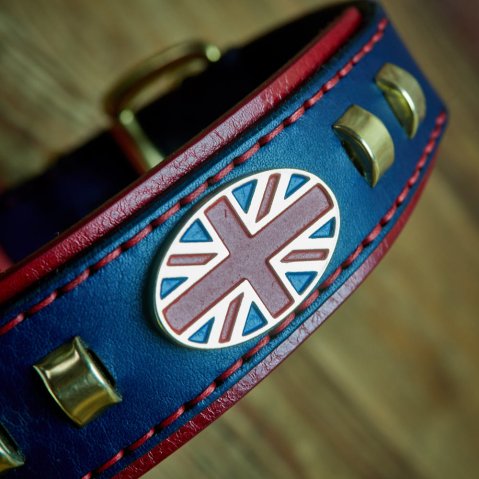
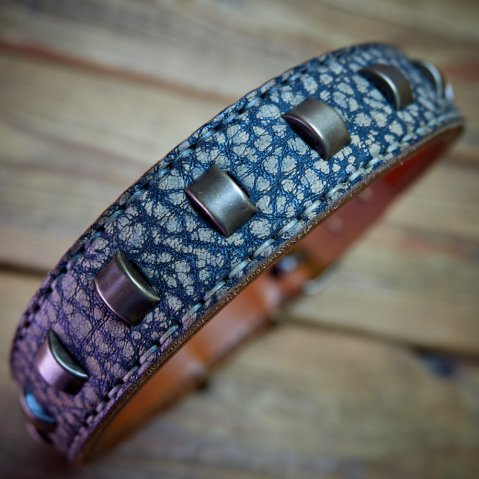
The Buffalo collar for dogs that hit the leash with real force makes sense when pressure needs to be spread and the collar must keep its shape. If the dog is powerful but you want a cleaner classic setup for daily walking, the King’s Colours classic collar for steady everyday control fits the job without overcomplicating the walk.
Does the leash affect pulling training?
Yes, because the leash controls timing and feedback.
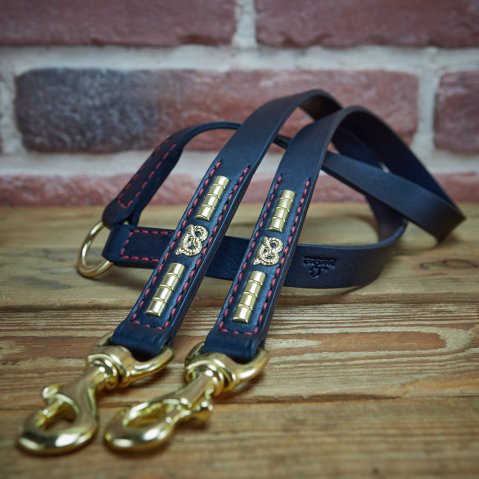
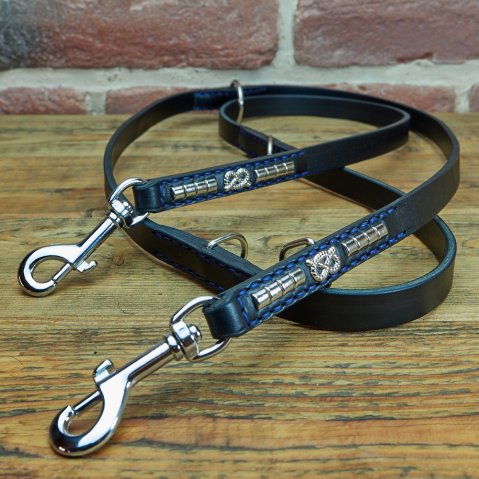
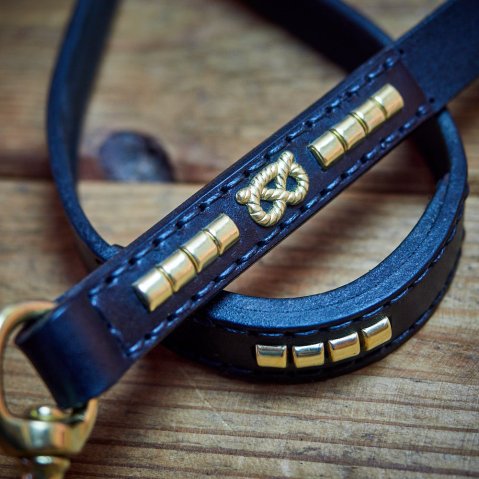
If the leash is too stretchy, too long or too messy in the hand, your message arrives late. Flexi leads often make the issue worse because the dog feels tension and still gains distance. For a cleaner connection, the Skunk’s Fail lead for direct handling under pressure keeps the signal simple. For changing walking setups, the Free Hand leash for different activities and distances gives more structure than random leash juggling.
Decision flow: pick the right next step
- If your dog pulls but stays in the collar: use stop-and-go training with a classic leather collar that stays readable.
- If your dog drives hard into the leash: move toward a wider Buffalo collar built for heavier pressure.
- If your hand contact feels sloppy: choose the Craze lead for a firmer, cleaner grip.
- If two dogs turn walks into rope spaghetti: use Side by Side brace fittings for controlled paired walking.
- If you are unsure: fix width, fit and construction before blaming the dog or buying another “miracle” trick.
Common mistakes
Letting pulling work on busy days
The dog does not understand “only today because I am late”. If pulling works on Monday, the dog will try it on Tuesday. Consistency is not fancy. It is the part that works.
Using a collar that looks good but folds in use
A collar can look sharp in a product photo and still fail the street test. If it bends, twists or slides when the dog loads the leash, the pressure gets ugly and your control gets noisy.
Making the walk boring and then blaming the dog
A powerful dog with no job will invent one. Usually that job involves scanning, rushing and towing. Add changes of direction, structured sniffing and short reward windows so the dog has something useful to do.
Expert view
Leash pulling is not one problem. It is a stack: motivation, reward history, timing, body mechanics and equipment. When one layer fails, the owner feels it in the shoulder. In workshop terms, a collar is not proven by how it looks new. It is proven after months of sweat, pressure, weather, sudden launches and daily handling.
That is why a collar like the Vintage Paws collar for dogs that need real structure behind the look belongs only where the function makes sense too. The detail can look good. Fine. But the collar still has to be a working piece of kit. Pretty does not get a pass when the dog finds fifth gear.
Who is this for?
- Owners of compact, strong dogs that load the leash fast.
- Dogs that see a trigger and launch before you finish one thought.
- Walkers whose collar rotates, slides or loses shape.
- People who train but accidentally keep rewarding tension.
- Anyone tired of walks that feel like being towed by a gym bag with opinions.
Final summary
A powerful dog stops pulling when pulling stops working. Keep the rule clean: tight leash stops the walk, loose leash brings the walk back. Then support that rule with gear that stays stable when the dog puts real weight into it.
Your next step is simple: study what holds when the pull actually strikes, then check whether your current collar still passes the real-use test in how long a dog collar should last. Training sets the rules. Solid gear keeps the rules from getting dragged down the street.
Frequently asked questions
Can a strong dog learn loose-leash walking?
Yes. Strong dogs can learn it well, but the rule must be consistent and the equipment must stay clear under pressure.
Should I pull back when my dog pulls?
Usually no. Pulling back often turns the walk into a contest. Stop, wait for slack, then move again.
What collar helps with leash pulling?
A firm, wider collar can help by spreading pressure and staying more stable. It still needs proper fit and training.
Why are flexi leashes bad for pulling dogs?
They often teach that tension still creates distance. That makes loose-leash training harder, especially with powerful dogs.
What if my dog only pulls around other dogs?
Work farther from triggers first. Reward calm distance, stop when tension appears, and reduce the distance only when your dog can stay readable.
Real Dogs