How to Wax a Leather Dog Collar the Right Way — Especially If Your Dog Pulls Hard
Quick answer:
If your dog pulls hard, leather care is not cosmetic. It is maintenance. Beeswax helps leather stay flexible, resist water, and hold together under leash pressure — but only when you use the right amount. Too much wax can turn a firm collar soft and unstable fast.
Why strong dogs destroy dry leather faster
A calm dog and a hard puller do not test gear the same way. Not even close.
The second a strong dog slams into the leash, the collar takes a brutal hit in a few exact places — buckle holes, folded leather near hardware, and pressure points around the D-ring.
Dry leather loses flexibility first. Then it starts fighting against movement instead of working with it.
You usually notice it fast:
- the collar twists sideways
- the leather feels stiff after rain
- edges start looking rough
- the collar no longer sits flat on the neck
That is not “patina.” That is the beginning of failure.
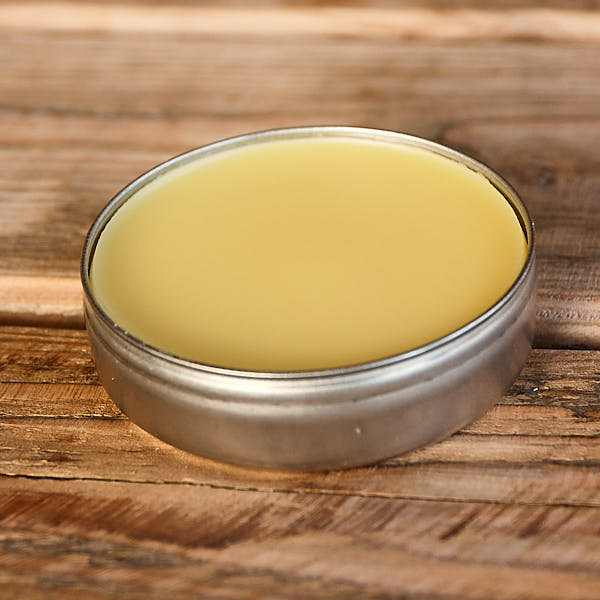
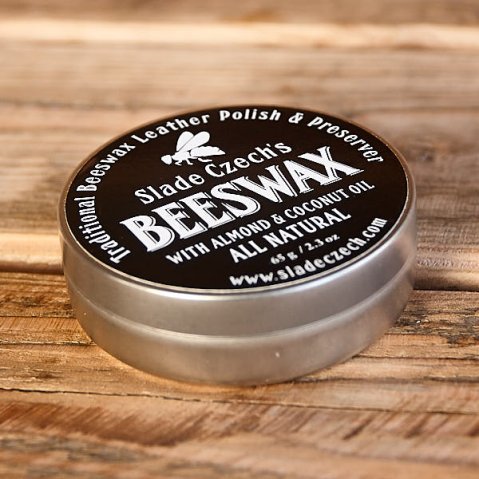
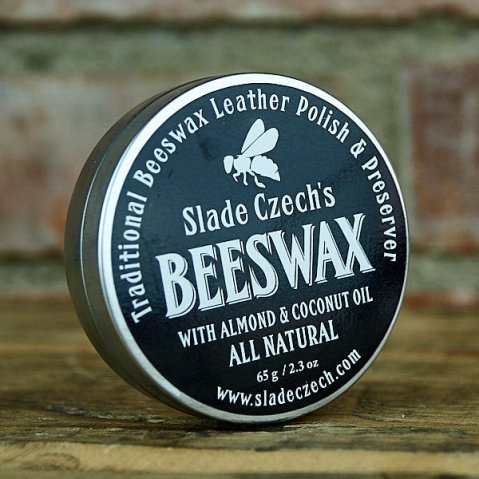
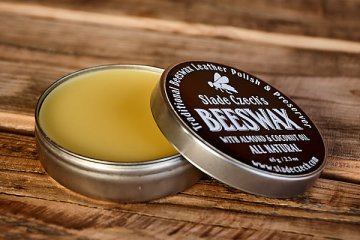
Using Beeswax for Leather regularly helps slow all of this down before the damage becomes visible.
If you are also trying to figure out whether your current gear is already near the end of its lifespan, read this next: How Long Should a Dog Collar Last?
How to apply beeswax the right way
Clean the gear first
Never trap dirt under wax.
Mud and grit act like sandpaper once the collar starts bending under leash pressure.
Let wet leather dry naturally. No heaters. No hairdryers. Fast heat cooks moisture out of the leather and turns it stiff.
Use less product than you think
This is where people mess up.
Strong dog collars need structure. If the leather becomes too soft, the collar starts folding and rotating during pulling instead of spreading pressure correctly across the neck.
Use a thin layer only.
Focus mainly on:
- buckle holes
- folded sections
- high-friction edges
- areas around metal hardware
Let the leather absorb it slowly
Good leather takes time to absorb wax properly.
If the collar still feels greasy hours later, you used too much.
The difference between “looks good” and “works in real life”
Some collars photograph beautifully.
Then the dog explodes after a squirrel and the whole thing folds sideways like wet cardboard.
That is the real test.
Good leather gear is not just about appearance. It is about how the collar behaves during tension, twisting, pressure, sudden leash hits, and everyday abuse.
Real leather dog gear should hold shape under stress — not just survive photos.
Decision Flow — What should you actually do?
- Dog barely pulls? Light waxing every few months is enough.
- Dog hits the leash hard? Inspect stress points regularly and wax before the leather dries out.
- Leather twists during pulling? You may already have a width or construction problem.
- Gear gets soaked often? Maintenance matters a lot more.
- Not sure if the issue is maintenance or design? Solve collar width and structure first.
If you know that satisfying feeling when properly maintained leather starts feeling alive again in your hands, this article nails it perfectly: When Collars and Leashes Squeak With Joy
Common mistakes owners make
Over-conditioning the leather
Soft does not always mean strong. A heavy-duty leather collar still needs firmness.
Ignoring rain damage
Water itself is not the biggest problem. Drying without care is.
Thinking cracks appear suddenly
Most collars warn you early. Stiffness and twisting come first.
Using random oils from the garage or kitchen
A strong dog collar should not feel floppy after treatment.
Workshop perspective
After years around bull-type dogs and real pulling power, one thing becomes obvious fast: strong dogs expose weak leather care routines immediately.
Daily pressure slowly beats neglected leather down from the inside.
The gear still looks “fine” right up until the day it does not.
Who should care most about leather maintenance?
- owners of strong pullers
- Staffy owners
- dogs training daily on leash
- people walking in rain, snow, and mud
- owners using handmade leather dog collars every day
Final takeaway
Beeswax is not there to baby the leather. It is there to keep real dog gear working longer under real pressure.
A well-maintained collar stays stable, flexible, and reliable when the leash suddenly goes tight.
And dogs that pull hard always separate decorative leather from working leather faster than owners do.
FAQ
How often should I wax a leather dog collar?
Usually every few months, but strong pullers and wet conditions may require more frequent care.
Can too much beeswax ruin a collar?
Yes. Too much product can soften leather enough to reduce stability under pulling pressure.
Should I wax wet leather gear?
No. Let it dry naturally first.
Why does my leather collar twist during walks?
The leather may be drying out, too soft, too narrow, or structurally weak for your dog’s pulling force.
Does beeswax help leather last longer?
Yes. Regular maintenance helps leather resist cracking, drying, and stress damage.
Real Dogs