How to Care for Leather Dog Collars and Leashes With Beeswax Without Ruining the Leather
Short answer:
Beeswax helps leather dog collars and leashes stay flexible, resistant to moisture, and less likely to crack under daily use. The key is using a small amount, applying it evenly, and treating the leather before it becomes dry and stiff. Overloading leather with wax can soften it too much and weaken its structure over time.
Why does leather dog gear need beeswax care?
Leather lives. It reacts to rain, cold weather, leash tension, sun, mud, road salt, and daily bending. A collar that looks perfect on day one can slowly dry out from the inside if nobody takes care of it.
This becomes obvious very quickly on stronger dogs. The moment a dog hits the leash hard, all pressure goes into a few specific areas — around the buckle holes, folded leather sections, and leash attachment points. Dry leather handles that pressure badly.
If you already noticed your collar becoming stiff after wet walks, this is usually the first warning sign. The leather starts losing flexibility long before visible cracks appear.
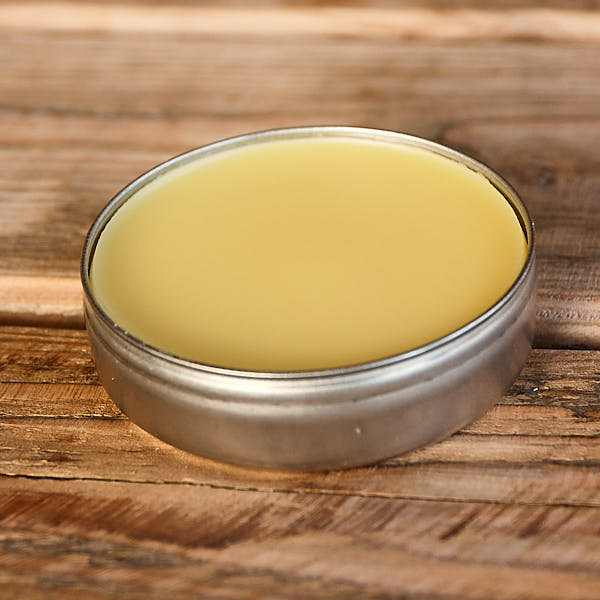
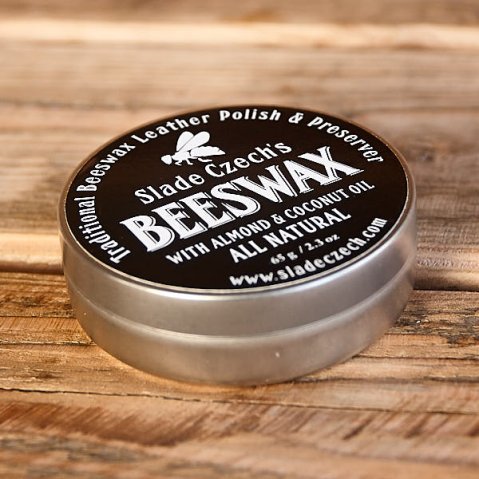
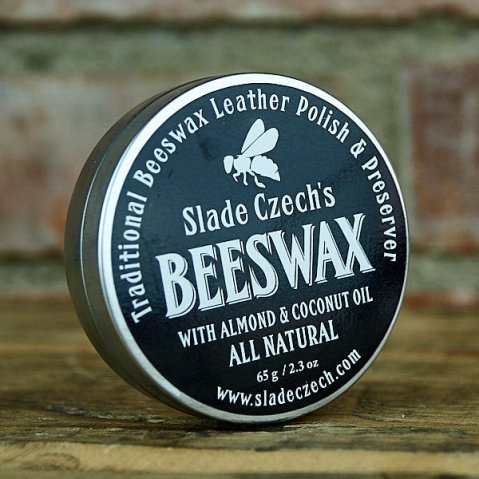
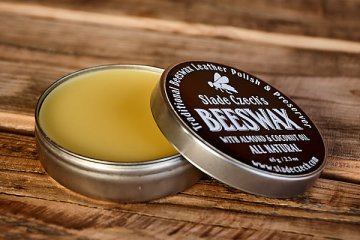
That is exactly why products like Beeswax for Leather exist. The goal is not to make leather shiny for photos. The goal is helping the material survive real-life use.
If you also wonder how long quality leather gear should realistically survive in daily use, this related article explains the bigger picture: How Long Does a Dog Collar Last?
How to apply beeswax to a leather dog collar or leash
The biggest mistake is treating beeswax like shoe polish. Thick layers do not mean better protection.
A proper leather collar should still feel firm after treatment. Especially on stronger dogs, overly softened leather can start twisting under pressure instead of distributing force correctly.
Step 1 — Clean the leather first
Never apply wax onto muddy or dusty leather. Dirt trapped under wax slowly damages the surface every time the collar bends.
Use a soft cloth and let wet leather dry naturally. Never place collars directly on heating sources. Fast drying is one of the fastest ways to make leather brittle.
Step 2 — Apply a small amount
Use only a thin layer of beeswax. Massage it into the leather with a cloth or fingers. Focus mainly on stress areas:
- buckle holes
- folded sections
- edges exposed to rain and friction
- areas around hardware
The leather should absorb the wax, not drown in it.
Step 3 — Let the leather rest
After treatment, let the collar or leash rest for several hours. This allows the wax to settle deeper into the material.
If the leather still feels greasy the next morning, too much product was used.
What happens when leather care is ignored?
The first problem is usually not visual. It is structural.
You suddenly notice the collar rotating sideways when the dog pulls. The leather no longer keeps its original shape. Pressure starts concentrating into one narrow line instead of spreading across the collar width.
That is your 5-second warning.
Cheap or neglected collars often look fine until the exact moment the dog lunges hard after another dog, rabbit, or sudden movement. Then you hear the creak, feel the stretch, and realize the leather has already weakened internally.
Pretty leather on Instagram means nothing if the collar folds like cardboard under tension.
Decision Flow — When does beeswax care matter most?
- If your dog walks calmly: light maintenance every few months is usually enough.
- If your dog pulls hard: check stress points regularly and wax the leather before it dries out.
- If the collar gets wet often: beeswax protection becomes much more important.
- If the leather twists or stiffens: the problem is already starting.
- If you are unsure: focus first on leather thickness, collar width, and construction quality — not only maintenance.
If you enjoy the feeling of properly maintained leather gear, this article captures that strangely satisfying moment perfectly: When Collars and Leashes Squeak With Joy
Common mistakes
Using too much wax
Leather should stay stable, not floppy. Over-conditioning weakens structure over time.
Ignoring wet leather
Wet leather that dries without care slowly hardens and starts cracking around stress points.
Only caring about appearance
Shiny leather means nothing if the inside fibers are already dry and tired.
Using random household oils
Some oils soften leather aggressively and destroy firmness. A collar for a strong dog should not feel like a kitchen glove.
Expert view
One thing becomes obvious after years of making leather dog gear: the real enemy is not dirt. It is neglect combined with pressure.
A powerful dog creates repeated stress every single day. Tiny movements. Sudden hits. Constant bending near hardware. That is where weak maintenance routines show up first.
Well-maintained leather ages differently. It develops character instead of collapsing.
Who benefits most from beeswax leather care?
- owners of strong pulling dogs
- Staffordshire Bull Terrier owners
- dogs walking daily in rain or snow
- people using real leather gear every day
- owners wanting longer leather lifespan without losing firmness
Final summary
Beeswax care is not about making leather look expensive. It is about helping the material survive real life.
A properly maintained leather collar stays flexible, stable, and reliable under daily stress. A neglected one slowly dries from the inside until the first real pull exposes the weakness.
Good leather does not ask for complicated care. Just consistent care.
And dogs that pull hard usually reveal the truth faster than any product description ever will.
Frequently Asked Questions
How often should I use beeswax on a leather dog collar?
Usually every few months, or more often if the collar gets wet frequently or is used daily by a strong pulling dog.
Can beeswax make leather too soft?
Yes. Too much product can weaken leather structure and make the collar twist more under pressure.
Should I wax wet leather?
No. Let the leather dry naturally first before applying beeswax.
Is beeswax good for leather dog leashes too?
Yes. Especially around folded sections and areas exposed to friction from hands and hardware.
How do I know leather is drying out?
The leather becomes stiff, lighter in color, rough on edges, or starts creaking more during movement.
Featured Dogs