Bull-Type Dogs Guide, Part 2: Bull & Bully – The Modern Crew
Short answer:
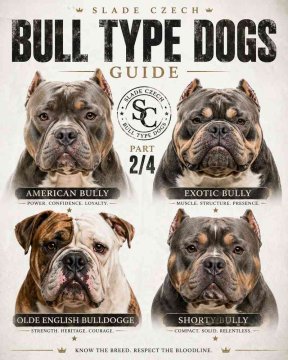
Modern bull & bully breeds may look like one muscular trend wave, but they are not one uniform package. American Bully, Exotic Bully, Olde English Bulldogge, and Shorty Bull differ in body proportions, movement, practical handling, and in how much their appearance supports function—or fights against it. If you missed the foundation, start with Part 1 about the core bull breeds.
Which dogs belong to the modern bull & bully group?
The modern bull & bully line-up commonly includes American Bully, Exotic Bully, Olde English Bulldogge, and Shorty Bull. They share visual weight, broad fronts, and a strong head-and-neck presence, but they are not built with the same priorities. Some are closer to balanced everyday function. Others push appearance much harder. That contrast matters more than the photos admit.
This is exactly where people get fooled. A thick neck, a broad chest, a low frame and a confident face can make different breeds look like slight variations of the same idea. In real life, that shortcut falls apart fast. How the dog breathes in motion, how it carries weight, how quickly it loads into the leash, how stable the topline stays, and how much structure still supports daily life—those are the details that tell the real story.
What defines American Bully, and why do the types matter?
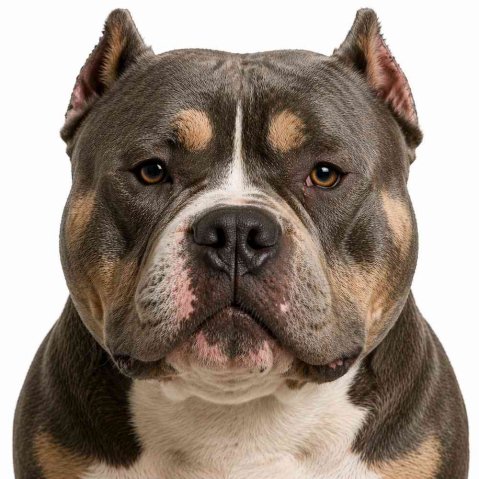
American Bully is the muscle machine of the modern group, but even inside the breed, the picture changes depending on type. Pocket, Standard, Classic, and XL do not create the same impression, the same outline, or the same practical handling feel. Same family, yes. Same reality, not even close.
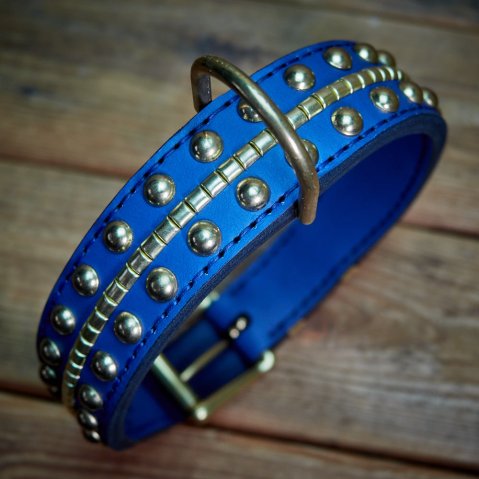
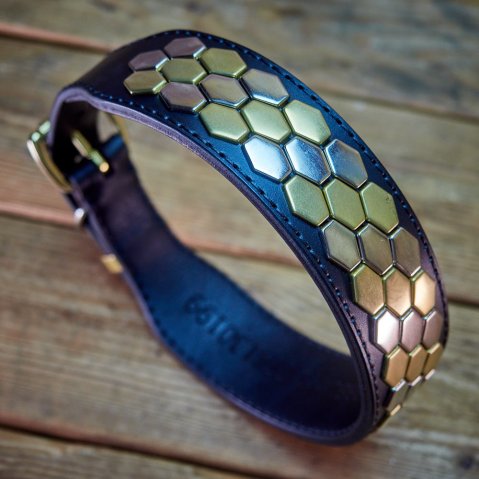
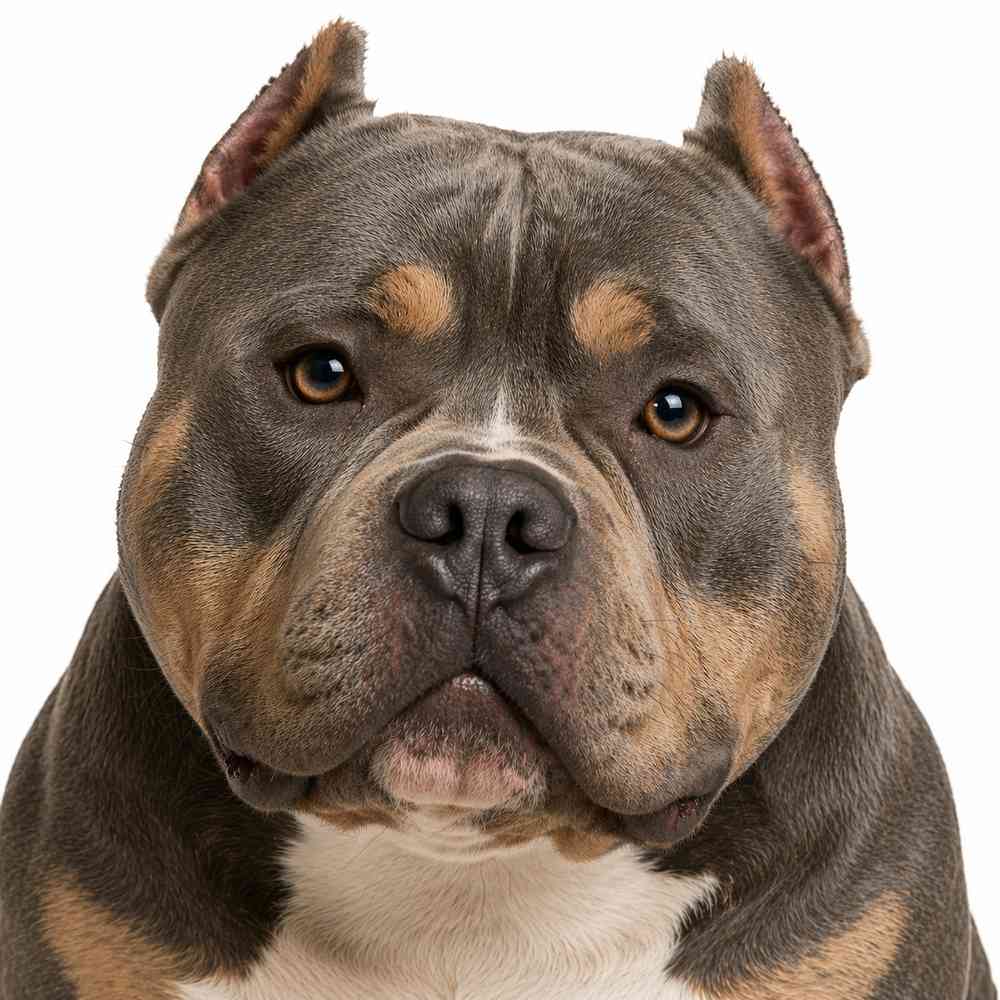 Pocket often looks compact and heavy for its height. Standard tends to sit in the middle as the more expected balance point. Classic usually carries a lighter, less overloaded outline. XL adds more frame and more visible mass. What they share is neck presence and a dog that can fill space visually before it even moves. That is why the Hexagon Classic Collar fits this breed so naturally in the article. It is a wide, 50 mm collar built for active use, designed to spread pressure better across strong neck muscles and give stronger dogs a bigger safety margin when ordinary gear starts waving a white flag.
With American Bullies, the trap is obvious: people often choose only for visual swagger. But on a dog with this much front, shoulder, and neck, the collar has to do more than look chunky. If it collapses, twists, or feels flimsy when the dog leans into the leash, the whole illusion breaks. Big presence needs honest structure. Otherwise it is just costume with a buckle.
Why is Exotic Bully such a debated topic?
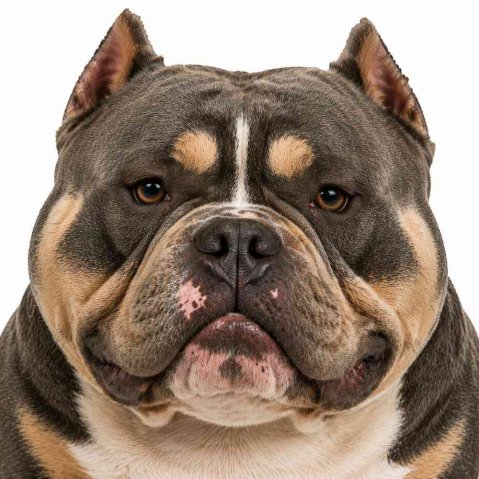
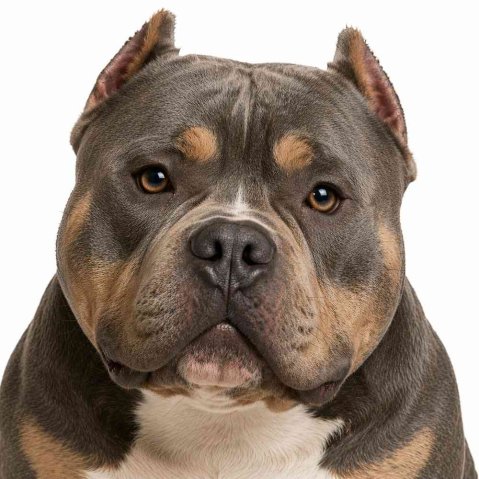
Exotic Bully sits right in the middle of the debate about how far appearance should be pushed before function starts sending angry letters. The breed type is known for its extreme look: heavier exaggeration, shorter frame, wider front, more visual impact packed into a compact body.
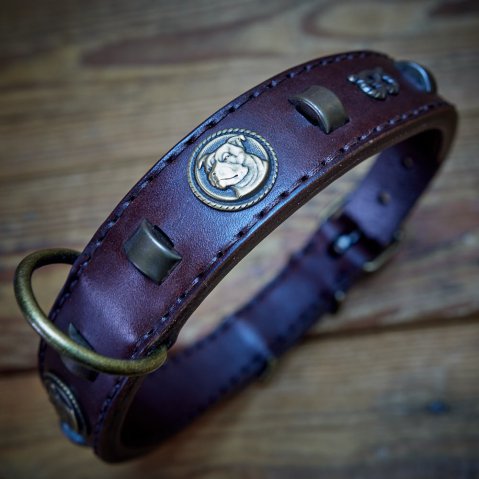
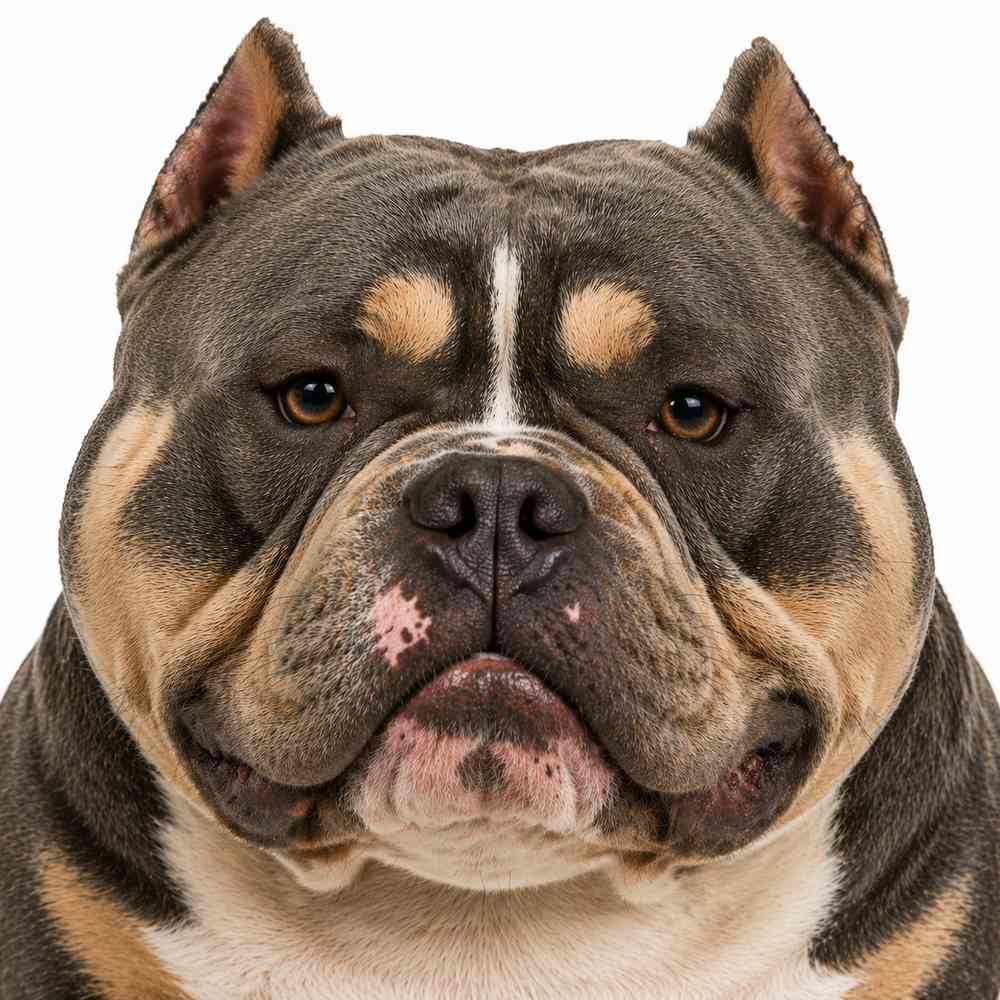 And that is exactly why the conversation around Exotic Bully never stays quiet for long. The more the body becomes a statement piece, the more people ask whether movement, breathing, and practical comfort are still keeping up. This is not a breed you can describe honestly with empty “cute but strong” nonsense. The tension between eye-catching look and usable body is the whole point. In that atmosphere, Vintage Paws makes sense as a product mention because it is a classic everyday leather collar with a worn-in, character-rich look that stands out without trying to scream louder than the dog. On a breed that already visually shouts, restraint can be smarter than more fireworks.
Exotic Bully is a perfect example of photo versus reality. In a still image, the breed can look like a walking sculpture. In motion, every structural choice starts talking. Loudly. That is why this breed belongs in the “discussion topic” category, not in the lazy bucket of “just another bully.”
What is Olde English Bulldogge really trying to bring back?
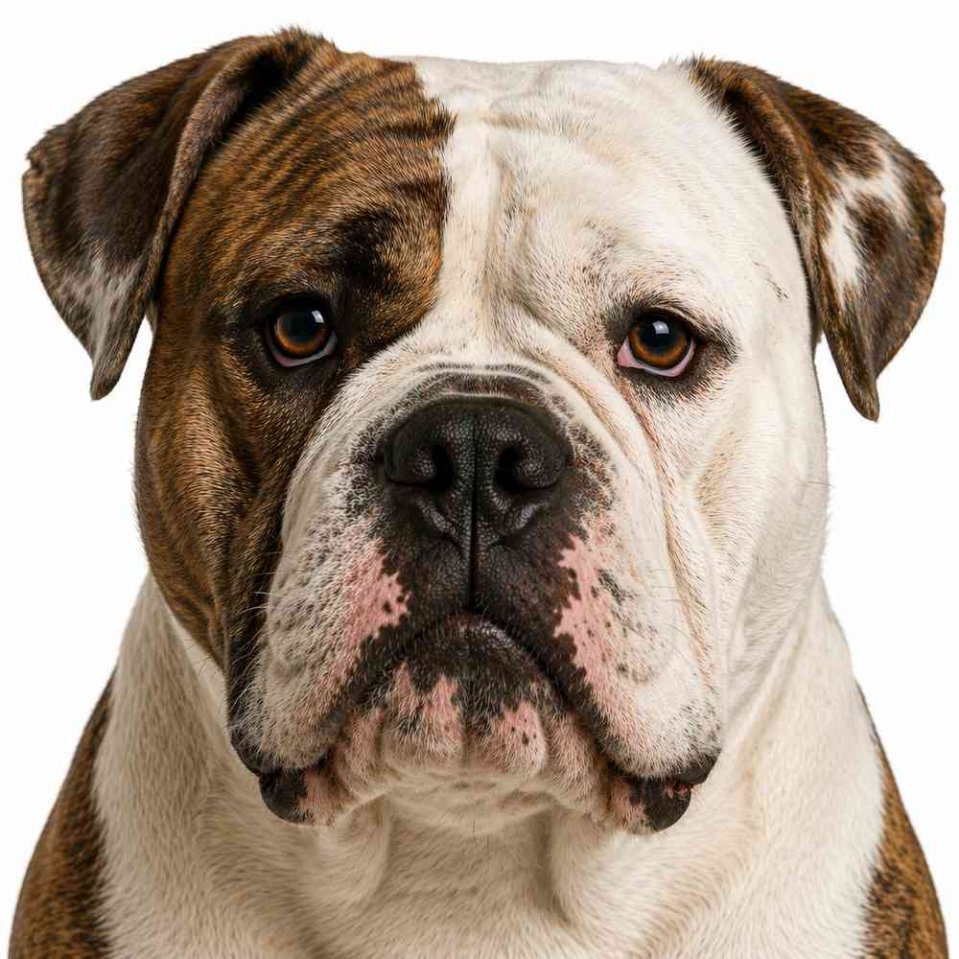
Olde English Bulldogge is often described as an attempt to bring back old bulldog strength without leaning so hard into the overdone extremes that created too many everyday problems. In other words: broad, powerful, bulldog character—but with more practical function still left in the machine.
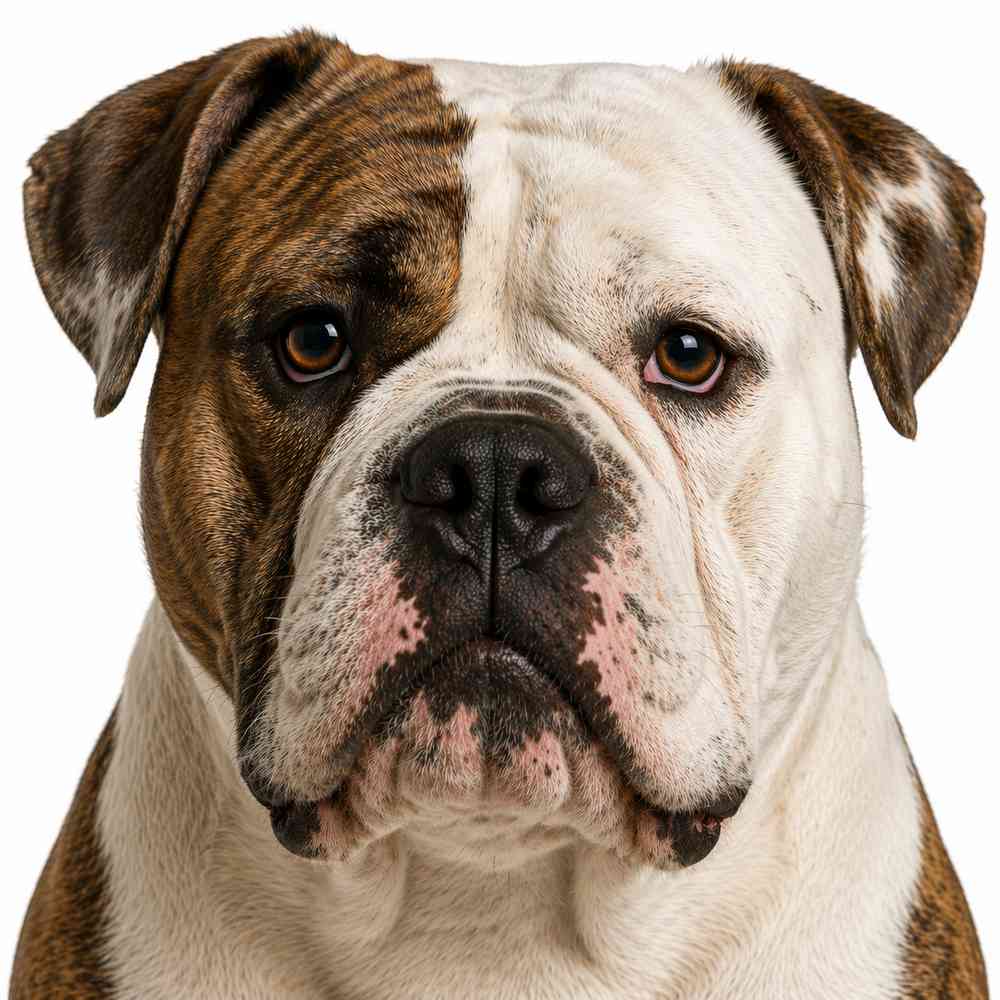 That balance is the whole attraction. The ideal is not a dog that only looks thick and tough while struggling in normal life. The appeal is in having substance, bone, chest, and bulldog expression while keeping more usefulness in movement and breathing. That is why the Beefy Bang Bang Classic Collar fits here so well. It offers extra-wide hold, spreads pressure more evenly, and is built for strong dogs that need clearer control without the collar feeling too weak for the body attached to it.
With Olde English Bulldogge, the practical question is simple: does the dog still look like it can live a normal physical life without the body arguing every step? When the answer is yes, the breed starts making real sense. When the answer is no, the old bulldog dream starts smelling more like modern exaggeration again.
Why is Shorty Bull small but impossible to ignore?
Shorty Bull is compact, cheeky, and built with a “small body, big attitude” energy that is hard to miss. It is one of those dogs that can look half comic relief, half street boss—sometimes in the same minute.
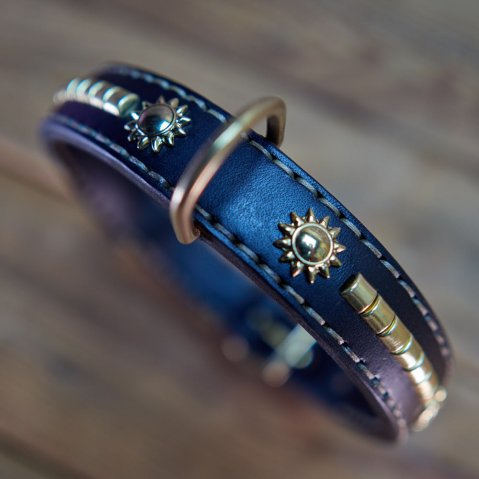
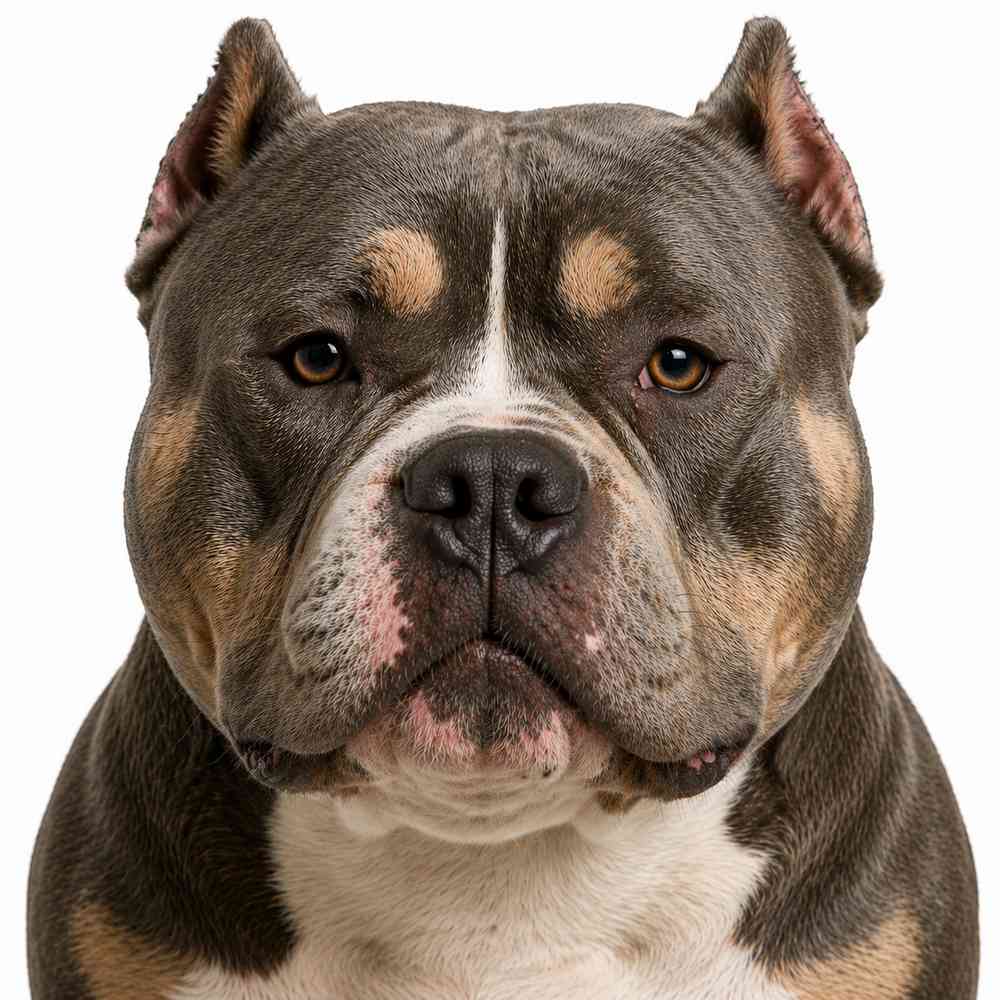 The mistake people make is underestimating it because of size. That is usually a rookie move. Small does not mean vague, soft, or decorative. A Shorty Bull can be intense, opinionated, and physically much more solid than the height suggests. That is why the Devon Classic Collar works here naturally. It is an everyday leather collar that keeps its shape, stays easy to handle, and fits the space between movement and calm—a good match for a breed that does not need visual overkill, but still deserves gear with character.
Shorty Bull has that Monday-morning kind of audacity: compact, direct, and not especially interested in anyone’s opinion. If the gear goes too cute, too toy-like, or too weak, the dog instantly outgrows it. Fast.
Common mistakes
- Treating all modern bully dogs as one trend package: similar silhouette does not mean the same function, movement, or daily comfort.
- Judging only by bulk: more muscle and more width do not automatically mean better structure or better handling.
- Confusing visual impact with usability: some dogs look dramatic standing still but reveal very different truths once they start moving.
- Choosing collars as decoration only: on strong, front-heavy dogs, pressure distribution and stability matter far more than clever styling alone.
Expert view
Modern bull & bully breeds are one of the clearest places to study the tension between image and function. Some types hold the balance well. Some drift into exaggeration fast. From a practical gear perspective, these breeds expose weak collars brutally: soft leather folds, narrow designs cut in, poor hardware feels underbuilt, and bad proportion makes a powerful dog look awkward instead of grounded. This is not the category where fake toughness survives for long.
Who is this overview useful for?
- For owners trying to understand the difference between modern bully looks and real everyday function.
- For readers who already know the classic bull breeds and want the next layer of the map.
- For people choosing gear for dogs with heavy necks, broad fronts, and strong leash pressure.
- For anyone curious where the line sits between striking appearance and practical body design.
Final summary
American Bully, Exotic Bully, Olde English Bulldogge, and Shorty Bull belong in the same modern bull & bully conversation, but they do not tell the same story. One leans into mass, another into debate, another into a more usable old-school bulldog balance, and another into compact swagger. Once you stop staring only at width and start watching structure, movement, breathing, and leash reality, the differences become impossible to ignore. Modern bully style can look loud. Real function is the part that decides whether it actually holds up.
Frequently asked questions
Are all American Bully types basically the same?
No. Pocket, Standard, Classic, and XL can differ a lot in outline, visual balance, and daily handling feel.
Why is Exotic Bully so controversial?
Because its extreme look raises repeated questions about whether appearance is starting to overpower practical function.
Is Olde English Bulldogge meant to be more functional than exaggerated bulldog types?
Yes, that is one of the main reasons people are drawn to it: strength with fewer exaggerated everyday problems.
Is Shorty Bull just a cute mini bulldog style dog?
No. It may be compact, but it usually carries a lot of attitude, body presence, and surprising solidity.
Do modern bully breeds need stronger collars than average dogs?
Very often yes. Broad necks, heavy fronts, and sudden pressure on the leash make collar construction more important than usual.
Featured Dogs