Why a Calm Dog Suddenly “Switches” in the City
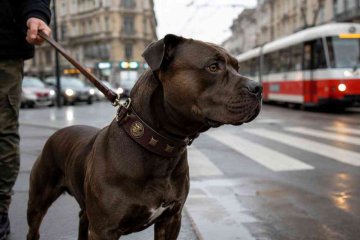
Quick answer:
A dog that is completely calm at home can suddenly react hard outside in busy city streets. Usually, it is not because the dog became “bad”. The real problem is overload — too much movement, pressure, noise and tension hitting the dog all at once. And that is exactly where you quickly discover whether your gear actually works… or only looks good online.
“He’s perfect at home.” Yeah. And outside?
This is something almost every owner of a stronger or more sensitive dog has experienced.
At home? Relaxed. Comfortable. Half asleep on the sofa.
Then you step outside.
A tram screeches behind you. A scooter flies past your leg. A loose dog appears around the corner. Traffic noise bounces everywhere. The leash tightens.
And within seconds, your calm dog suddenly feels like a loaded spring.
The biggest mistake people make? Thinking the dog is doing it on purpose.
In reality, many dogs are simply overloaded. Their brain stops filtering all the information around them efficiently. And in that exact moment, what sits around the dog’s neck — and what you hold in your hand — starts mattering a lot.
The city is a completely different world for dogs
At home, the environment makes sense. The dog knows what to expect.
The city works differently.
Everything moves. Something rattles. Something flashes. Someone gets too close too fast. Another dog is already stressed before yours even notices him.
Most owners underestimate how quickly pressure stacks.
Dogs rarely explode because of one thing alone.
- traffic noise
- tight pavements
- constant leash tension
- fast movement nearby
- human stress travelling through the leash
Then all it takes is one tiny trigger.
A skateboard. A barking dog. One sudden pull.
And everything goes from calm to chaos in seconds.
Dogs usually react long before people notice
This part matters a lot.
The dog is often already struggling before the barking or lunging starts.
The body stiffens. Breathing changes. Focus narrows. The leash stops feeling relaxed.
And this is exactly where unstable gear makes things worse.
Soft collars start rotating sideways. Narrow constructions push pressure into one thin line. Nervous leads make handling feel unstable.
Suddenly, instead of guiding the dog, it feels like holding onto a moving truck.
A more stable setup like the Wild Animal Classic Collar stays steadier around the neck when the dog suddenly changes direction or throws full body weight into the leash.
Looking good online is not the same as working in real life
This is the part many brands avoid talking about.
A lot of gear looks fantastic in polished photos. Clean leather. Shiny hardware. Stylish details.
Then real life happens.
The dog launches toward another dog near traffic. The collar twists. The leash folds. Cheap hardware suddenly feels terrifyingly weak.
In that moment, nobody cares how aesthetic the setup looked on Instagram.
That is why stronger handling tools like the Craze Lead make such a difference during busy city walks. The leash feels calmer, steadier and far less chaotic during sudden movement.
Decision flow: what usually helps most?
- If the dog mainly pulls from excitement → focus first on calmer leash handling and better stability.
- If the dog reacts strongly near traffic or other dogs → avoid soft collars that rotate under pressure.
- If the dog overloads in crowds → reduce leash tension before stress escalates.
- If the dog lunges suddenly and hard → prioritize construction over appearance.
- If uncontrolled dogs are common in your area → prepare safer handling before you actually need it.
If loose dogs and stressful encounters are part of your daily walks, the article “He’s friendly”… until he slams into your dog explains why stable control matters long before physical contact happens.
When does a muzzle make sense in the city?
Honestly? Earlier than many people think.
And not because the dog is aggressive.
Sometimes the city itself is simply too chaotic. Public transport. Crowded events. Tight spaces. Unpredictable situations.
A properly designed Buckler Muzzle can bring more calm not only to the environment, but also to the dog and the person holding the leash.
Because the worst thing is not a strong dog.
The worst thing is when everything becomes too intense at the same time.
The biggest mistake? People react too late
The leash is already tight. The dog is overloaded. The human is stressed too.
And only then do most people start thinking about whether their gear is actually helping.
In reality, many situations improve dramatically once:
- the leash stops staying tight all the time
- the collar stays stable around the neck
- pressure is distributed more evenly
- the owner stops feeding tension into the leash
Professional perspective
Most city-walk problems are not solved by one magic command.
Usually, improvement comes from combining:
- calmer handling
- better anticipation
- gear that does not create extra chaos under pressure
A good collar will not train the dog for you.
But when your dog suddenly hits the leash like a truck while a scooter flies past your knee, you recognise the difference between decoration and real equipment incredibly fast.
Final summary
Busy city environments overload dogs far faster than most people realise.
Often, the problem is not aggression or disobedience. It is simply too much pressure arriving at once.
And in those few seconds between calm and chaos, you discover very quickly whether your gear actually works… or only looked good in the product photos.