Bull-Type Dogs Guide, Part 4: The Wider Relatives and the Heavy Hitters
Short answer:
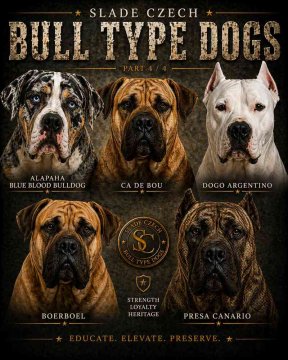
Alapaha Blue Blood Bulldog, Ca de Bou, Dogo Argentino, Boerboel, and Presa Canario belong to the broader bull-type conversation, but they bring a harder, more serious working and guarding edge than the earlier breeds in this series. They differ in origin and style, yet all demand respect for structure, strength, control, and equipment that is actually built for powerful dogs. For the full path through the series, continue from Part 1, Part 2, and Part 3.
Which breeds belong in the wider bull-type outer circle?
This part covers Alapaha Blue Blood Bulldog, Ca de Bou, Dogo Argentino, Boerboel, and Presa Canario. They do not fit neatly into one simple box, but they share one practical truth: these are not casual little “strong-looking” dogs for decorative handling. They are substantial, intense, and often built around real control, guarding presence, or serious physical capability.
This is where surface reading fails badly. Big head, short coat, broad chest, done? Not even close. One breed carries a steadier old-style bulldog feel, another brings island molosser strength, another moves like a white hunting weapon, another feels like a walking security team, and another can look at you like it already judged the room. These dogs do not just wear collars. They test them.
What defines Alapaha Blue Blood Bulldog?
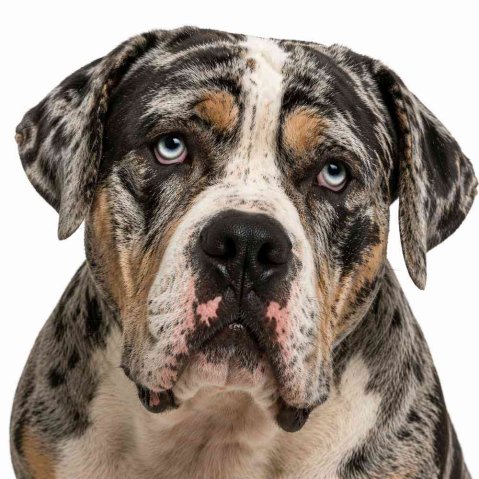
Alapaha Blue Blood Bulldog has the sort of old-school, serious presence that feels watchful even in stillness. It combines bulldog substance with athletic usefulness and a strong guarding mindset, which makes it a breed people tend to remember quickly once they see it in motion rather than only in a posed photo.
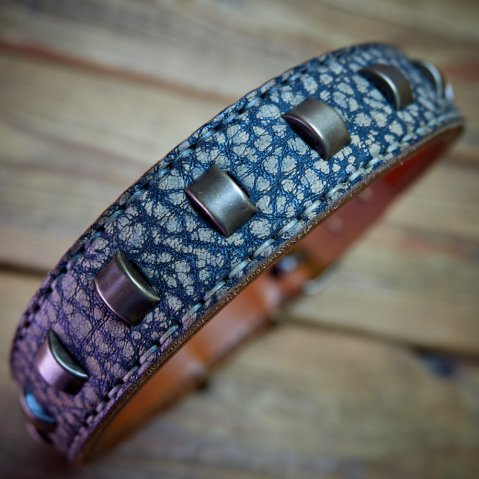
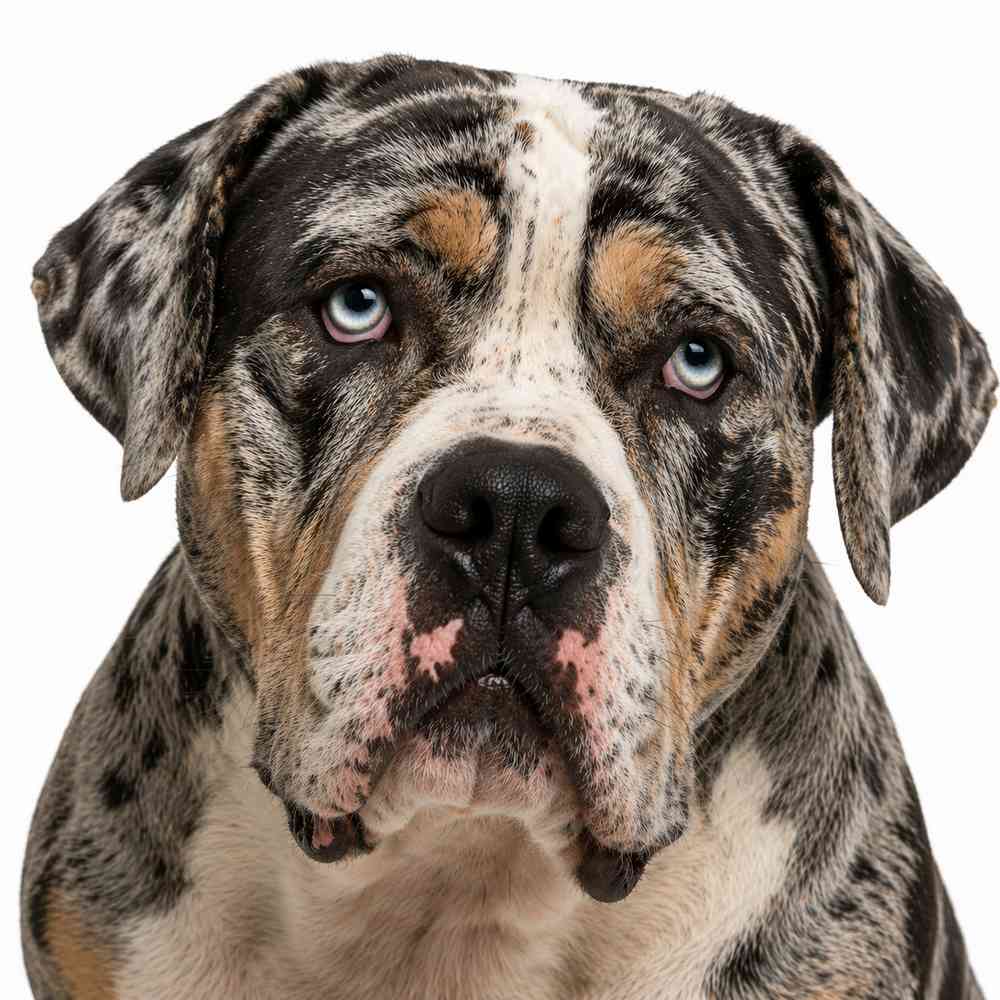 The key with Alapaha is that it should not look like a soft decorative bulldog with a dramatic name. It needs to carry real body purpose. Strong neck, real front, alert expression, and the sense that this dog is paying attention even when you are not. That is exactly why the Buffalo Collar fits here so naturally. It has the kind of neck presence and visual authority that suits a dog with guarding weight, while still working as a serious leather collar instead of turning into costume armour.
On an Alapaha, weak gear looks wrong instantly. If the collar twists, flattens, or feels like it is only there for photos, it ruins the impression of a breed that should read as grounded, capable, and switched on. This is not fluff with muscle paint. It is a dog that wants equipment to mean business.
Why does Ca de Bou feel so compact yet so powerful?
Ca de Bou, also known as Perro de Presa Mallorquin, has that dense, close-packed kind of strength that does not need exaggeration to feel heavy. It often looks compact, but not small. Controlled, but not mild. There is a lot of dog compressed into the frame.
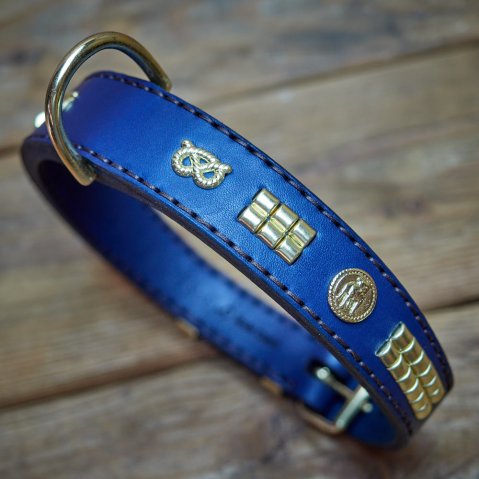
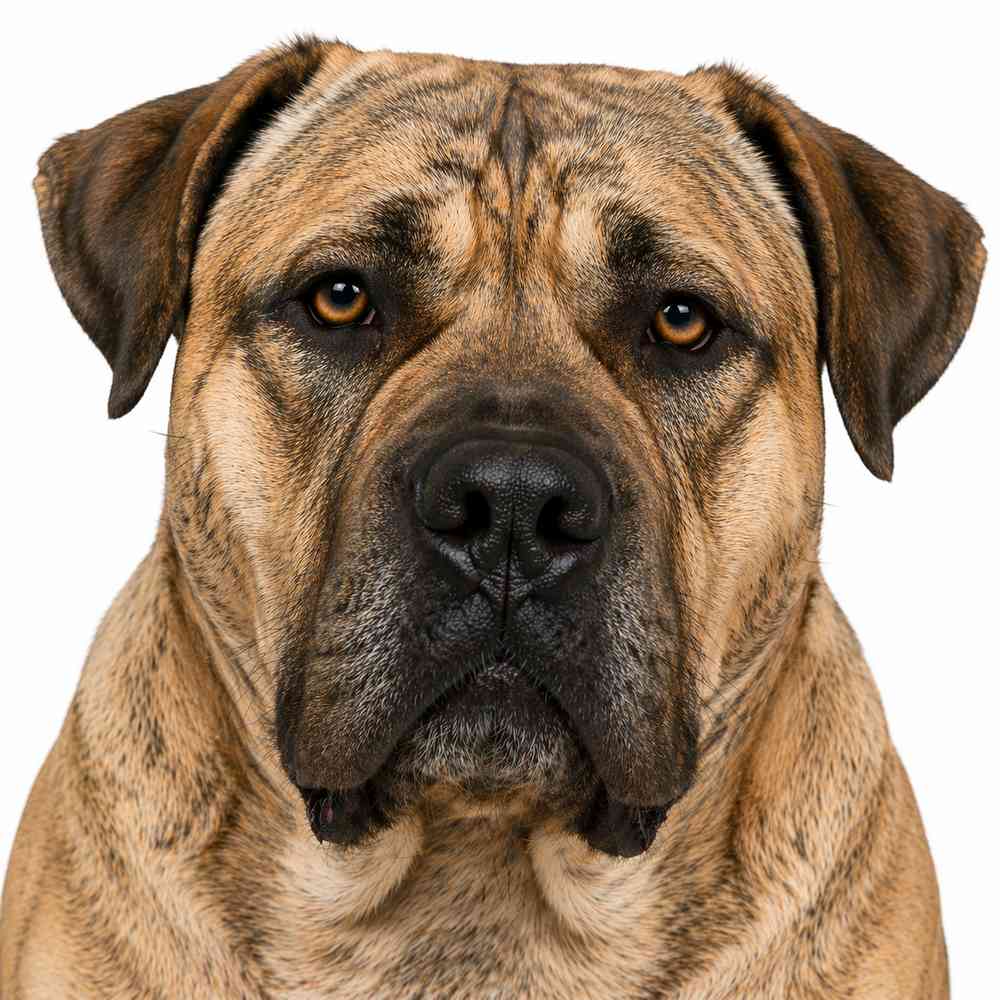 What makes Ca de Bou interesting is the balance between molosser substance and practical, steady body use. The breed should look strong without becoming a static block. That is why the Classic Viking Collar belongs here so well. It has enough visual weight and enough firmness to stand up to a breed with this much substance, without making the dog look overloaded or turning the neck into a hardware showroom.
Ca de Bou is the sort of breed where subtle weakness gets exposed fast. Too-soft leather, poor proportion, or a collar that looks clever in a product photo but collapses under real tension will feel out of place immediately. Compact power still demands honest structure.
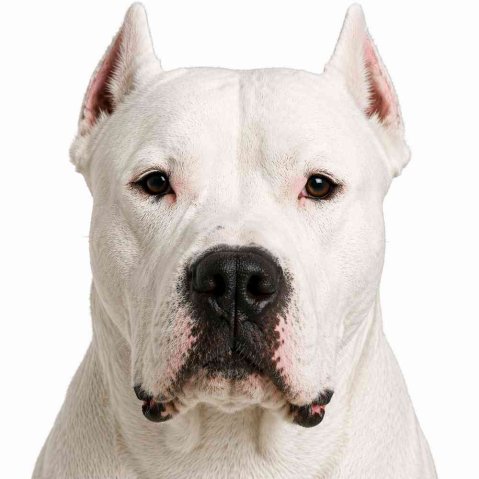
What makes Dogo Argentino such a different kind of power dog?
Dogo Argentino is not just another broad-headed strong breed. It carries a more driven, hunting-oriented kind of power—athletic, intense, fast to engage, and often far more movement-based than heavier guarding types. The white coat may look clean and elegant, but the body under it is built for serious action.
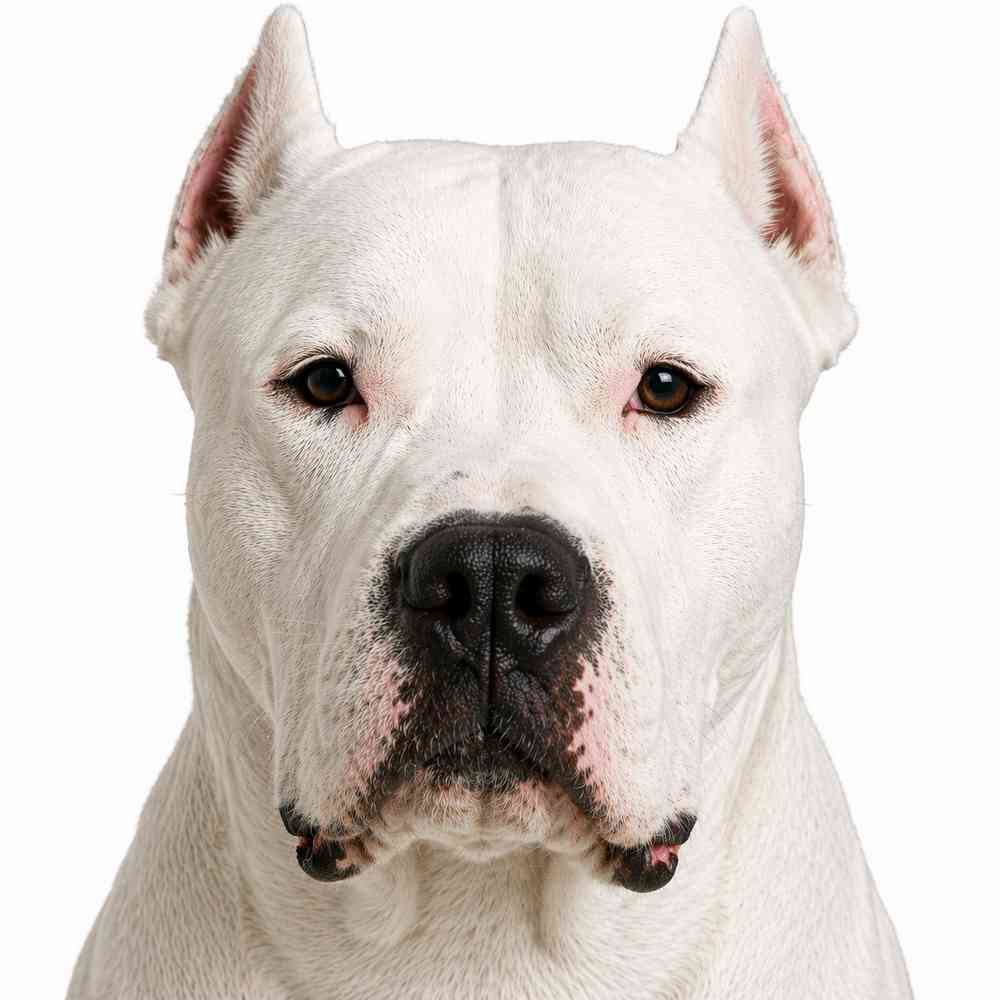 That is why Dogo Argentino should never be read as merely “a stylish white mastiff type.” It is cleaner in line, more athletic in expression, and more obviously tied to forward drive. The Hugger Mugger Classic Collar fits beautifully in this context because it works as a strong everyday leather collar for a serious dog without making the look clumsy. On a Dogo, the collar needs to support movement and control, not weigh the whole picture down.
Dogo Argentino is where the contrast between beautiful and functional becomes sharp. A dog can look polished and still be extremely serious. A collar that only plays at toughness will not survive that illusion for long once the dog starts loading into real movement.
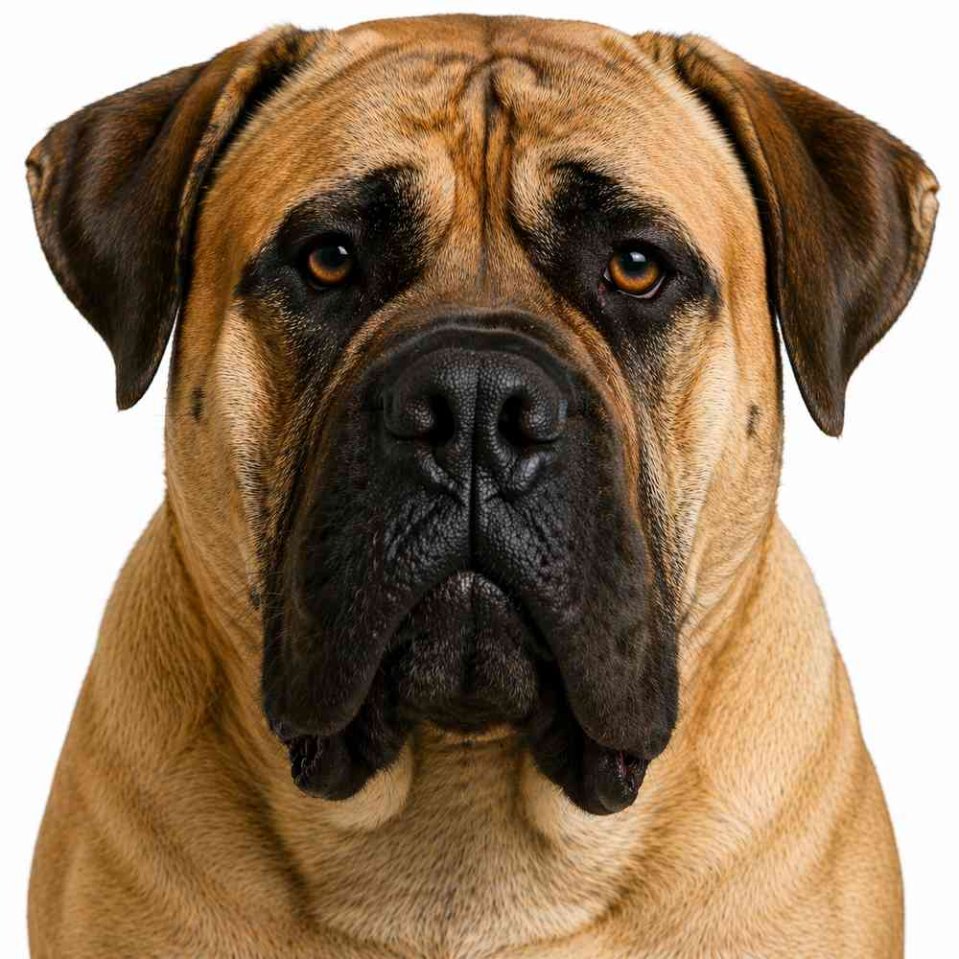
Why is Boerboel often described like a bodyguard?
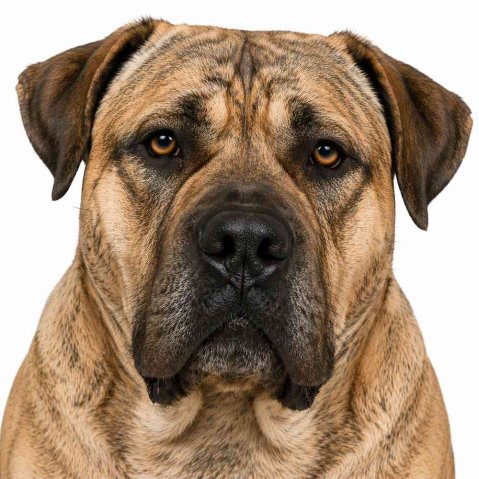
Boerboel has the sort of physical authority that makes the “bodyguard” comparison stick instantly. Big frame, serious head, enormous substance, and a calm but powerful kind of presence make it one of those breeds that can fill space without doing anything dramatic at all.
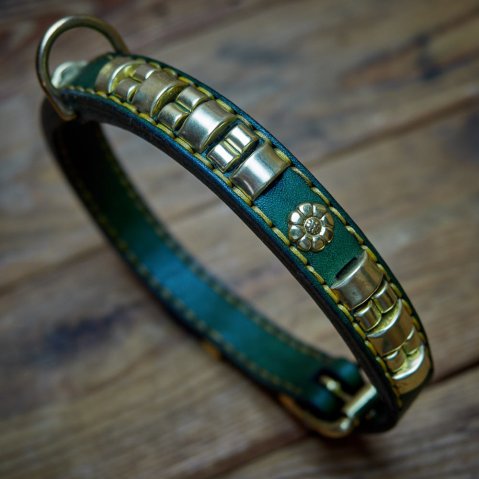
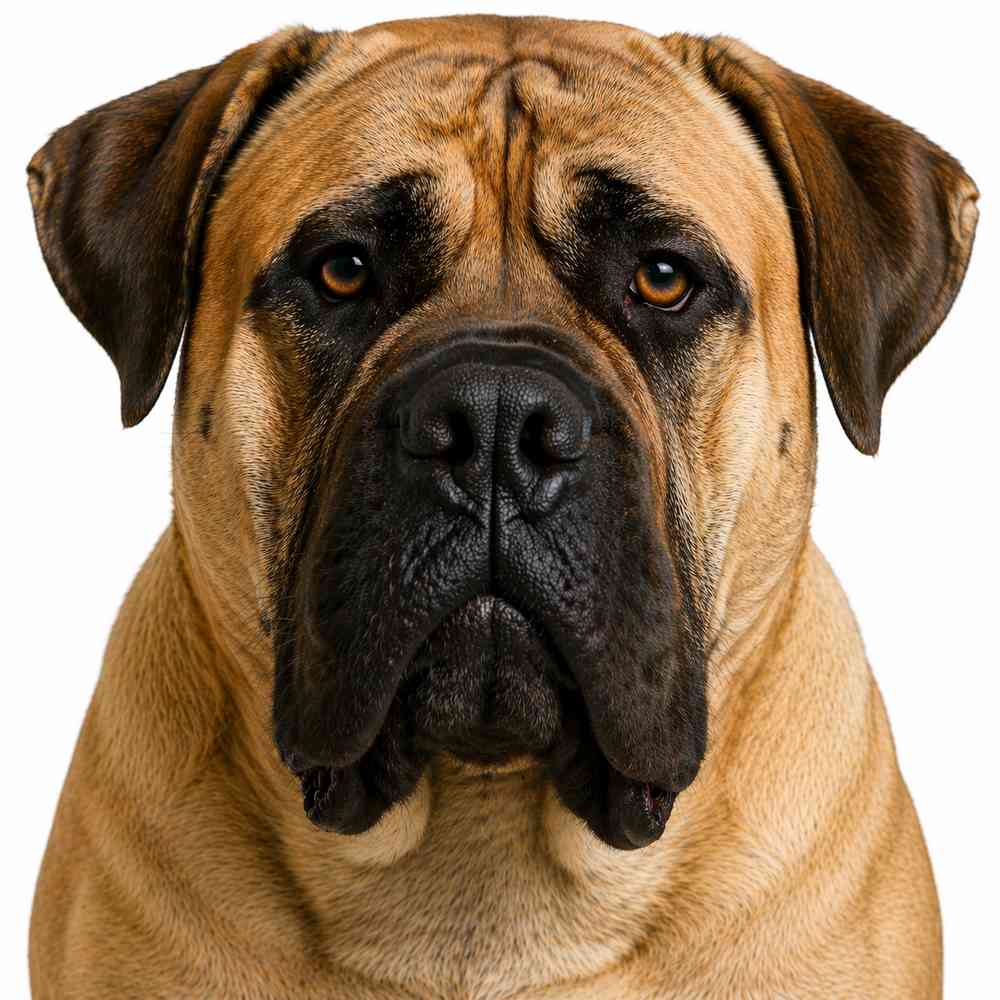 This is not a breed where gear can fake confidence. Boerboel wants real width, real strength, and real stability. That is exactly why the Two Tracks Classic Collar makes sense here. It has the stronger classic build a dog like this can wear without dwarfing its own neck, and it suits a breed whose power is not theatrical. It is just there, like a wall that decided to grow legs.
With Boerboel, proportion is everything. Too weak and the collar looks silly. Too decorative and it looks unserious. Too busy and it starts fighting the dog’s natural authority. A breed like this does not need visual shouting. It needs equipment that stands firm and shuts up.
Why does Presa Canario command respect so quickly?
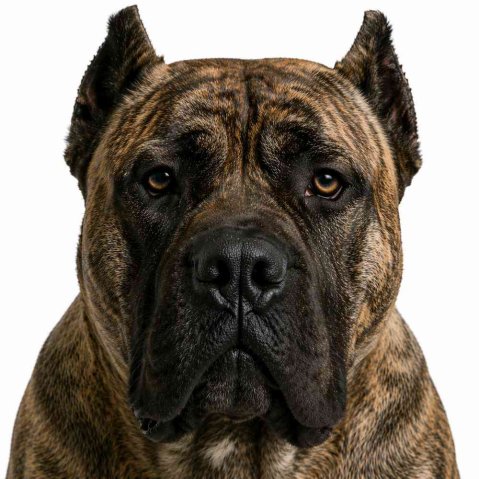
Presa Canario often gives that first-glance reaction of instant respect. The breed has a dense, powerful frame, a serious head, and a look that rarely feels accidental. It tends to carry a very direct kind of presence—less clown, less showman, more controlled pressure.
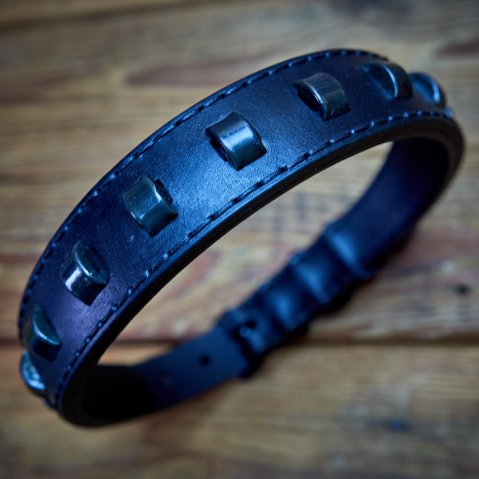
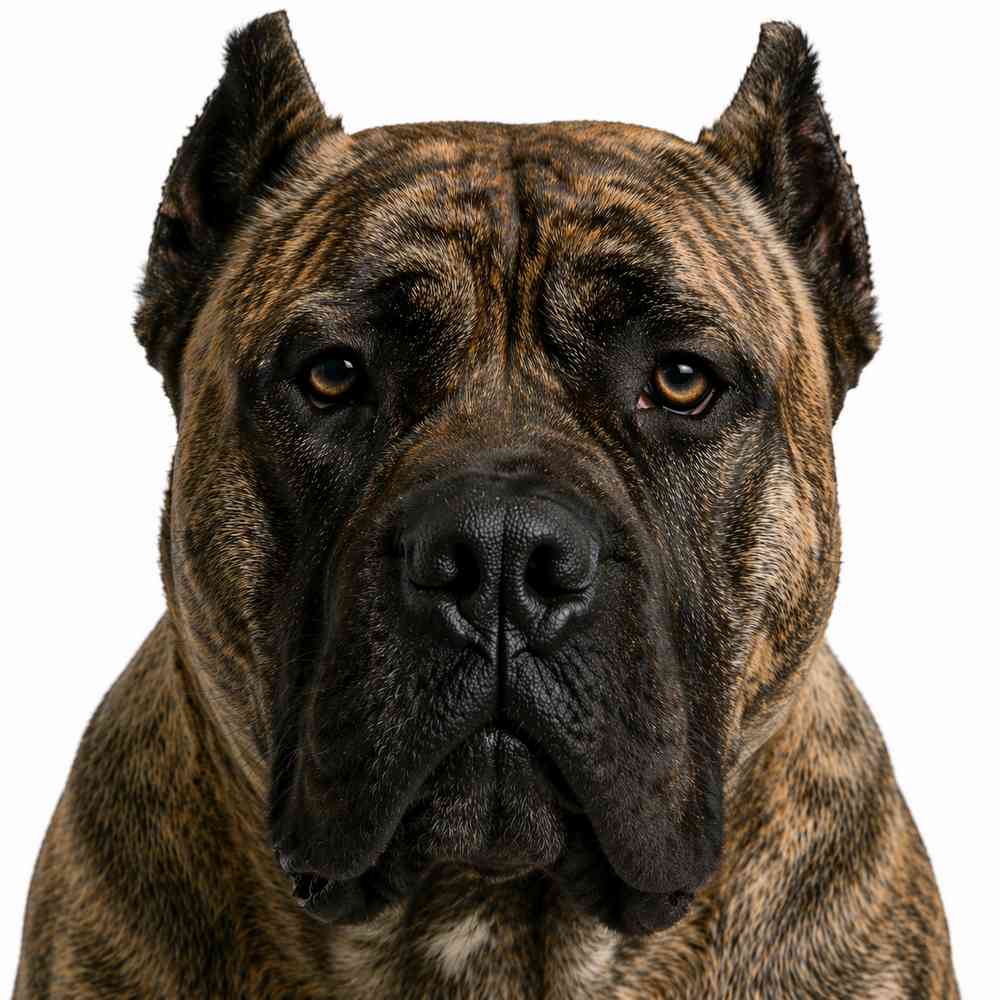 Presa is one of those dogs where fake strength gets laughed out of the room fast. The body says substance. The head says focus. The neck says do not improvise with weak gear. That is why the Classic Hardcore Collar fits this breed so well in the article. The name does not have to do all the work—the point is that the collar has enough real presence and practical seriousness to suit a breed that does not read as casual for even a second.
Presa Canario makes one lesson painfully clear: broad, strong dogs are not all the same. Some are loud in energy. Some are quiet and heavy in authority. Presa tends to belong to the second camp, and the equipment has to respect that. Not flatter it. Respect it.
Common mistakes
- Calling them all “mastiff-ish strong dogs”: that erases major differences in movement, purpose, and handling reality.
- Choosing collars by name or looks alone: these breeds punish weak construction much faster than average dogs.
- Ignoring neck proportion: powerful dogs need collars that sit correctly and spread force honestly.
- Confusing visual drama with seriousness: some of these breeds do not need loud styling because the dog itself already says enough.
Expert view
This outer circle of bull-type relatives is one of the best honesty tests in dog equipment. If the leather is too soft, the shape goes. If the hardware is weak, tension finds it. If the collar is too decorative, the breed can start looking costume-like instead of grounded. These are dogs that force you to notice the difference between aesthetic confidence and real structural confidence.
Who is this overview useful for?
- For readers who want the bigger picture beyond the usual bull and bulldog names.
- For owners of strong guarding or working breeds who need gear with practical authority.
- For people comparing power breeds by body function, not just by reputation.
- For anyone trying to understand where bull-type influence fades into other serious molosser territory.
Final summary
Alapaha Blue Blood Bulldog, Ca de Bou, Dogo Argentino, Boerboel, and Presa Canario are not one neat category, but they belong together in one important way: they all expose weakness quickly. In gear, in handling, in shallow breed reading, and in lazy assumptions. One is alert and guarding, one dense and compact, one hunting-driven, one massive and steady, one quietly intimidating. Once you stop staring only at head shape and start reading movement, pressure, control, and purpose, these dogs separate themselves very clearly. In this part of the map, respect is not a stylistic extra. It is the starting point.
Frequently asked questions
Is Dogo Argentino more athletic than Boerboel?
In many cases yes. Dogo Argentino usually reads as more movement-driven and hunting-oriented, while Boerboel feels heavier and more guarding-based.
Does Presa Canario need especially strong gear?
Very often yes. Its neck, body power, and overall seriousness make underbuilt equipment a bad idea.
Is Ca de Bou just another bulldog type?
No. It carries its own molosser balance, compact power, and distinct working presence.
Why is Alapaha Blue Blood Bulldog often remembered quickly?
Because it combines bulldog substance with alert guarding presence and a more serious, watchful overall impression.
Are these breeds suitable for decorative collars only?
No. These dogs need equipment that respects strength, control, and daily practical use.
Featured Dogs