For Dogs That Pull Like Lunatics
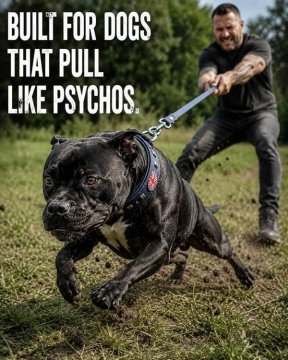
Some collars look great. Right until your dog slams into the lead at full speed.
That is the moment when nice photos stop mattering and real construction takes over. A strong dog does not test a collar politely. He loads it with body weight, timing and one glorious “I’ve got this” idea that usually arrives half a second before your arm notices.
Strong dogs expose weak gear fast.
Soft collars twist sideways. Thin leather folds into one sharp pressure line. Weak hardware starts moving, clicking or sitting where it should not. Narrow profiles dig in, especially when the dog pulls again and again in the same direction. What looked solid online can feel nervous on the first real walk.
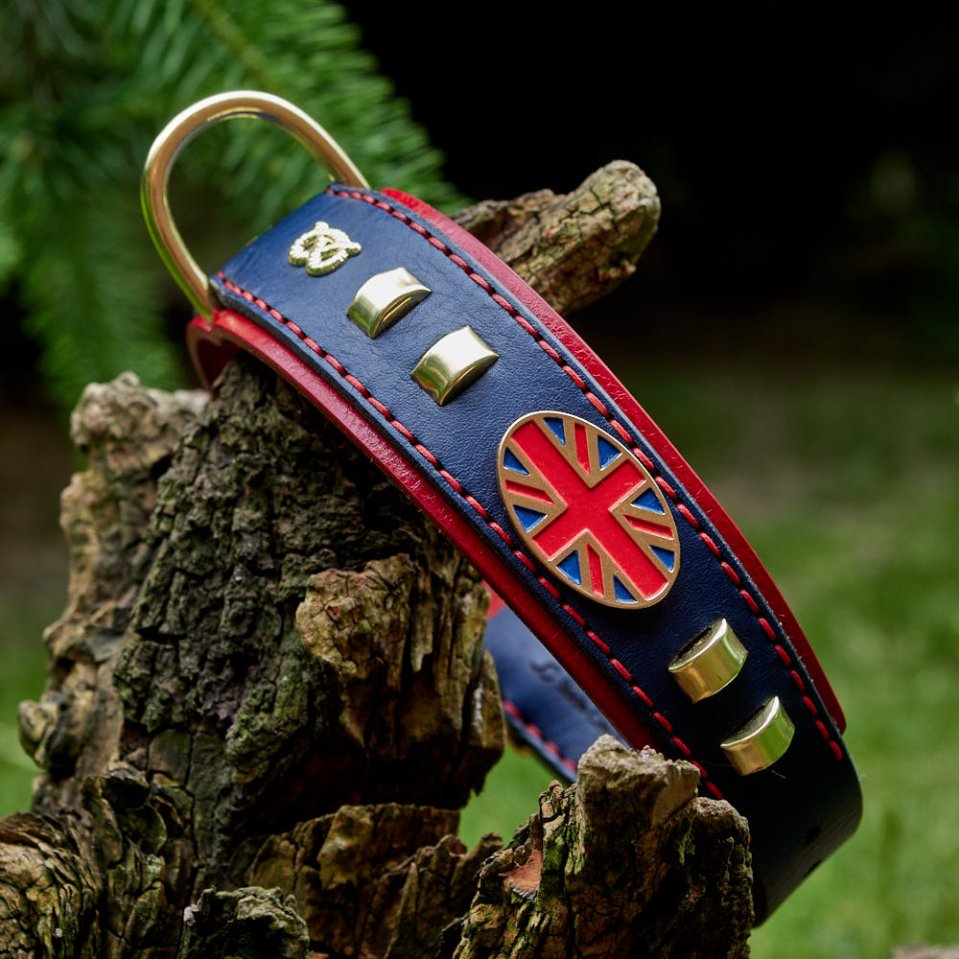
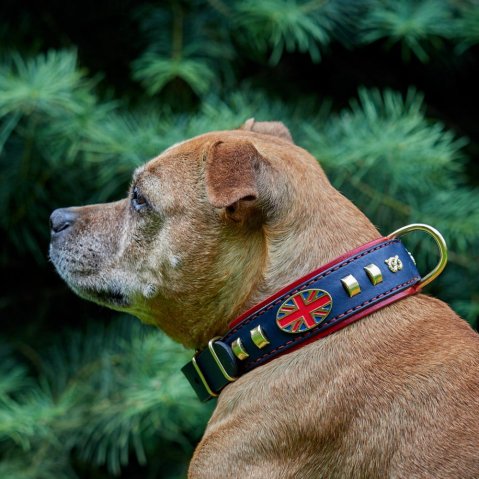
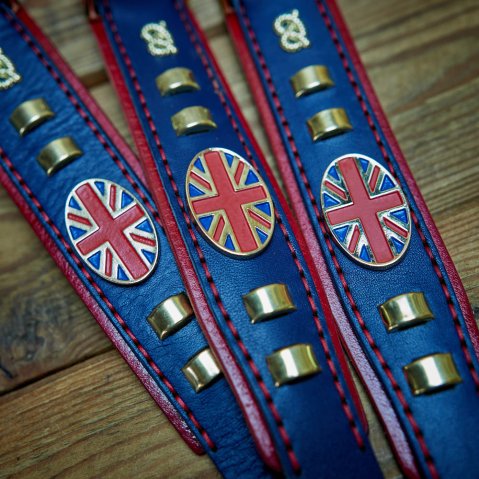
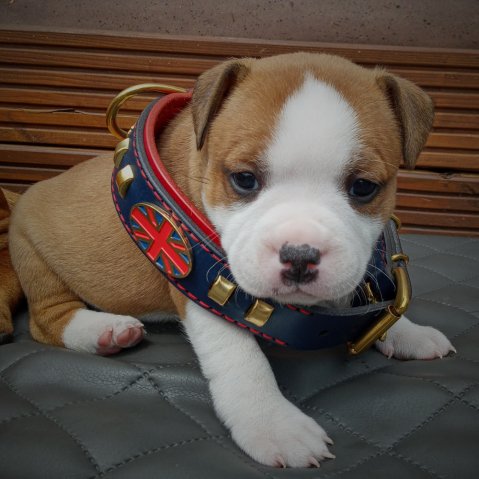
That is why the King’s Colours Classic Collar belongs early in the conversation. It is made for owners who want a bold leather collar with actual structure behind the look. Not a soft fashion strap. Not a cute accessory pretending to be serious. A handmade collar for dogs that bring pressure into the lead.
Not all collars are built for real pulling pressure.
👉 Discover the King’s Colours Classic Collar
Why cheap collars fail under pressure
Cheap collars usually fail in small ways before they fail completely. The collar starts rotating. The holes stretch. The buckle shifts sideways. The leather gets tired and the stitching begins to look like it has had enough of this lifestyle.
- Soft construction twists: the collar does not stay flat when the dog pulls.
- Thin leather folds: pressure goes into one edge instead of spreading across the collar.
- Weak hardware loosens: the buckle and ring stop feeling clean and predictable.
- Narrow profiles create pressure points: the dog’s force is concentrated into a smaller area.
- Unstable collars move during pulling: handling becomes messy exactly when you need control.
Owners of strong dogs know the difference immediately. A calm dog can hide weak gear for a while. A dog that pulls like a small engine exposes it before the walk has properly started.
Proof belongs in the details
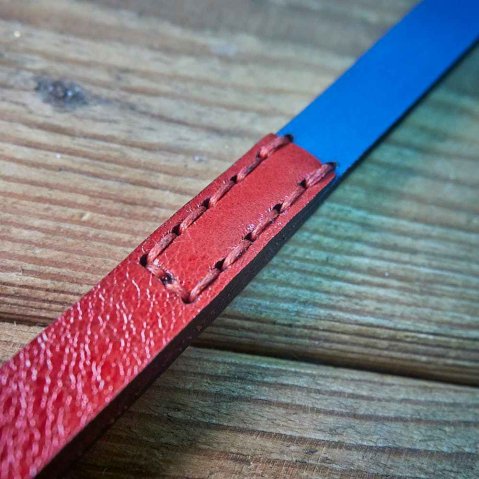
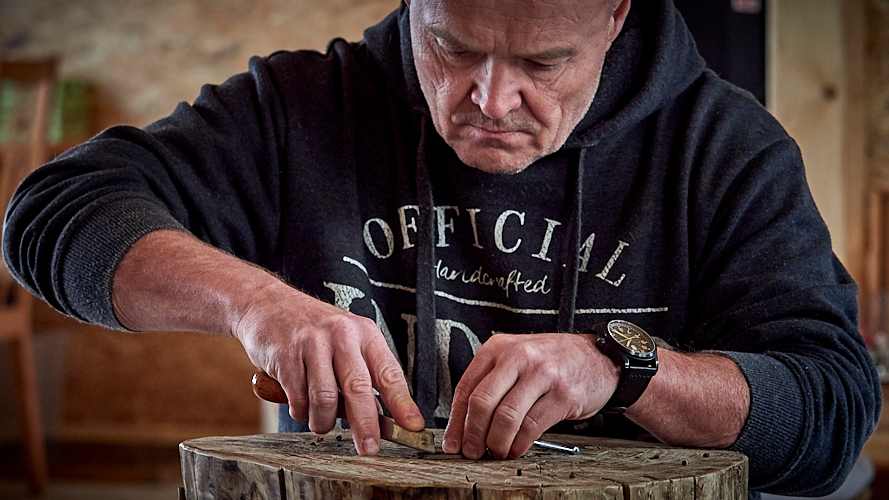
Words help. Details prove it. This kind of article should sit next to real visual proof: close-up hardware, stitching detail, collar width, leather texture, workshop hands, and ideally a dog wearing the collar under real lead tension. That is where the brain stops thinking “nice claims” and starts seeing why the gear costs more than a pet-shop strap.
A close-up of the buckle shows whether the hardware has presence. A stitching detail shows whether the collar is made like equipment, not decoration. A dog in pull shows whether the profile stays calm or starts dancing around the neck. That visual proof does more than decorate the page. It sells trust.
The lead is part of the system
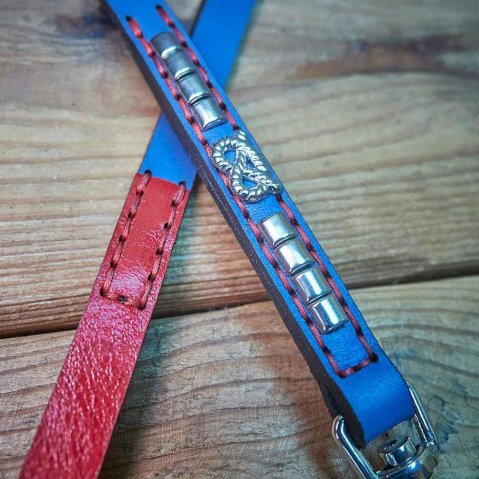
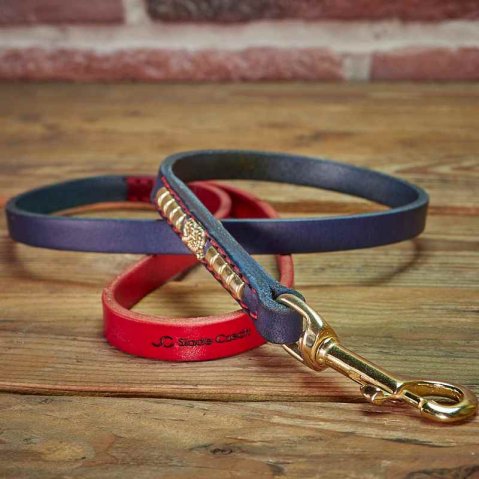
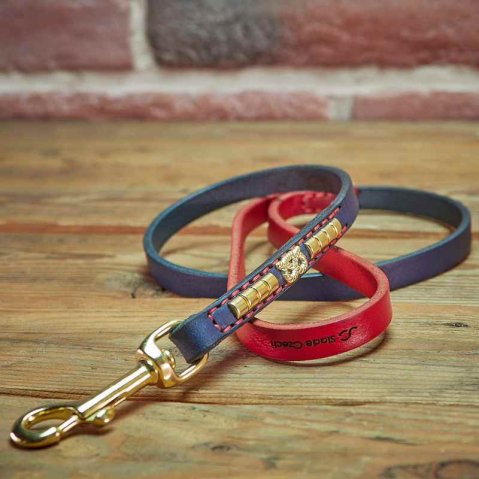
A strong collar with the wrong lead is only half a setup. If your dog hits the end of the lead hard, the clip, handle, length and grip matter too. That is where the Manyway Lead makes sense: it completes the handling side instead of leaving the collar to do all the work alone.
If your dog walks calmly, a strong classic collar may be enough. If your dog pulls, lunges, rotates collars or turns every exciting moment into a strength test, then width, structure and the lead setup deserve real attention.
Some collars only look ready. Strong dogs find out which ones actually are.
Featured Dogs