Bull-Type Dogs Guide, Part 3: The Bulldog Line
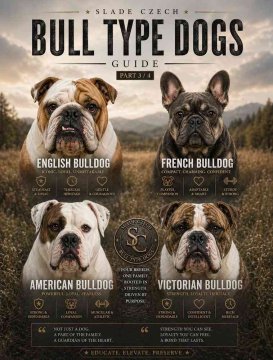
Short answer:
Bulldog breeds may look related, but they are not one interchangeable group. English Bulldog, French Bulldog, American Bulldog, and Victorian Bulldog differ in structure, breathing reality, movement, daily stamina, and in what kind of collar makes practical sense on their neck and body. If you want the wider context first, continue from Part 1: the core bull breeds and Part 2: the modern bull & bully crew.
Which dogs belong to the bulldog branch of bull-type breeds?
The bulldog line in this series includes English Bulldog, French Bulldog, American Bulldog, and Victorian Bulldog. They share broad heads, compact or powerful fronts, and that unmistakable bulldog expression, but they are built with very different priorities. One leans into couch-king charisma, one into comic compactness, one into work and force, and one tries to bring back old-school type with a healthier balance.
This is where people often get lazy and call everything “just some kind of bulldog.” That shortcut collapses the second you watch these dogs move, breathe, pull, turn, or simply exist through a normal day. Some are heavy in front and slower by nature. Some are light-footed little extroverts. Some can genuinely work. Some are trying to recover function that other bulldog paths pushed too far away.
Why does English Bulldog still command so much attention?
English Bulldog is the king of couch life and unmistakable style. It carries a huge amount of visual identity: broad head, rolling presence, strong expression, and a body that makes people notice instantly, even when the dog is doing absolutely nothing in particular.
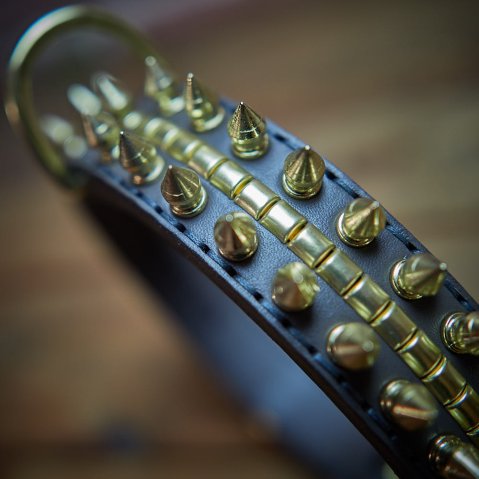
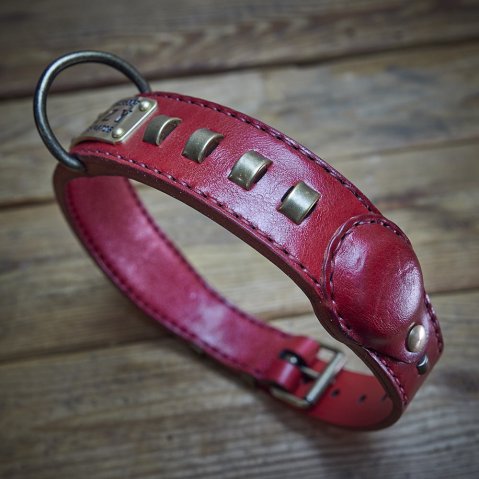
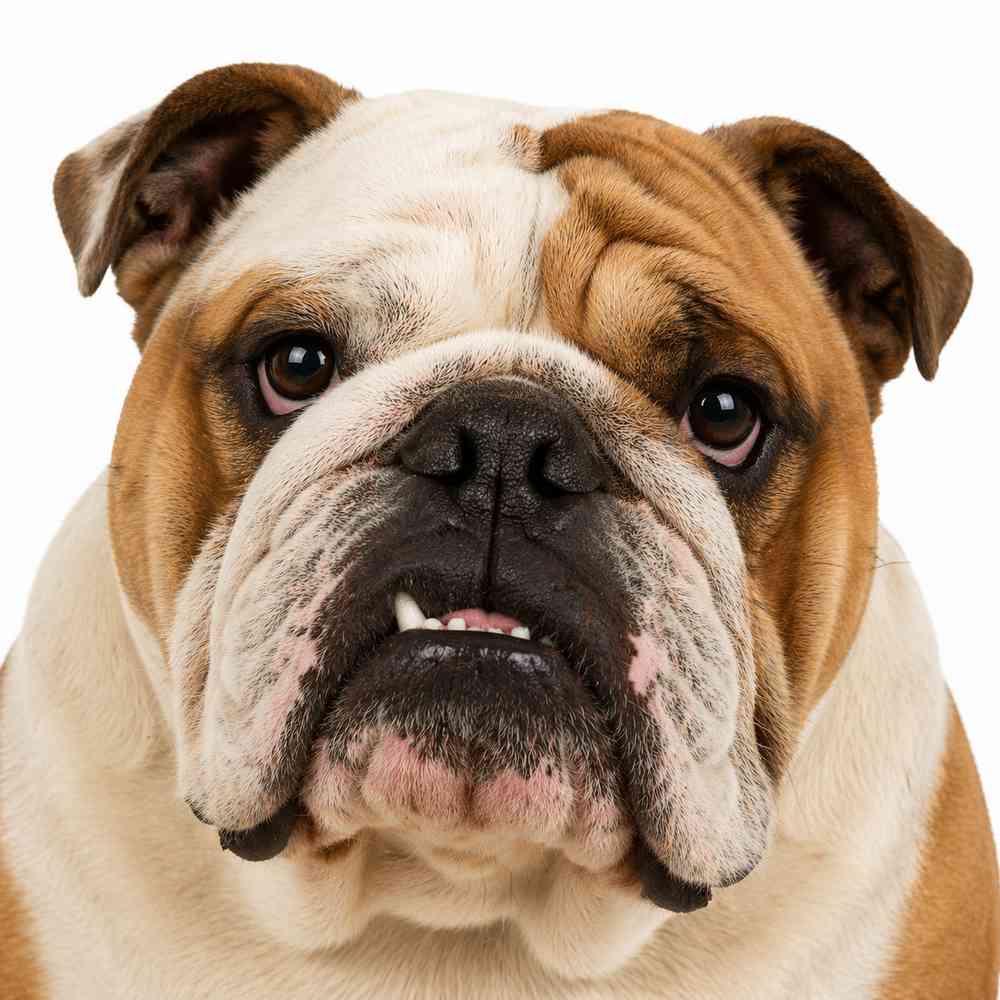 But that visual charm comes with practical limits. English Bulldogs are not about pretending to be endurance athletes. Their real-world comfort, breathing ease, neck shape, and pressure sensitivity matter a lot more than any dramatic styling fantasy. That is exactly why the Classic Punker Collar works here naturally. It is a classic leather collar with enough personality to suit a breed that already looks iconic, without turning the neck area into clutter or forcing overbuilt drama where steadiness and clean wear matter more.
With English Bulldog, the contrast between image and use is especially important. The dog already has visual punch built in. The collar should support the dog, not wrestle it for attention. When a bulldog body is this distinctive, too much noise on the neck can make the whole picture feel heavy in the wrong way.
What makes French Bulldog so instantly recognisable?
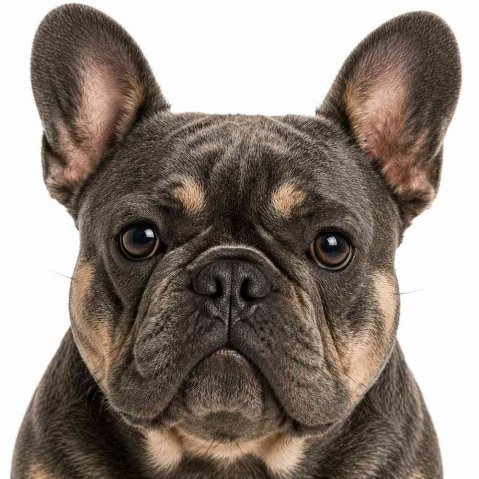
French Bulldog is the small comedian with a big ego and an even bigger public fan club. Bat ears, compact body, animated face, and a huge “main character” energy make the breed impossible to mistake once you know the outline.
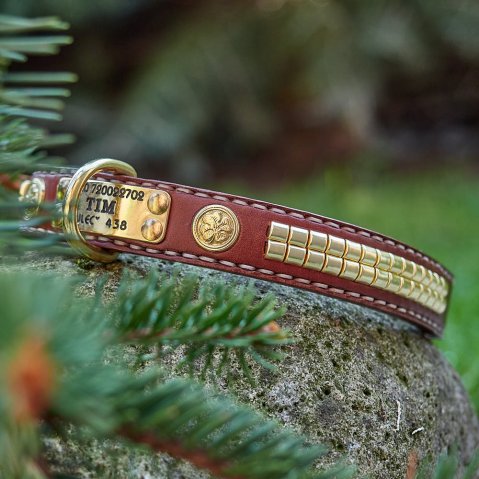
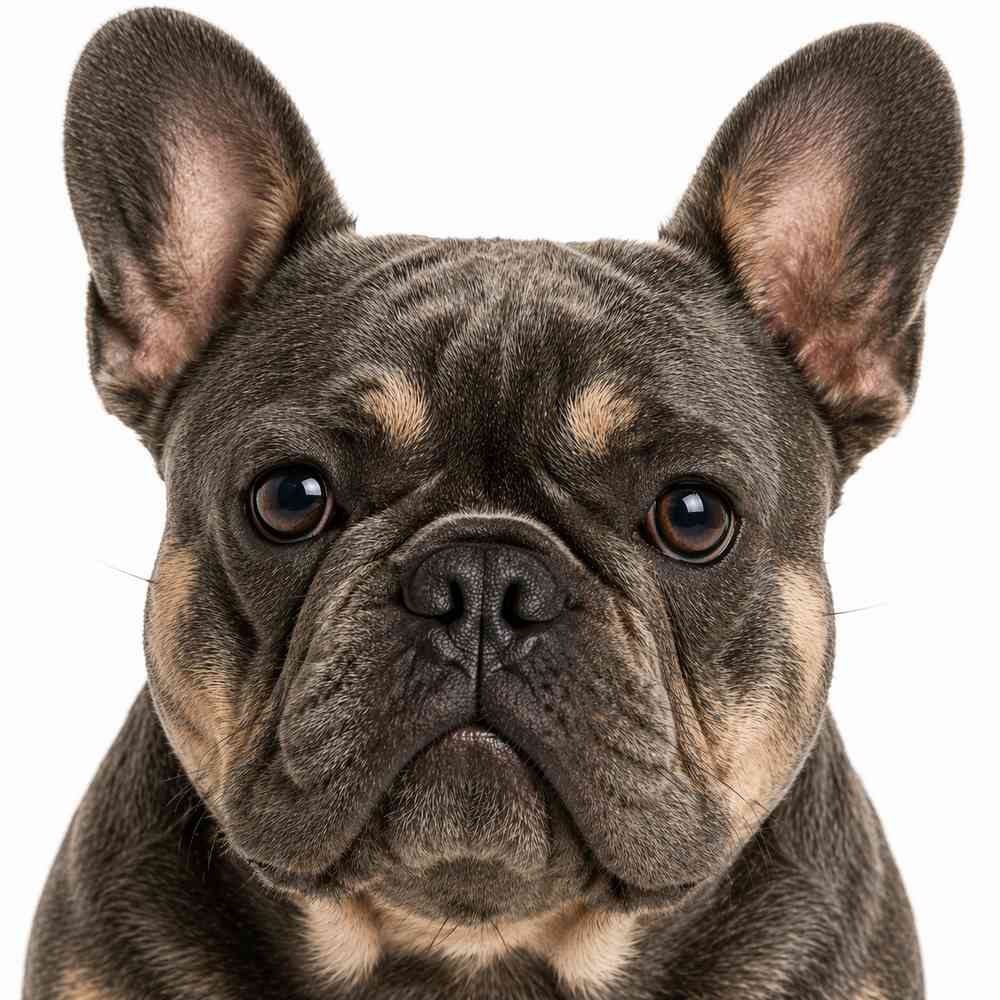 Frenchies are small, but they are not decorative fluff with ears. They can be stubborn, funny, intense, and surprisingly physical in short bursts. Their shorter neck and expressive front mean the collar has to sit neatly and suit the breed visually without swallowing it. That is why the Frenchie Flair Collar makes such obvious sense in this article. It is built for French Bulldog character and proportions, so the reference does not feel random—it feels right on the dog.
The common mistake with French Bulldogs is going either too flimsy or too overdone. Too weak, and the collar looks like it does not belong. Too massive, and the dog disappears under it. Frenchies need that narrow sweet spot where style still respects proportion and daily practicality.
Why is American Bulldog the workhorse of this bulldog group?
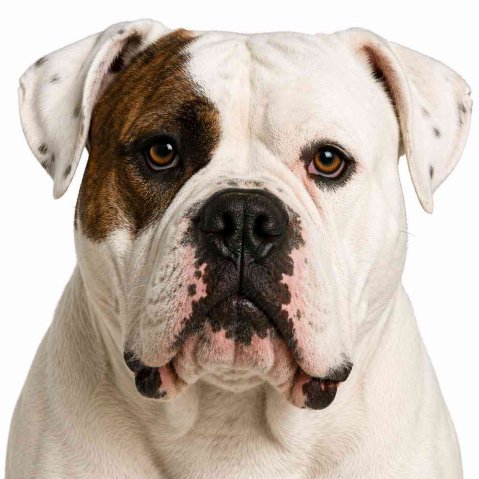
American Bulldog is the working force in this part of the series. It brings more size, more athletic purpose, more physical confidence, and often much more practical capability than people expect if they only know the shorter-faced bulldog image.
 This is not a purely decorative bulldog type. American Bulldog can be substantial, energetic, and seriously committed once it decides to go somewhere. That is why the Quarterfoil Classic Collar fits so well here. It is a strong classic leather collar for larger, more powerful dogs, and that matters on a breed where the leash can load up very quickly. A dog like this exposes weak gear in seconds. If the collar feels underbuilt, the dog notices. So does your hand.
American Bulldog sits much closer to the “built to do something” end of the bulldog spectrum. That changes the entire conversation around equipment. Nice looks are welcome, sure. But real control, clean pressure handling, and trustworthy construction matter first.
What is Victorian Bulldog trying to preserve or improve?
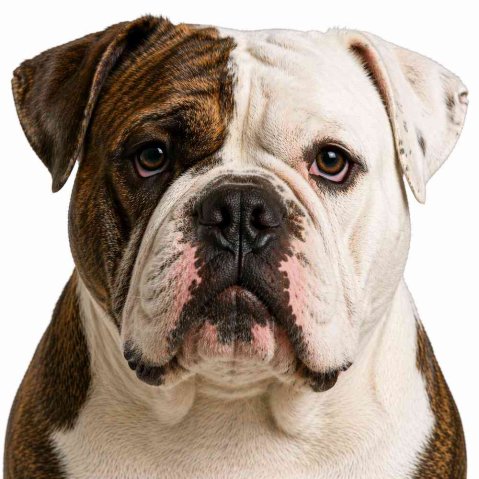
Victorian Bulldog is often described as an attempt to keep classic bulldog character while aiming for a more balanced, more capable, and more workable body than the more exaggerated modern English Bulldog path.
 That makes the breed interesting immediately. The appeal is not just nostalgia. It is the hope of keeping bulldog substance and presence while reducing some of the built-in daily struggle. That is why the Classic Ghost Tracker Collar fits here nicely. It has enough character for a breed that still wants old-school presence, but it keeps the line cleaner and more balanced than a collar that tries too hard to dominate the look.
With Victorian Bulldog, the practical question is simple: does the dog still look like a bulldog while moving more freely and carrying itself with less internal argument? When the answer is yes, the type becomes genuinely interesting rather than just another costume remake of the past.
Common mistakes
- Putting all bulldogs in one basket: English, French, American, and Victorian bulldogs do not share the same function, movement, or daily management reality.
- Choosing collars only by visual vibe: neck shape, breathing comfort, and pressure distribution matter far more on bulldog types than many buyers realise.
- Ignoring proportion on smaller bulldogs: a French Bulldog can look overwhelmed by gear that would seem fine on a larger dog.
- Underestimating working bulldog strength: American Bulldog can make weak gear feel like a bad joke very fast.
Expert view
Bulldog-type dogs are a sharp lesson in proportion and honesty. If the collar is too heavy for the body, the dog can look swallowed. If it is too weak for the neck and force involved, the build quality gets tested immediately. These breeds make the difference between decorative choice and practical choice very obvious. They also remind people that not all “bulldog looks” come with the same physical reality underneath.
Who is this overview useful for?
- For people comparing bulldog breeds beyond stereotypes and internet clichés.
- For owners who want gear that matches neck shape, daily comfort, and real handling needs.
- For readers moving logically from core bull breeds and modern bully types into the bulldog branch.
- For anyone trying to understand where style ends and body function begins.
Final summary
English Bulldog, French Bulldog, American Bulldog, and Victorian Bulldog all belong to the bulldog line, but they are not copies with different ear shapes. One is a style icon with clear practical limits, one is a compact clown with strong personality, one is a serious working force, and one aims for a more balanced return to classic bulldog form. Once you watch how they move, breathe, carry tension, and wear equipment, the differences stop being subtle. Bulldog is the family name. Reality does the sorting.
Frequently asked questions
Are English Bulldog and Victorian Bulldog basically the same?
No. Victorian Bulldog is usually discussed as a more balanced take on classic bulldog type rather than the same body concept.
Does French Bulldog need a special type of collar?
Very often yes. Because of its compact body, shorter neck, and strong visual proportions, collar fit matters a lot.
Is American Bulldog more athletic than the other bulldogs here?
In many cases yes. It usually sits closer to the working, physically capable end of the bulldog spectrum.
Why is English Bulldog so iconic even when it is resting?
Because the breed has such a strong silhouette and expression that it carries presence even in stillness.
Do bulldog breeds all need the same collar style?
No. Body shape, neck structure, breathing reality, size, and force differ too much for one style to fit all equally well.
Featured Dogs