Beeswax for Leather: Why Real Leather Gear Needs More Than Just “Care”

Short answer:
Beeswax helps leather stay flexible, resistant to moisture, and usable under real pressure. Proper leather care is not about making a collar shiny. It is about preventing cracking, stiffness, twisting, and premature failure when the dog actually pulls.
Why does leather dog gear need beeswax?
Leather works hard. Especially on strong dogs. Rain, mud, sweat, snow, road salt, repeated pulling, and tension in one spot slowly dry the leather out. Once the fibers lose flexibility, the collar or leash stops behaving the way it should.
That is usually the moment owners start noticing small warning signs:
- the collar starts rotating sideways during pulling
- the leather becomes stiff near the buckle
- the leash feels dry and rough instead of smooth
- the holes stretch unevenly
- the edges begin cracking
This is not just visual wear. It changes how the gear behaves under pressure.
If you want to understand how long leather gear realistically survives under daily use, this article about how long a dog collar lasts in real life explains the difference between decorative leather and leather built for regular pulling and tension.
What makes beeswax different from generic leather products?
Many leather products look good for photos but do very little in practice. Some conditioners leave the surface greasy. Others soften the leather too aggressively. Some only create temporary shine without feeding the leather deeper inside.
Real beeswax works differently.
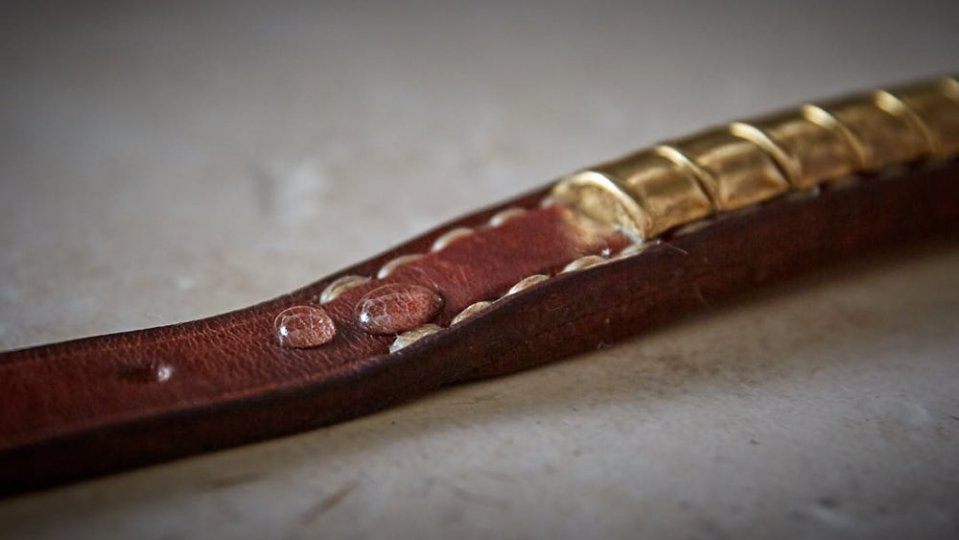
It helps protect leather against water, friction, drying, and weather exposure while still allowing the material to stay firm enough for real dog handling.
The biggest difference appears during real use. A dry collar under pressure can suddenly twist 90 degrees when the dog lunges. The pressure line shifts into one narrow point. The collar stops sitting correctly. That is not a luxury problem. That is a handling problem.
Good leather care reduces this risk because the leather stays more stable and flexible under movement.
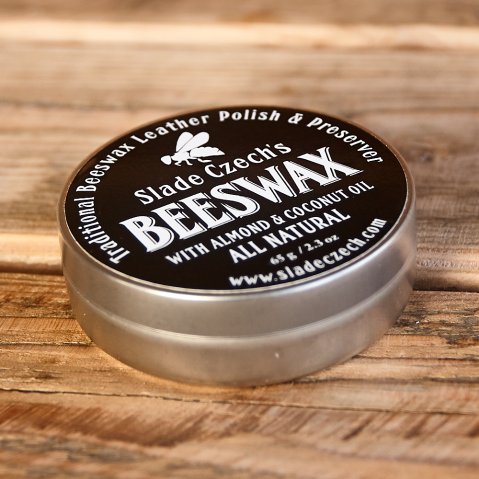
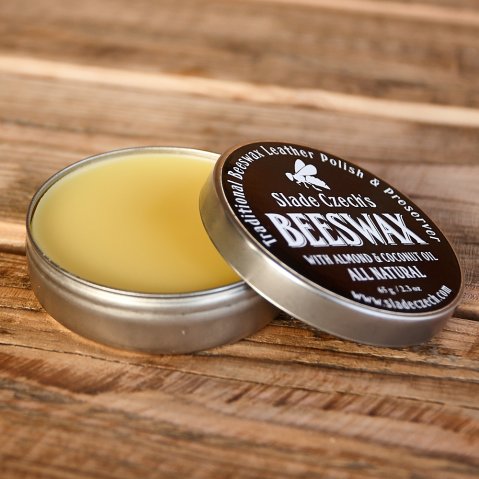
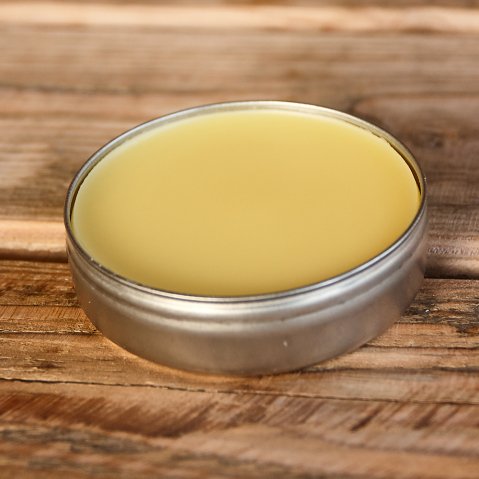
Our own Beeswax for Leather was created specifically for leather dog gear exposed to regular pulling, weather, outdoor walks, and daily handling. Not for shelf decoration.
Why did we start making our own beeswax?
Because many products simply did not behave the way we wanted in practice.
Some were too oily. Some changed leather color too aggressively. Others disappeared after the first wet walk. And some made strong leather collars feel strangely soft after repeated use.
So we started developing our own formula for real leather dog gear.
The goal was simple:
- protect leather against drying
- keep flexibility without losing structure
- help collars and leashes survive harsh weather
- support long-term durability under pulling pressure
If your leather gear already feels dry, squeaky, or stiff, this guide on why collars and leashes squeak explains what leather is trying to tell you before visible damage appears.
Decision flow: when does beeswax care matter most?
- If the leather feels dry or stiff → beeswax care should happen immediately.
- If the dog pulls hard regularly → maintenance matters more because tension accelerates drying.
- If the gear gets wet often → leather protection becomes critical.
- If the collar starts twisting → the issue may be dryness, width, or construction together.
- If you are unsure → first evaluate leather flexibility, collar width, and stress points near hardware.
Common mistakes when using beeswax
Applying too much product
More is not always better. Heavy over-application can make leather unnecessarily soft and sticky.
Ignoring the inside of the collar
The pressure side matters most. That is where pulling force concentrates.
Waiting until visible cracking appears
Once leather fibers are heavily damaged, maintenance becomes recovery instead of prevention.
Using random cosmetic leather creams
Some products are designed for fashion leather, not equipment exposed to pulling and outdoor stress.
Expert view from real leather dog gear production
The difference between decorative leather gear and functional leather gear often appears after the first hard leash hit.
Two collars can look nearly identical on a table. Then the dog launches forward. One collar stays balanced and stable. The other starts twisting, stretching, or collapsing into pressure points.
That is why leather maintenance matters together with proper width, structure, and hardware quality.
If you want practical step-by-step maintenance advice, this guide on how to properly care for leather collars and leashes with beeswax explains the full process in detail.
Who is beeswax leather care most useful for?
- owners of strong dogs that pull regularly
- bull-type breeds and Staffies
- dogs walking in rain, snow, mud, or cold weather
- people using leather gear daily instead of occasionally
- owners wanting long-term leather durability instead of temporary appearance
Final summary
Leather gear does not stay reliable by accident. Pressure, moisture, friction, and repeated pulling slowly change how leather behaves. Beeswax helps keep leather flexible, protected, and stable under real use.
The goal is not perfect showroom shine. The goal is leather gear that still works properly after hundreds of walks, sudden lunges, wet weather, and daily pressure.
Because the real test of dog gear never happens on a product photo. It happens the second the leash goes tight.
Frequently asked questions
How often should I use beeswax on a leather dog collar?
Usually every few weeks depending on weather, pulling intensity, and moisture exposure.
Can beeswax make leather too soft?
Yes, if heavily overused. Proper application should maintain flexibility without weakening structure.
Does beeswax help against water?
Yes. It improves resistance against moisture and drying caused by wet conditions.
Why does my leather collar twist during pulling?
Dryness, narrow construction, weak structure, or uneven pressure distribution can all contribute.
Is beeswax useful only for collars?
No. Leather leashes, harness details, and other leather dog gear benefit from proper maintenance too.
Featured Dogs