Bull-Type Dogs Guide, Part 1: The Core Bull Breeds
Short answer:
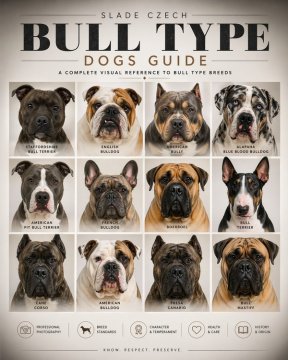
Bull-type dogs are not one interchangeable group. Even among the best-known breeds, there are clear differences in build, expression, movement, drive, and the kind of gear that suits them in real life. Part 1 focuses on the classic five: Staffordshire Bull Terrier, American Staffordshire Terrier, American Pit Bull Terrier, Bull Terrier, and Miniature Bull Terrier.
But the bull world doesn’t stop there. In the following chapters, we move from modern bully lines and bulldog roots all the way to the heavy hitters that look like they could pull a truck for fun. 😈🐾
👉 Continue the series here:
Part 2 – Bull & Bully: The Modern Crew
Part 3 – The Bulldog Line
Part 4 – The Wider Relatives & Heavy Hitters
Which dogs belong among the main classic bull breeds?
The best-known core bull breeds are the Staffordshire Bull Terrier, American Staffordshire Terrier, American Pit Bull Terrier, Bull Terrier, and Miniature Bull Terrier. They share toughness, character, and a certain no-nonsense presence, but they do not move the same, react the same, or wear the same type of collar with the same effect. That matters more than people think.
From a distance, many people see “a muscular bull dog type” and stop there. In real life, that is lazy thinking. One dog is a compact block with a clown heart, another is an elegant powerhouse, another is an athlete that can hit the leash like a spring. Nice photos blur these differences. Daily handling exposes them fast.
What makes Staffordshire Bull Terrier so distinctive?
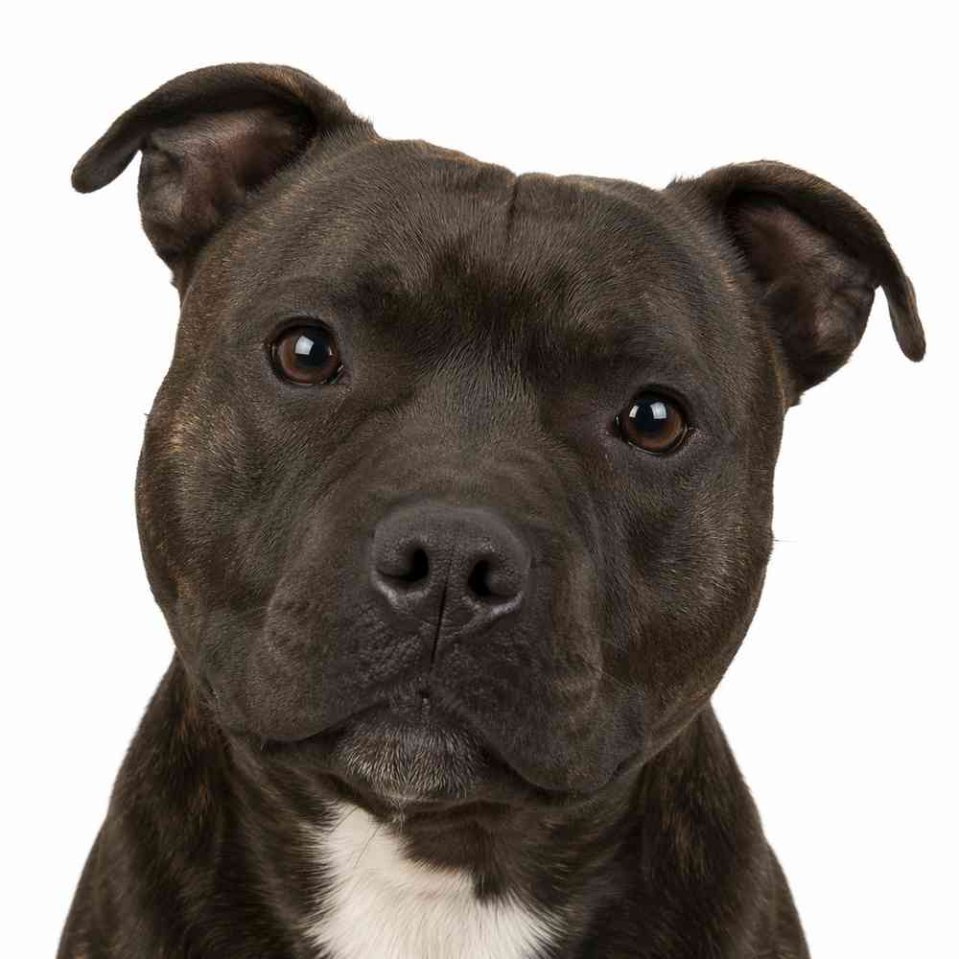
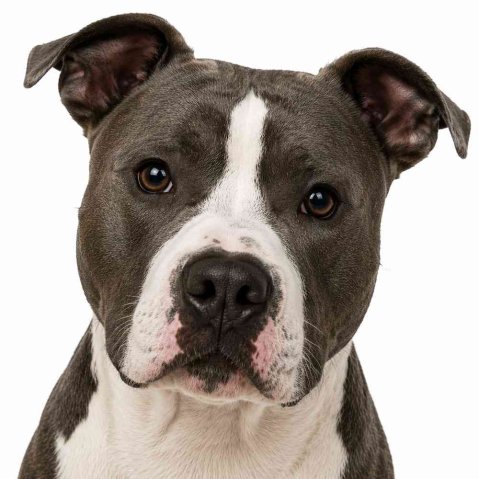
Staffordshire Bull Terrier is a compact, powerful little tank with a people-loving core. The body is dense, the expression is lively, and the breed often carries that mix of strength and cheerful confidence that makes it look ready for both cuddles and chaos.
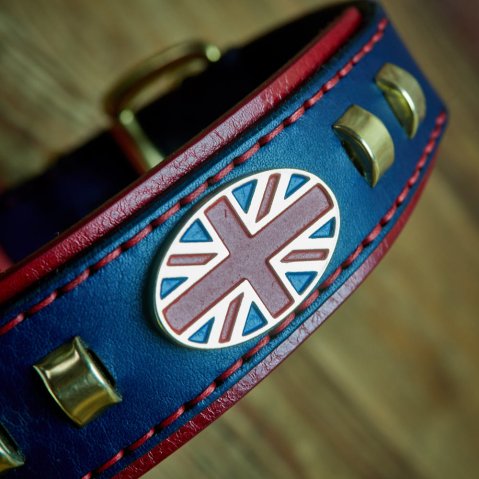
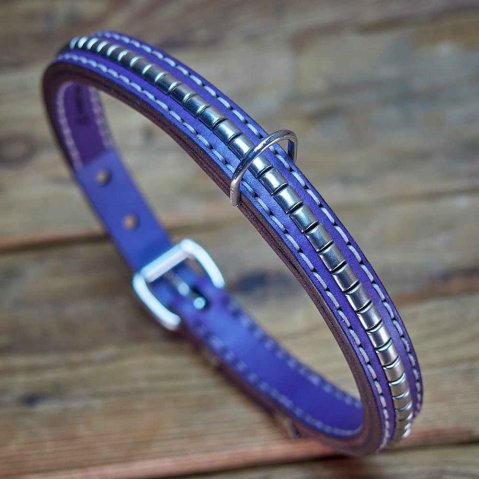
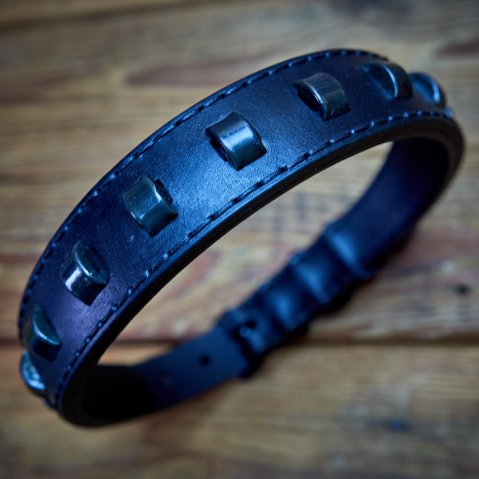
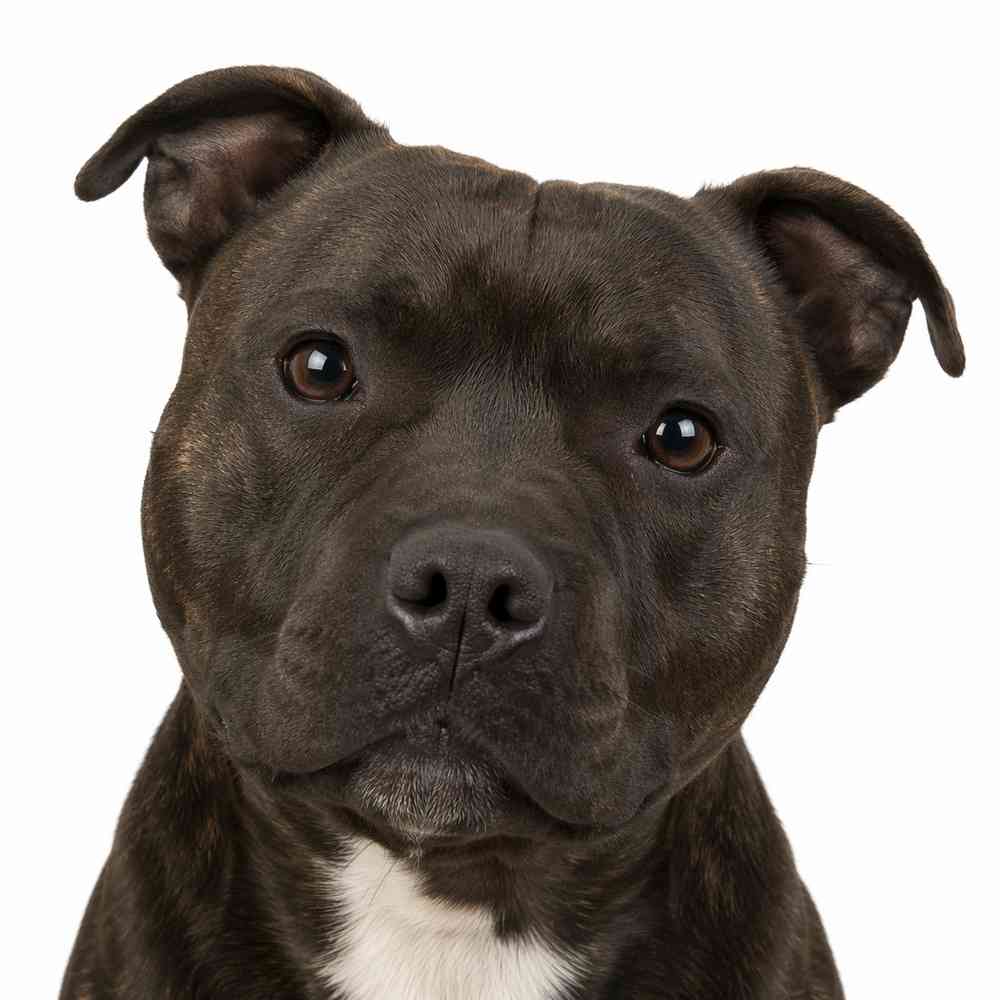 A good Staffie should not look overloaded or clumsy. The charm is in balance: strong head, solid front, compact outline, and movement that looks efficient instead of heavy. Because the breed is broad through the neck and front, a collar must sit cleanly and support the look rather than chop it up. That is exactly why something like the King’s Colours Classic Collar works here so naturally. It has a bold visual identity, but it is still built as an everyday functional collar, not just a pretty prop for one photo.
When a Staffie gets excited, things happen fast. One second you have a grin. The next second the dog launches toward a friend, a toy, or whatever looks fun. That is where stable construction matters. Not the “looks premium in the listing” kind. The kind that still makes sense when the dog hits tension without warning.
How is American Staffordshire Terrier different from a Staffie?
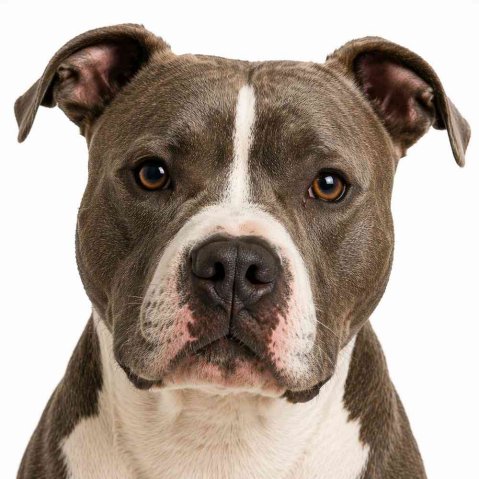
American Staffordshire Terrier is usually taller, longer-lined, and visually more statuesque than a Staffordshire Bull Terrier. There is still strength, of course, but often with more reach, more outline, and a stronger sense of power wrapped in elegance.
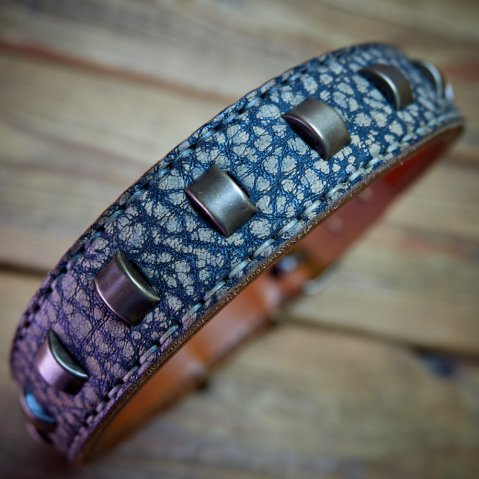
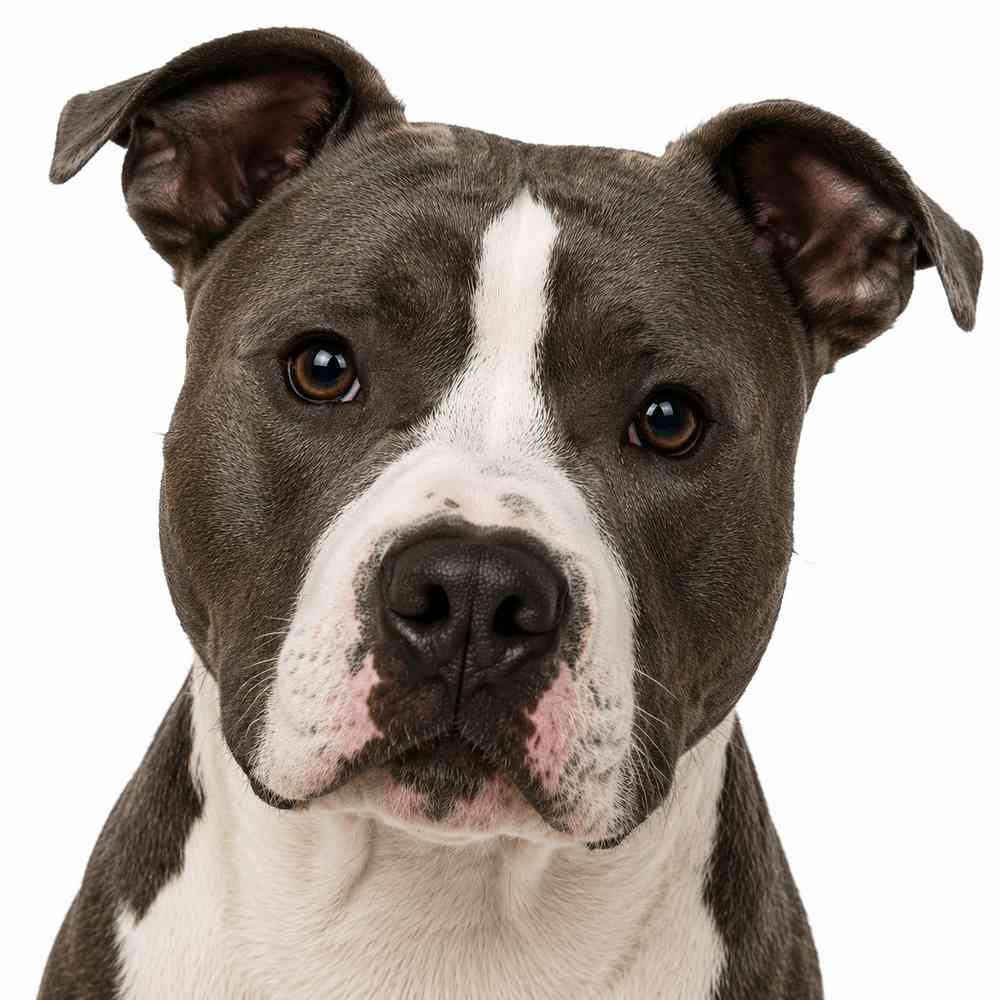 An AmStaff can look spectacular when the proportions are right: strong neck, clean topline, real substance, but not a block on four legs. The mistake people make is assuming this breed needs only visual drama. No. It needs gear that can hold shape and authority. The Buffalo Collar fits the breed’s vibe beautifully because it is built for neck presence and staying power. It does not whisper. It holds its ground.
In practice, American Staffordshire Terriers often give you a lot of body, a lot of confidence, and a lot of “I know exactly where I want to go.” If the collar twists, collapses, or starts looking tired too quickly, it drags the whole impression down. A breed with this much presence needs equipment that does not blink first.
What is the real character of American Pit Bull Terrier?
American Pit Bull Terrier is the athlete of this group. Leaner, more driven, often quicker in reaction, and usually more obviously built for movement and work than for pure visual mass.
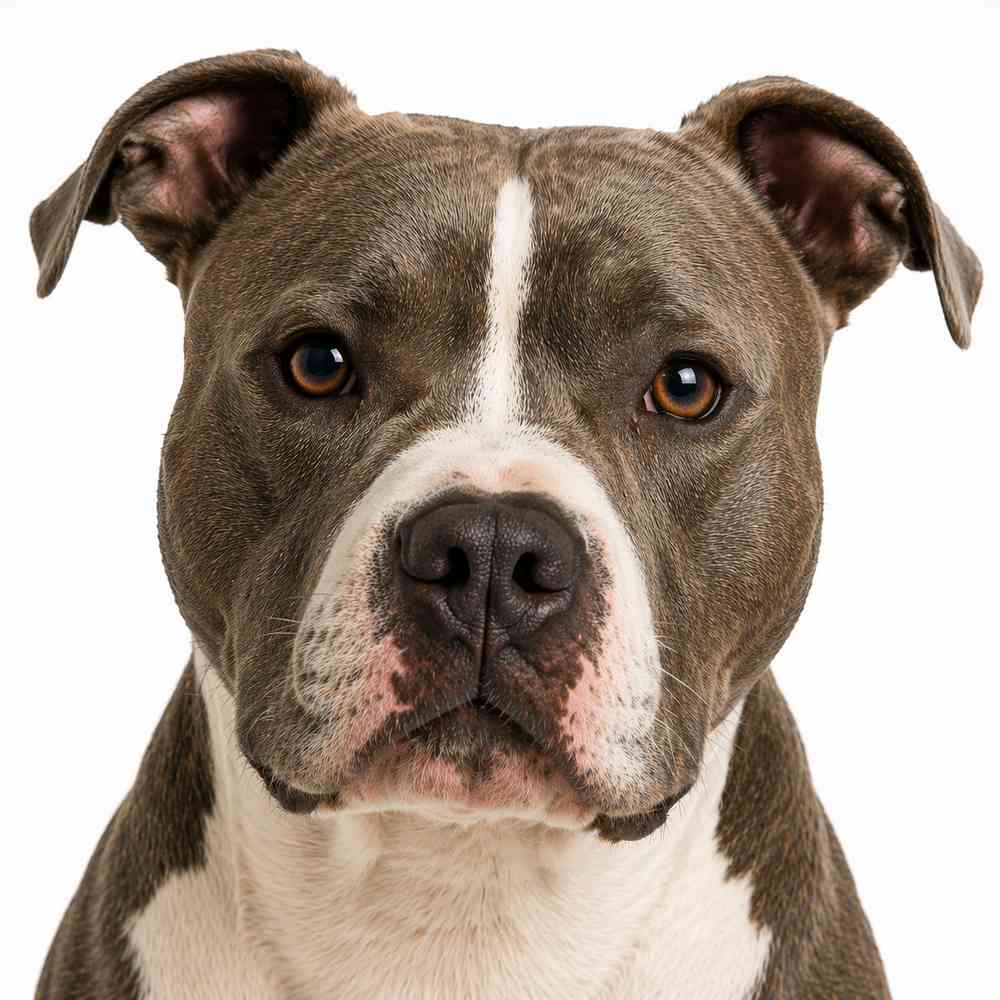 This is the sort of dog that can go from calm to full power in a blink. A sloppy collar does not just look wrong here. It becomes annoying in real handling. If it shifts, travels, or fights the dog’s movement, you notice immediately. That is why the Django Classic Collar makes sense in this context. It is designed around control under tension and staying in place better when the dog pulls, which matches the practical reality of an energetic, forward dog far better than decorative nonsense ever could.
The APBT is where the contrast between photo-ready and reality-ready becomes brutal. A lightweight, flashy collar may survive the product shot. It often loses the argument once the dog starts working the leash for real.
Why does Bull Terrier stand out so much?
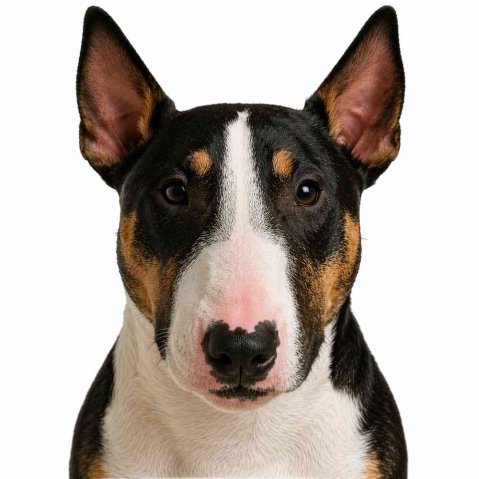
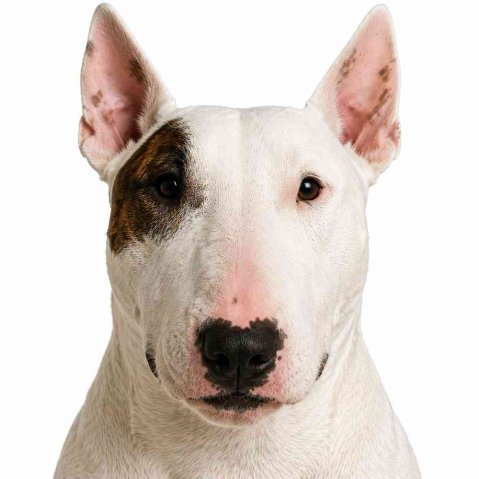
Bull Terrier is the unmistakable oddball icon of the group. The egg-shaped head, the unique expression, the almost surreal silhouette—this breed does not enter quietly. It arrives like it owns the scene.
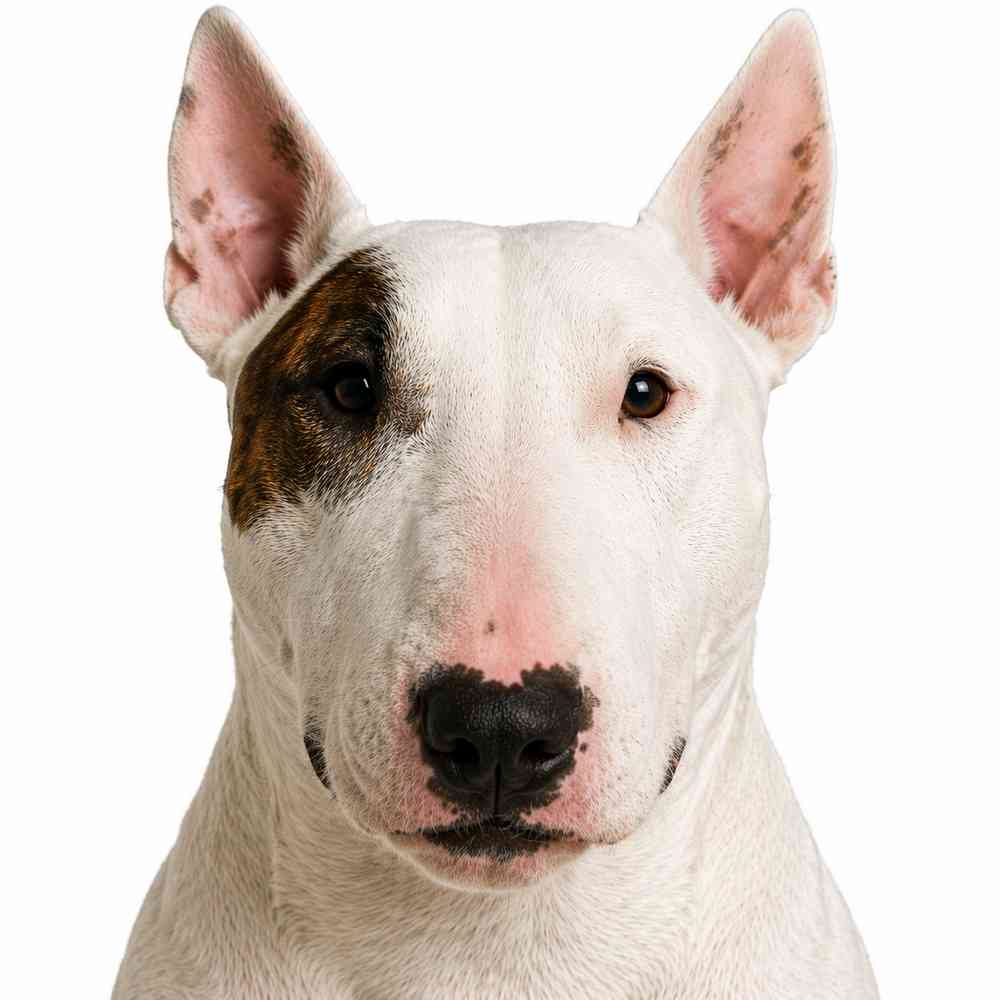 But under the visual theatre, there is still real muscle, determination, and a very specific type of bull-terrier stubbornness. Bull Terriers can be funny, charming, and gloriously weird, but they can also plant themselves into an idea and hang onto it. The Classic Viking Collar fits this breed naturally because it has enough presence to suit the breed’s strong look while still being built for real handling pressure. On a Bull Terrier, weak gear looks even weaker.
And yes, presentation matters with this breed. A bad collar can visually cut the neck, disturb the line, or cheapen a dog that should look striking. With a Bull Terrier, details are loud. Even when they are technically small.
What is Miniature Bull Terrier like in real life?
Miniature Bull Terrier is not a watered-down Bull Terrier. It is a smaller package with the same strong identity, plenty of opinion, and enough comic chaos to keep life entertaining.
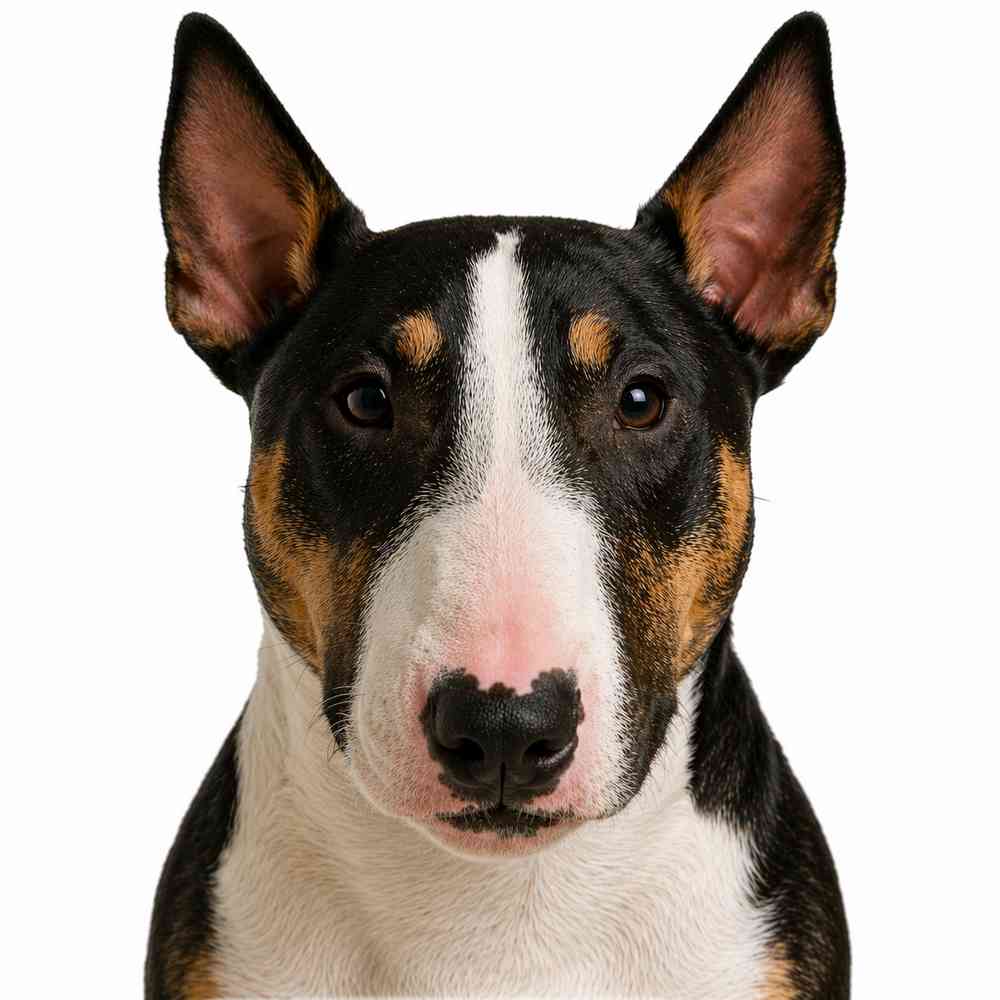 Because the breed is smaller, people sometimes make the classic mistake: they go too soft, too decorative, too flimsy. Bad move. Small does not mean fragile in spirit or in handling reality. A Mini Bull can be sharp, intense, and hilariously determined. The Balls Classic Collar suits this type well because it keeps a clean classic form while still respecting the breed’s strong little personality.
With Mini Bulls, the sweet spot is simple: gear that does not swallow the dog visually, but also does not behave like toy-shop decoration. Cute is fine. Useless is not.
Common mistakes
- Putting all bull breeds in one basket: similar category, very different reality in neck shape, movement, and handling feel.
- Choosing collars only by looks: a nice photo says nothing about how the collar behaves under a sudden lunge.
- Ignoring proportion: what works on a compact Staffie may sit very differently on an AmStaff or APBT.
- Going too flimsy on smaller breeds: Miniature Bull Terrier still needs structure, not costume jewellery.
Expert view
From a practical gear perspective, bull-type dogs expose weakness quickly. If the leather is too soft, the shape collapses. If the hardware is weak, tension finds it. If the collar is visually wrong for the dog, the whole silhouette suffers. That is why these breeds are such a good honesty test. They do not forgive fake toughness for long.
Who is this overview for?
- For owners trying to understand the visible differences between the classic bull breeds.
- For people choosing gear that should match not just size, but also build and handling style.
- For newcomers who hear “bull type” everywhere and want a clearer map.
- For handlers who know that control, proportion, and presentation are tied together.
Final summary
The main classic bull breeds may look related, but they are not clones with different labels. Staffordshire Bull Terrier, American Staffordshire Terrier, American Pit Bull Terrier, Bull Terrier, and Miniature Bull Terrier each bring their own body language, structure, and handling reality. Once you stop looking only at the head and start watching the neck, movement, tension, and outline, the differences jump out fast. Bull type is one family name. Real life is far more interesting.
Frequently asked questions
Are Staffordshire Bull Terrier and American Staffordshire Terrier the same breed?
No. They are separate breeds with different proportions, overall build, and typical presentation.
Is American Pit Bull Terrier usually more athletic than the others?
Very often yes. It tends to look and move more like a functional athlete than a heavy showpiece.
Why is Bull Terrier so easy to recognise?
Mainly because of its egg-shaped head, unique profile, and unmistakable overall silhouette.
Is Miniature Bull Terrier just a calmer small Bull Terrier?
No. It is smaller, but it usually keeps the same strong character and lively stubborn streak.
Do bull-type breeds need different collars depending on the breed?
Yes. Neck shape, power, movement, and visual proportion can make one collar feel right on one breed and wrong on another.
Featured Dogs