Bull-Type Dogs Overview, Part 3: The Bulldog Line
Short answer:
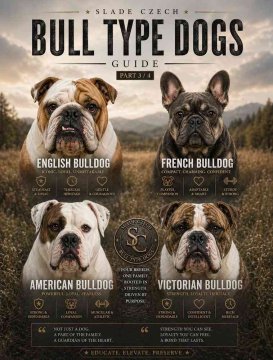
Bulldog breeds may be related, but they are not one interchangeable template. English Bulldog, French Bulldog, American Bulldog, and Victorian Bulldog differ in body design, breathing reality, movement, day-to-day stamina, and in the kind of collar that truly suits their shape and use. For the wider thread, continue from Part 1: the essential bull breeds and Part 2: the modern bull & bully line-up.
Which dogs make up the bulldog line in this guide?
This bulldog chapter covers English Bulldog, French Bulldog, American Bulldog, and Victorian Bulldog. They share bulldog ancestry, broad expression, and strong visual identity, but they are not built for the same kind of life. One is deeply tied to iconic appearance, one is compact and theatrical, one brings working strength, and one aims for a more balanced revival of classic bulldog type.
This is exactly the point where surface-level thinking goes wrong. Many people see a broad head and stout body and stop there. In real life, that tells you almost nothing important. Watch how the dog moves, how it handles pressure on the lead, how its neck carries equipment, how it breathes through everyday activity, and suddenly the differences become much sharper.
Why does English Bulldog hold such a powerful visual place?
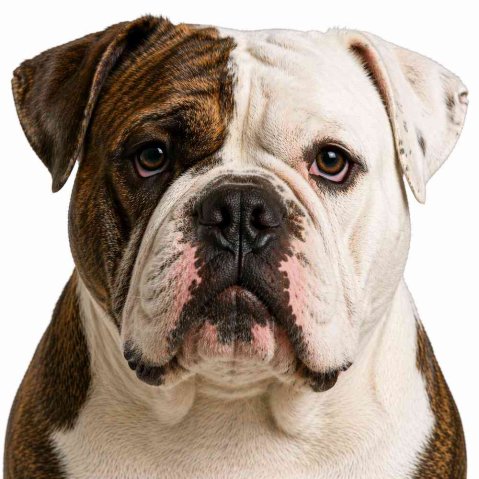
English Bulldog is the couch king with unmistakable style. It has a silhouette so strong that even standing still, it looks like a full statement rather than just a dog waiting around.
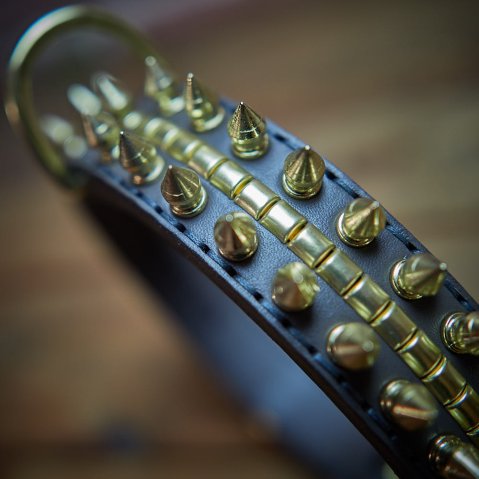
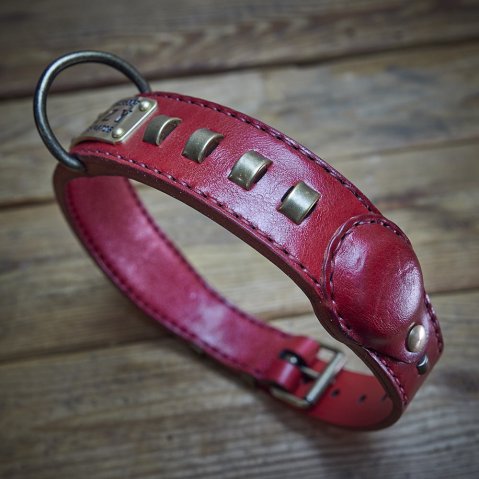
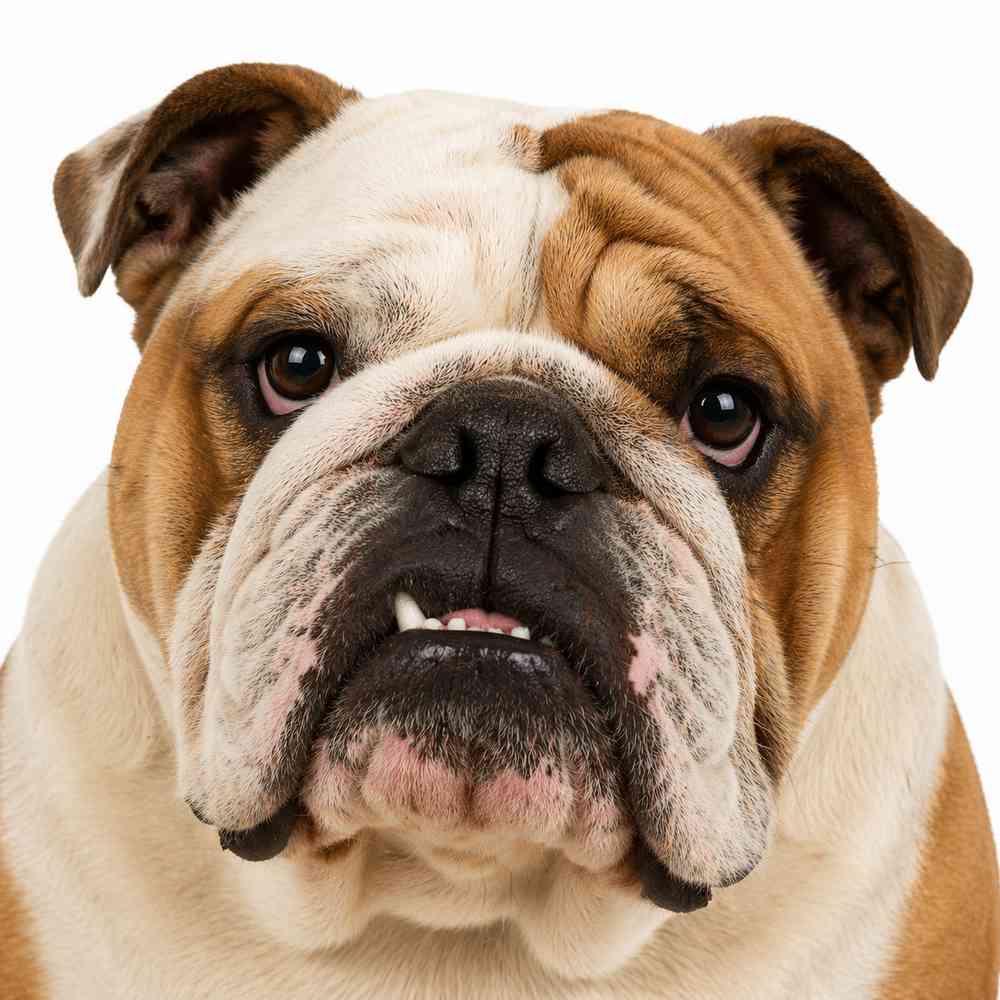 That charm is real, but it comes with practical realities that should not be glossed over. English Bulldogs are not built around endurance fantasy. Neck comfort, breathing ease, pressure handling, and visual balance matter more than exaggerated collar drama. That is why the Classic Punker Collar works so naturally here. It carries enough personality to suit a breed with huge visual identity, while keeping the overall picture cleaner and more wearable instead of turning the neck into overdesigned theatre.
With English Bulldog, less can genuinely be smarter. The dog already brings the visual weight. The collar should support that presence, not stack more chaos onto a body that is already doing a lot of visual talking.
What makes French Bulldog more than just a cute trend dog?
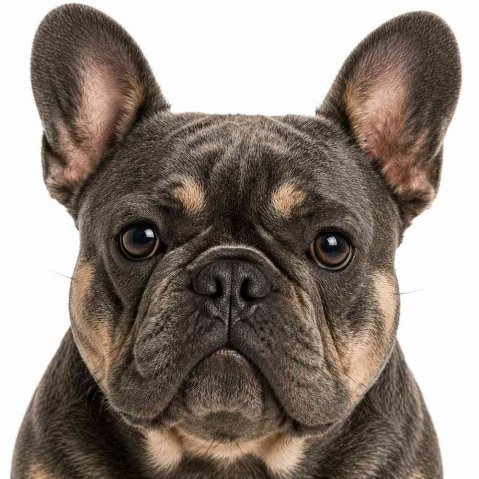
French Bulldog is the small comic with a huge ego, but also with a very recognisable body logic. Bat ears, short frame, expressive face, and endless “notice me” energy make the breed instantly readable.
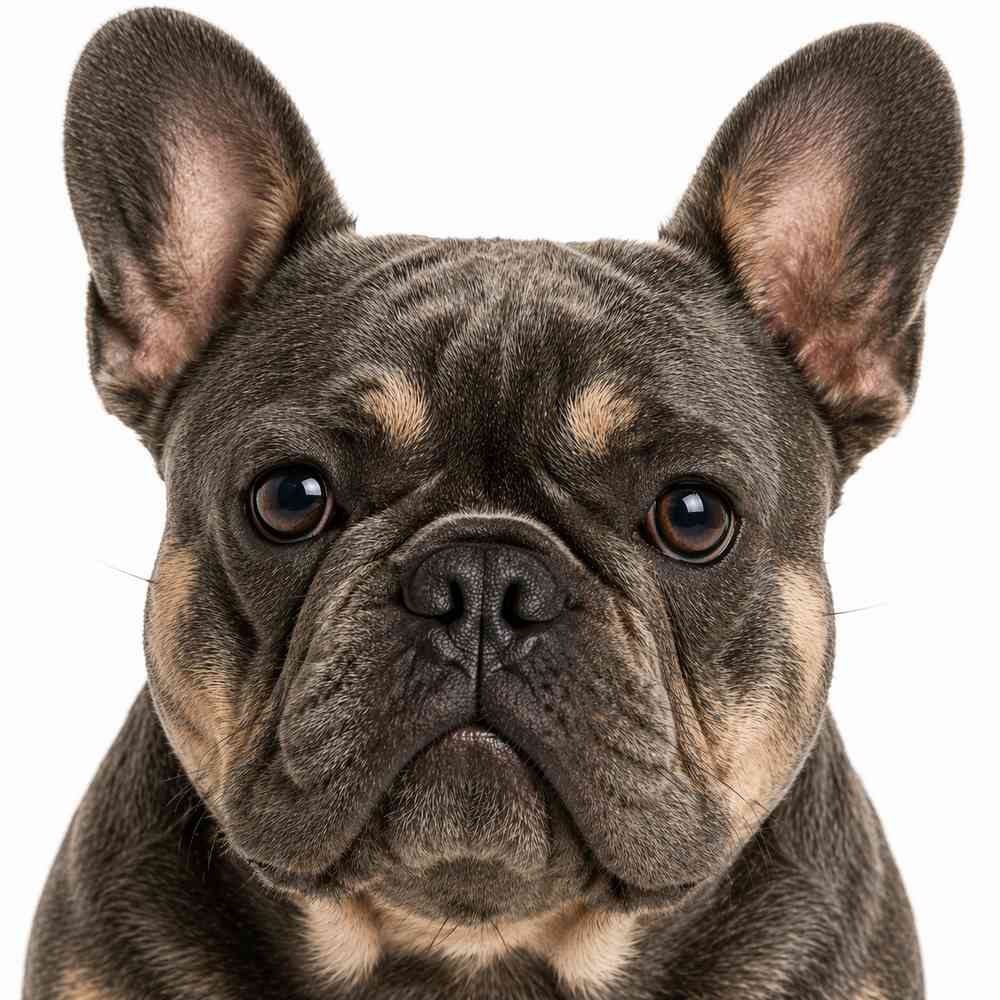 Frenchies may be small, but they are not fragile ornaments. They can be intense, stubborn, funny, and surprisingly physical in short bursts. Their shorter neck and compact proportions mean collar fit matters a great deal. That is exactly why the Frenchie Flair Collar belongs here so naturally. It suits the breed’s shape and attitude without overwhelming it visually or pretending the dog needs something built for an entirely different frame.
The trick with French Bulldogs is proportion. Too weak and the collar feels underdressed. Too heavy and the dog disappears. This breed needs balance more than visual shouting.
Why does American Bulldog feel so different from the others here?
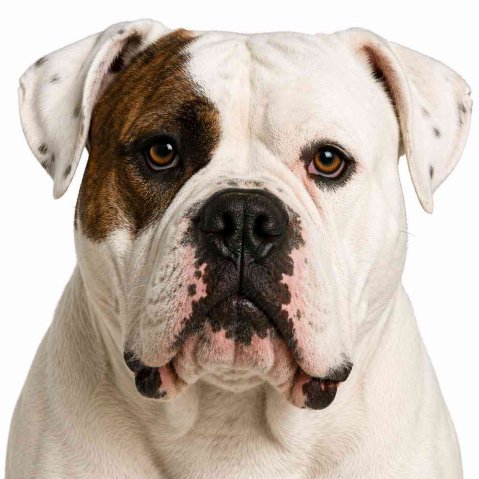
American Bulldog sits much closer to the practical working end of the bulldog spectrum. It often carries more athletic capability, more size, and a more physically assertive everyday presence than the shorter-faced, more compact bulldogs in this chapter.
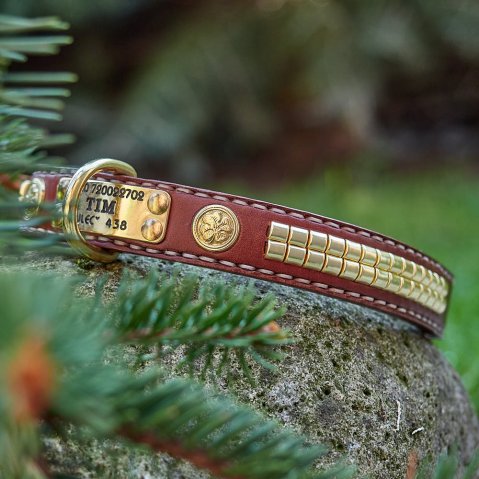
 This is a breed that can put real load into the lead and test equipment honestly. That is why the Quarterfoil Classic Collar is such a good match in this context. It is a strong classic leather collar suited to larger, more forceful dogs, and that matters when the dog attached to it is not just posing but actually using its body with conviction.
American Bulldog changes the bulldog conversation from visual mood to practical control very quickly. On this sort of dog, build quality is not decorative detail. It is basic common sense.
What is Victorian Bulldog trying to do differently?
Victorian Bulldog is often discussed as a more balanced take on classic bulldog form—keeping the old-school feel while aiming for a body that is less overburdened by exaggeration and more comfortable in normal life.
 That is what makes the breed interesting beyond nostalgia. The idea is not to imitate the past as costume. It is to keep bulldog identity while recovering more movement, better daily function, and a cleaner internal balance. The Classic Ghost Tracker Collar fits nicely here because it brings enough character for a dog with classic presence, but keeps the line more grounded than a collar that tries to overpower the whole look.
Victorian Bulldog becomes meaningful when the bulldog image is still there, but the body appears more capable and less internally compromised. That is the real difference between revival and remake.
Common mistakes
- Treating all bulldogs as the same kind of dog: body use, pressure handling, breathing reality, and daily stamina vary far more than people assume.
- Buying collars for style alone: bulldog breeds often make collar fit and pressure spread much more important than expected.
- Ignoring scale on compact breeds: French Bulldog can be visually swallowed by gear that looks normal on a bigger dog.
- Underestimating working power: American Bulldog can reveal weak equipment almost immediately.
Expert view
Bulldog breeds are excellent for showing the difference between visual identity and physical function. They also make proportion mistakes very obvious. Too much collar can overload the dog visually. Too little collar can feel physically wrong. And the gap between decorative choice and honest practical choice becomes very hard to hide once the dog is actually moving and loading the lead.
Who is this useful for?
- For readers comparing bulldog breeds beyond popular clichés.
- For owners trying to match collars to neck shape, body use, and day-to-day comfort.
- For people continuing logically from the core bull breeds and the modern bully group.
- For anyone interested in the border between iconic look and usable body design.
Final summary
English Bulldog, French Bulldog, American Bulldog, and Victorian Bulldog all belong to the bulldog line, but they are not repeating the same physical story. One is iconic and visually heavy with clear daily limits, one is compact and full of character, one is practical and forceful, and one aims for a more balanced return to classic bulldog type. Once you look at movement, breathing, pressure, and equipment fit, the differences stop being cosmetic. Bulldog is the shared heritage. Function tells you what each dog really is.
Frequently asked questions
Are English Bulldog and Victorian Bulldog the same in practice?
No. Victorian Bulldog is generally discussed as a more balanced take on bulldog form rather than the same body model.
Does French Bulldog need careful collar proportion?
Yes. Its compact body and shorter neck make visual and practical fit especially important.
Is American Bulldog the most working-oriented bulldog here?
In many cases yes. It usually sits closer to the physically capable, action-ready end of this group.
Why does English Bulldog stand out so much even when resting?
Because its silhouette and expression are so strong that the breed carries presence without needing movement to prove it.
Can one collar style work equally well for all bulldog breeds?
No. Neck shape, body proportion, force, comfort needs, and daily use vary too much across the group.
Real Dogs