Bull-Type Dogs Overview, Part 2: Bull & Bully – The Modern Line-Up
Short answer:
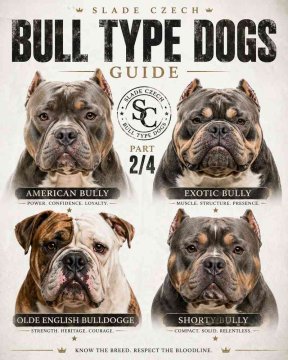
Modern bull & bully breeds can look like one broad muscular movement, but they are not one tidy category in practice. American Bully, Exotic Bully, Olde English Bulldogge, and Shorty Bull differ in body design, movement, daily handling, and in how well their appearance still supports real-life function. If you want the foundation first, start with Part 1 on the essential bull breeds.
Which breeds sit in the modern bull & bully camp?
The modern bull & bully group commonly includes American Bully, Exotic Bully, Olde English Bulldogge, and Shorty Bull. They share a broad, heavy-set visual language, but they are not built with the same purpose. Some still aim for a more workable everyday dog. Others push visual extremity much harder. That difference is where the real reading begins.
This is the category where surface impressions mislead people quickly. Wide front, thick neck, low frame, powerful expression—and suddenly everything gets called “basically the same bully type.” Not really. Watch the dog move, breathe, lean into the lead, or carry itself over a normal day, and the cracks in that simplified view appear almost immediately.
What makes American Bully more complex than people think?
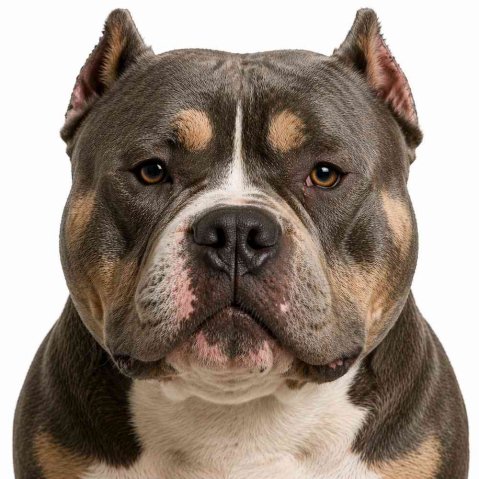
American Bully is often reduced to “muscles on top of muscles,” but the breed makes much more sense when you respect the different types. Pocket, Standard, Classic, and XL do not produce the same shape, same balance, or same kind of daily handling experience. One label, several realities.
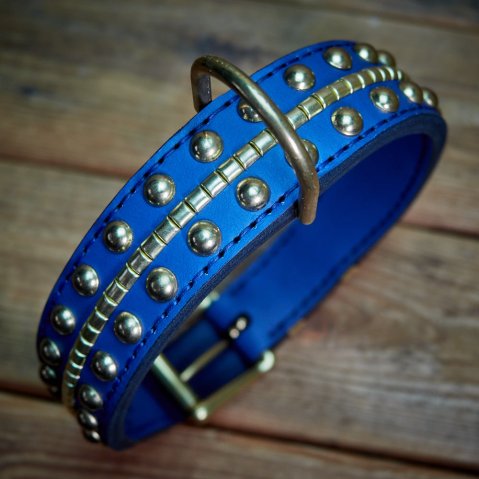
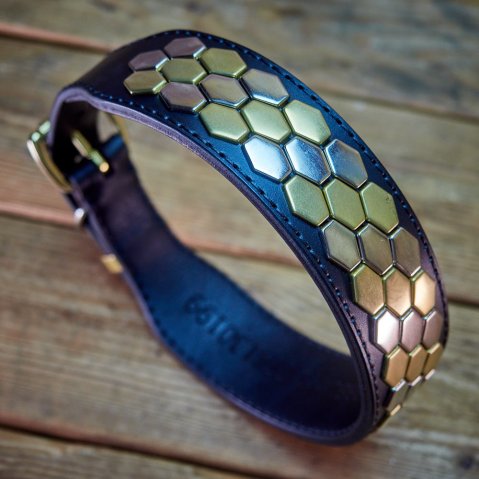
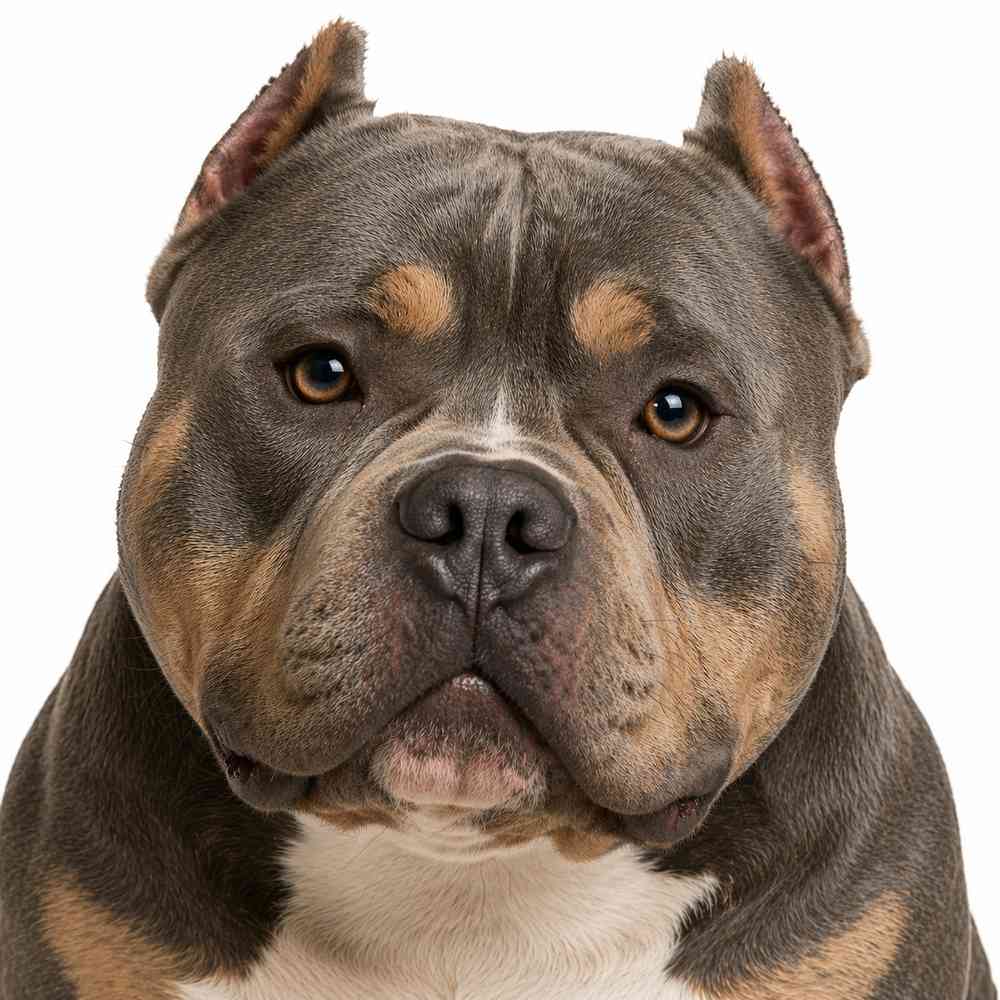 Pocket tends to look compact and heavily packed for its height. Standard often reads as the central version. Classic usually feels less overloaded and lighter in outline. XL brings more frame, more width, and more visible volume. Across the types, the neck and front presence remain a big part of the breed’s impact. That is exactly why the Hexagon Classic Collar makes practical sense here. It is a 50 mm wide active-use collar built to spread pressure more evenly across strong neck muscles and offer a better safety margin for dogs where lightweight gear stops looking clever very quickly.
The common mistake with American Bullies is choosing equipment that only pretends to be substantial. On a dog with this much visible front and power, a collar has to stay honest under tension. If it folds, shifts, or feels underbuilt, the whole look falls apart. Strong dog, strong frame, strong gear. That part should not need dramatic music.
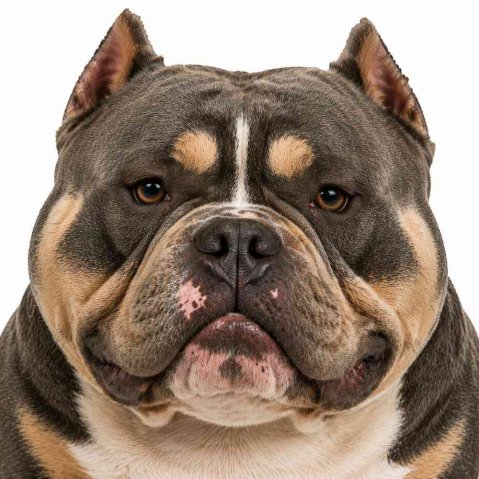
Why does Exotic Bully create so much debate?
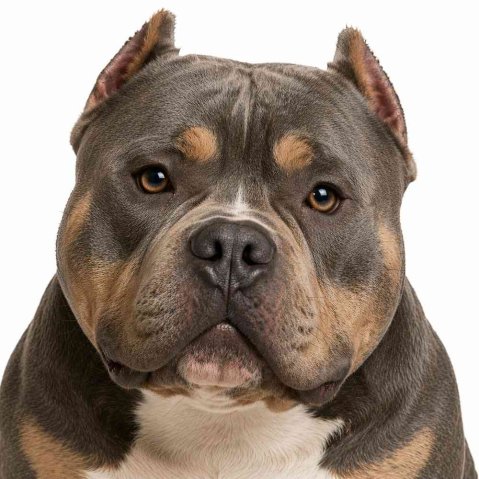
Exotic Bully lives right on the fault line between extreme visual style and practical body function. It is known for pushing the look further: shorter build, more exaggerated width, more compact drama, more instant visual shock value.
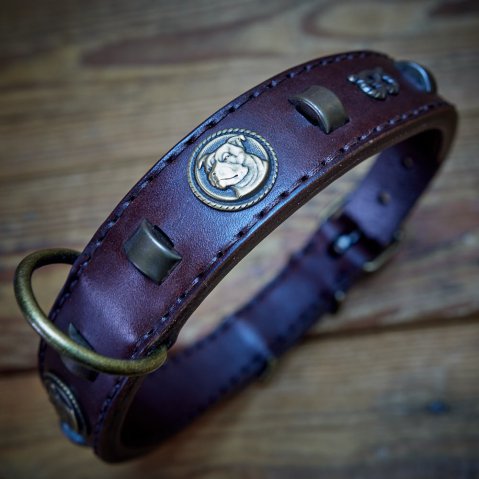
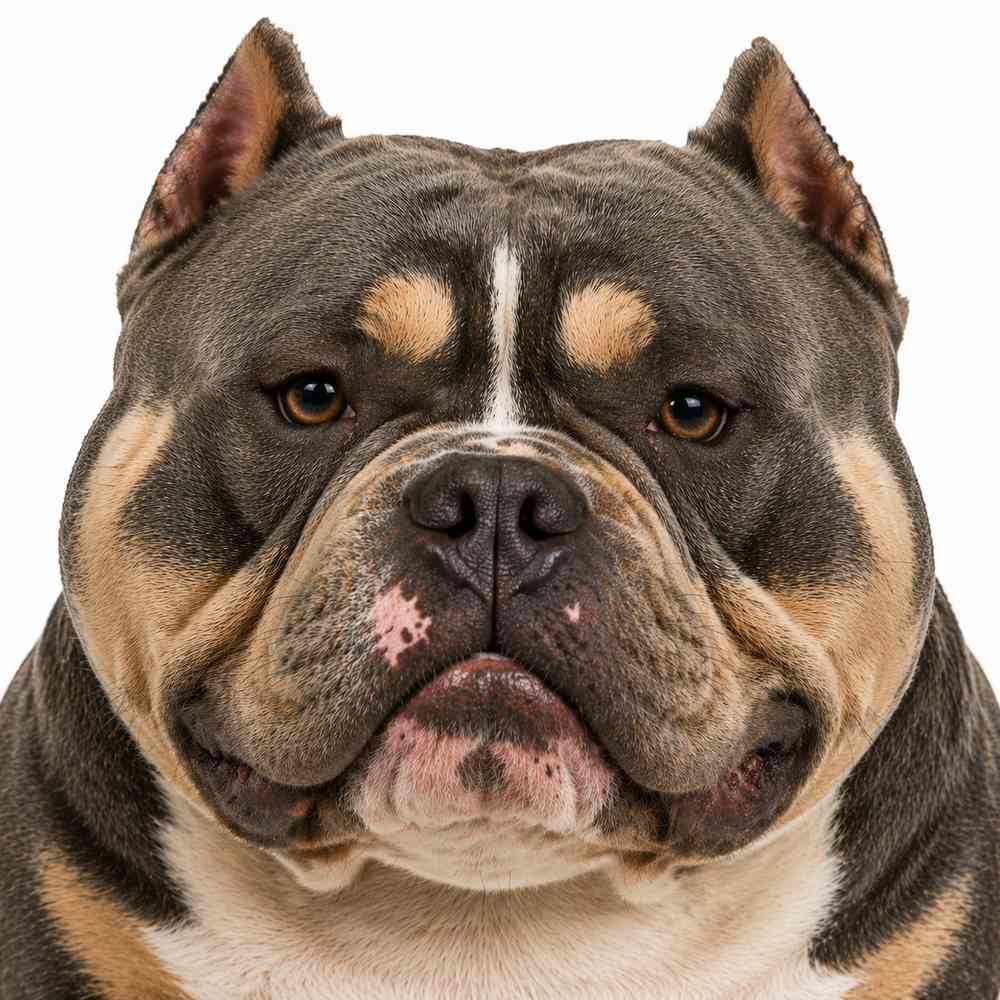 That is also why people keep arguing about it. The more extreme the appearance becomes, the harder the questions land about movement, breathing, comfort, and whether the body is still serving the dog well in normal life. This is not a type you can honestly summarise with lazy fluff. The tension between “looks wild” and “works well” is the entire issue. In that context, Vintage Paws fits as a product mention because it brings a strong retro everyday character without trying to out-spectacle a dog that already dominates the visual scene. Sometimes the smartest collar choice is the one that adds depth, not more noise.
Exotic Bully is one of the clearest examples of still image versus moving reality. Standing still, it can look like a rolling design statement. Once it moves, structure starts giving honest feedback. Not always gently.
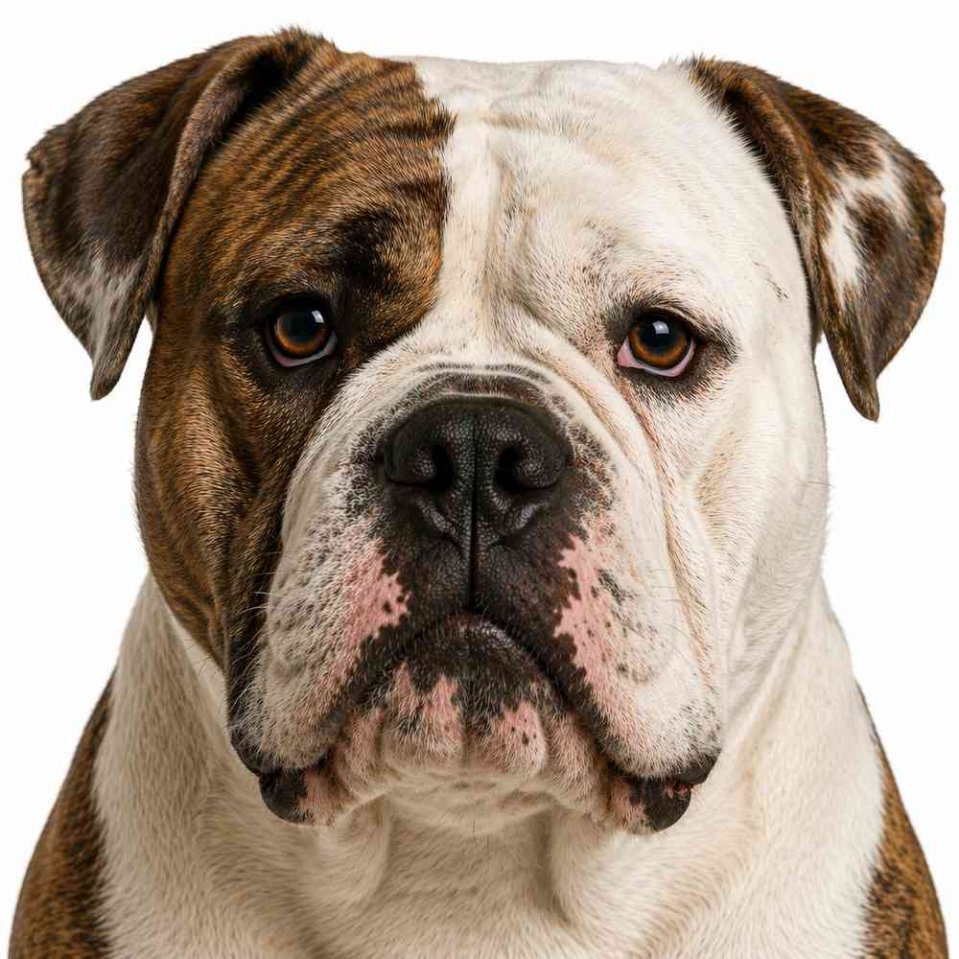
What is the idea behind Olde English Bulldogge?
Olde English Bulldogge is often presented as an attempt to bring back old bulldog strength and presence without leaning so hard into exaggeration that ordinary life becomes a struggle. The attraction is not just mass. It is usable mass.
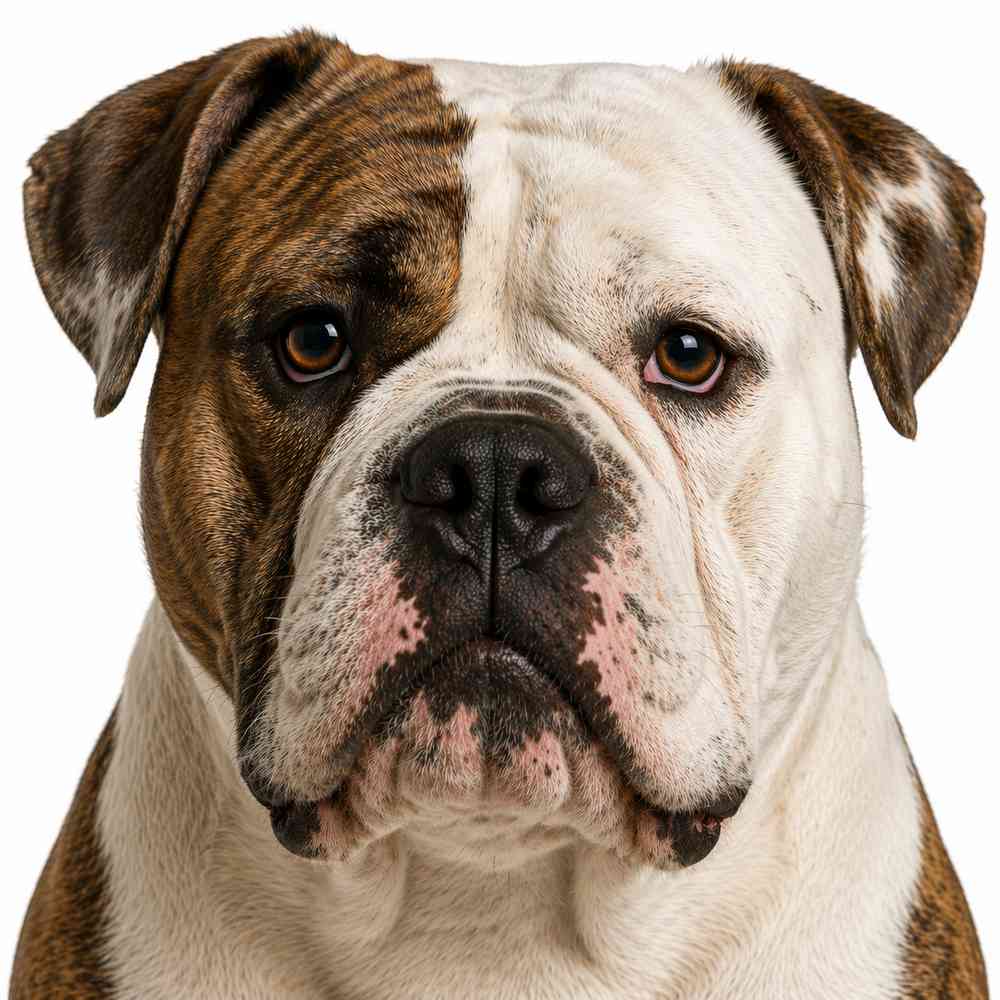 That is why the type interests so many people. They want bone, chest, power, and bulldog attitude—but with more movement, more breathing room, and fewer built-in compromises. The Beefy Bang Bang Classic Collar suits that profile naturally because its extra-wide hold spreads pressure well and gives strong dogs a more grounded, controlled feel on the lead. On a substantial bulldog-type body, a collar that feels too slight immediately looks like it lost the argument.
Olde English Bulldogge makes sense when the dog still appears capable in ordinary physical life, not just impressive in a static pose. That distinction is the whole game. Otherwise, “old strength” risks sliding back into modern excess by another route.
Why is Shorty Bull more serious than its size suggests?
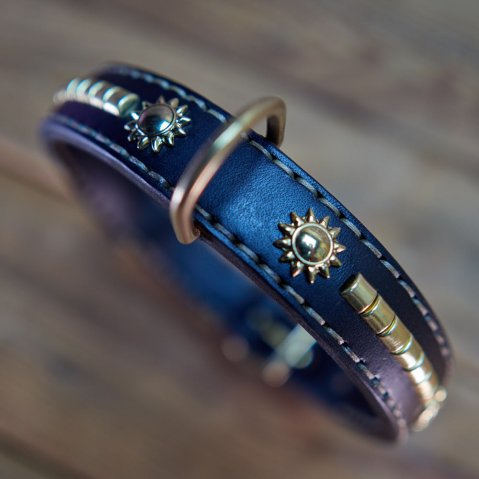
Shorty Bull is small, bold, and packed with attitude. It can look almost cartoonish at first glance, but that is exactly where people underestimate it.
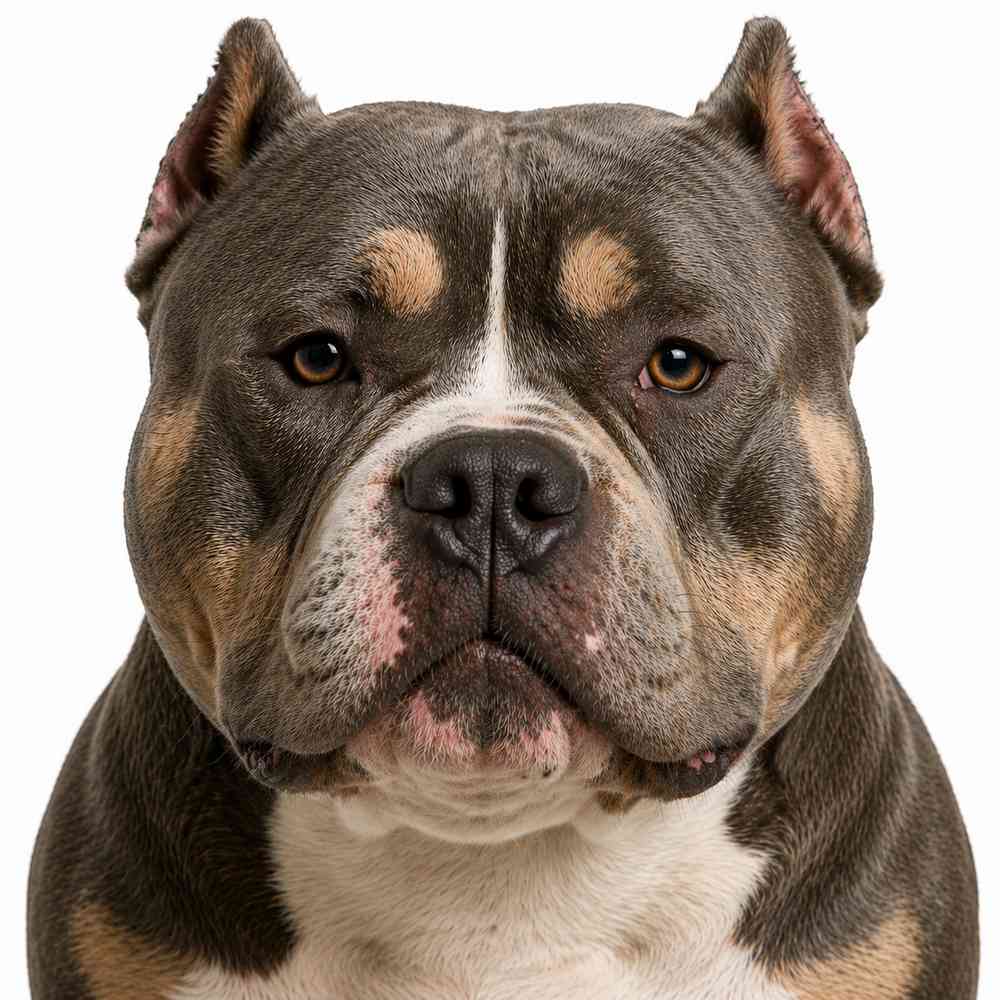 This is not a vague novelty dog. A Shorty Bull can be solid, determined, and full of presence well beyond its height. That is why the Devon Classic Collar works nicely here. It is a clean everyday leather collar that keeps its shape, stays easy to handle, and fits both movement and calmer daily use without turning the dog into a decorative project.
Shorty Bull has that “small but not remotely apologetic” energy. If the gear goes too cute, too dainty, or too toy-like, the dog outgrows it instantly. The size may be compact. The attitude definitely is not.
Common mistakes
- Grouping all modern bully dogs together: similar visual language does not mean the same body function or daily practicality.
- Falling for bulk alone: thickness and width do not automatically equal better balance or better usability.
- Ignoring movement: some dogs look striking in a still photo and far less convincing once they are asked to move normally.
- Choosing collars for image only: strong necks and front-heavy dogs need stable construction and sensible pressure spread.
Expert view
Modern bully breeds are one of the most revealing categories for anyone interested in the fight between image and function. Some types hold that line surprisingly well. Others make the tension impossible to ignore. From an equipment angle, these dogs punish weak design quickly. Soft collars lose shape. Narrow ones can feel wrong. Underbuilt hardware shows nerves. This is one of those dog groups where honest build quality stops being optional very fast.
Who is this useful for?
- For owners comparing modern bully breeds beyond surface bulk and social media impressions.
- For readers continuing from the classic bull breeds into the newer branch of the map.
- For people choosing collars for broad-necked, front-heavy, strong dogs.
- For anyone interested in where visual exaggeration starts competing with everyday function.
Final summary
American Bully, Exotic Bully, Olde English Bulldogge, and Shorty Bull all belong in the modern bull & bully conversation, but each one carries a different practical story. One leans into muscle, one into visual extremity, one into a more functional bulldog revival, and one into compact cheek with real substance. Once you look past width and start reading structure, movement, breathing, and lead behaviour, the differences become very clear. Modern style may catch the eye. Real function is what decides whether the dog still makes sense beyond the photo.
Frequently asked questions
Are Pocket, Standard, Classic, and XL American Bullies all the same in practice?
No. They can differ clearly in balance, frame, and the way they present in real life.
Why do people argue so much about Exotic Bully?
Because the more extreme appearance becomes, the more people question whether function is keeping up.
Is Olde English Bulldogge meant to be a more usable bulldog type?
Yes. That is one of the central ideas behind its appeal.
Is Shorty Bull only about looks and novelty?
No. It is compact, but often full of presence, determination, and surprisingly solid body feel.
Do these modern bully breeds often need stronger everyday collars?
Yes. Heavy necks, strong fronts, and real lead pressure make construction quality especially important.
Real Dogs